What Are The Benefits Of Art Therapy 10 Benefits You Should Know

What Are The Benefits Of Art Therapy? 10 Benefits You Should Know

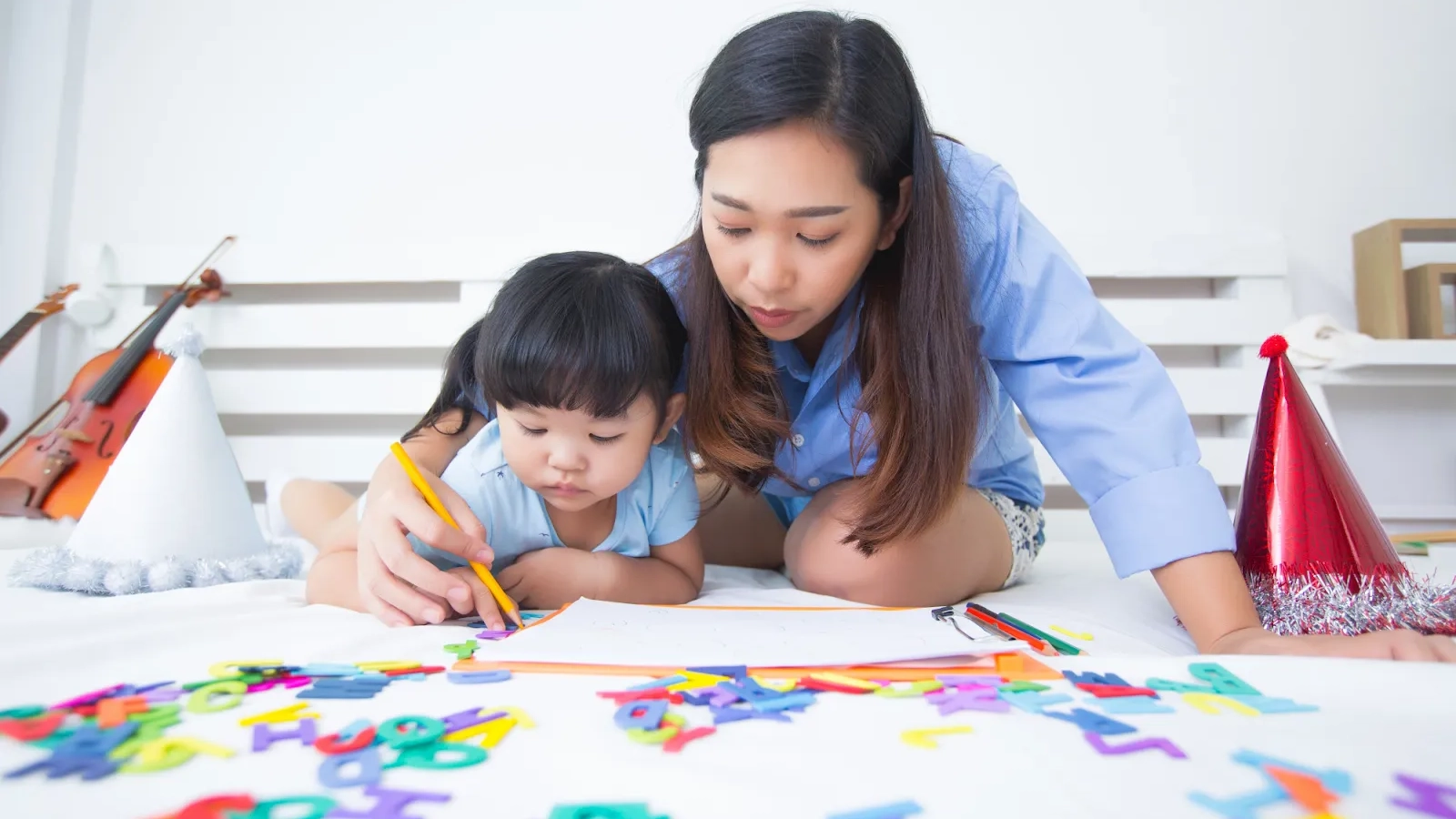
Art therapy is a recognised practice led by trained professionals, but many of the benefits of art therapy can also be experienced through simple creative activities at home or in guided art classes. While our studio does not offer clinical art therapy, we believe that art can be deeply therapeutic. 

For children and adult beginners, activities such as painting or drawing can support emotional expression, build confidence, and encourage mindfulness. 

Understanding the importance of art therapy helps parents and new artists appreciate how creative art nurtures well-being and provides a gentle space to explore feelings and ideas.

10 Advantages Of Art Therapy To Support For Kids And Beginner Adults
10 Advantages Of Art Therapy To Support For Kids And Beginner Adults

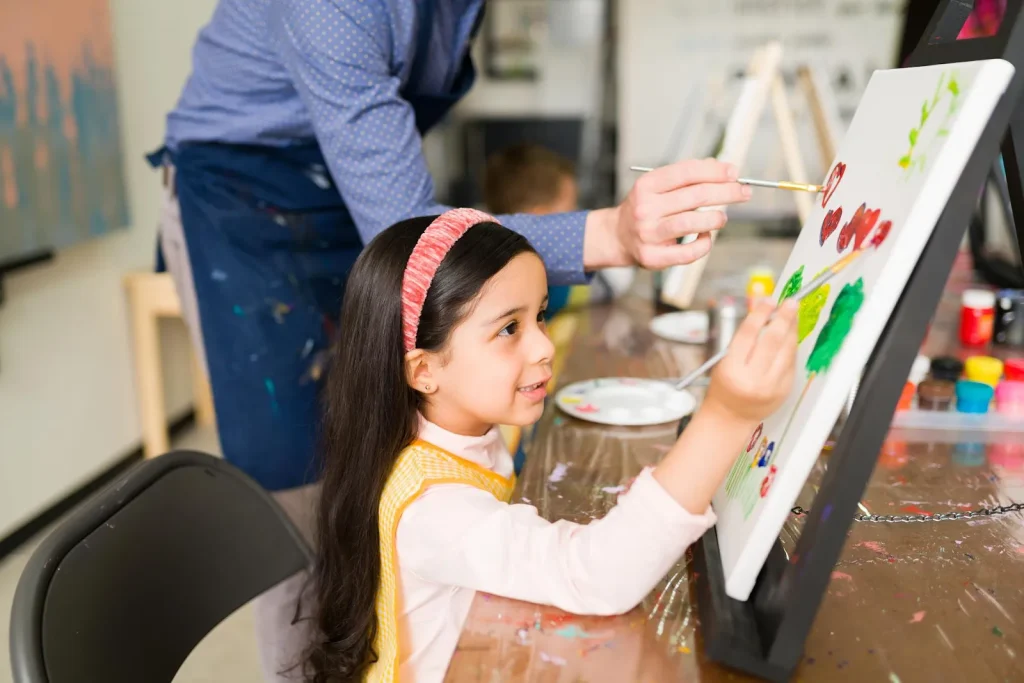
Creative art has long been recognised for its gentle, therapeutic qualities. While clinical art therapy is carried out by trained professionals, many of the same principles, such as emotional expression, mindfulness, and personal exploration, can be experienced through everyday art-making. 

For children and adult beginners, engaging with paint, colour, or simple drawing tools offers a meaningful way to support emotional, cognitive, and personal development. 

Below are ten commonly discussed benefits of art therapy, reframed through the lens of creative art and how it can nurture well-being in non-clinical settings.

1. Provides A Safe Way To Express Emotions & Inner Thoughts

Creative art offers a gentle and inviting space for children and adults to share what they feel, even when finding the right words is difficult. Young children, in particular, often struggle to articulate emotions such as frustration, excitement, sadness, or confusion. 

Through drawing, colouring, or painting, they can express these feelings symbolically, using shapes, colours, and imagery to communicate their inner world in a way that feels natural and safe.

For adult beginners, creative art provides a similar release. Many adults carry emotions that remain unspoken due to stress, responsibility, or lack of time for self-reflection. 

Engaging in art-making can help bring clarity to these feelings in a comforting, non-judgemental environment. Instead of being asked to explain or justify what they feel, individuals can simply create, allowing their artwork to reflect their emotions at their own pace.

2. Supports Emotional Regulation And Reduces Stress
2. Supports Emotional Regulation And Reduces Stress

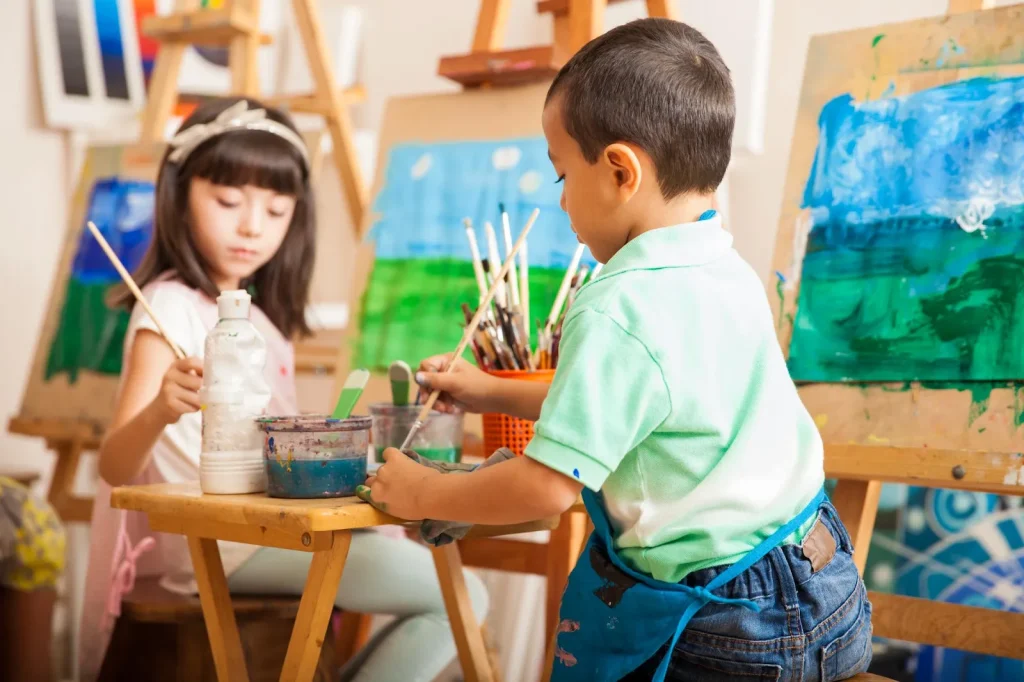
Art-making naturally encourages a calmer, more mindful state, something that benefits both children and adults in today’s fast-paced world. 

The simple act of focusing on brush strokes, selecting colours, or exploring textures invites the mind to slow down. This shift in attention helps reduce overwhelm, making space for deeper breathing and a more relaxed mood.

For children aged 4–12, creative activities can provide an essential break from overstimulation, school pressures, or emotional frustrations. 

When they become absorbed in the creative process, their bodies often relax, their breathing settles, and their thoughts become more focused. This helps them return to daily routines with greater balance and emotional steadiness.

Adult beginners also find that art-making serves as a soothing pause, a chance to disconnect from stress, technology, and the demands of everyday life. 

The rhythmic motion of painting or the gentle repetition of sketching can create a meditative effect, easing tension and promoting a sense of calm. Many people describe feeling more grounded, centred, and refreshed after a creative session.

3. Builds Self-Esteem, Self-Awareness, And Confidence

Creative art offers a powerful way for children and adult beginners to build healthy self-esteem. For many young learners, completing an artwork gives them a tangible sense of achievement. 

Seeing their ideas come to life on paper or canvas reinforces the belief that their thoughts and imagination matter. This validation is especially meaningful for children aged 4–12, who are still forming their sense of identity and discovering what they are capable of.

Exploring personal ideas through colour, shapes, and imagery also nurtures self-awareness. As children experiment with different materials or themes, they learn more about their interests, preferences, and natural strengths. 

Adult beginners experience similar benefits, creative art often becomes a mirror that reveals emotions, styles, and personal stories that may have gone unnoticed. 

Over time, noticing improvement in their skills or observing bolder creative choices helps individuals develop confidence not only in their art but in themselves.

4. Improves Communication & Social Skills, Especially In Kids
4. Improves Communication & Social Skills, Especially In Kids

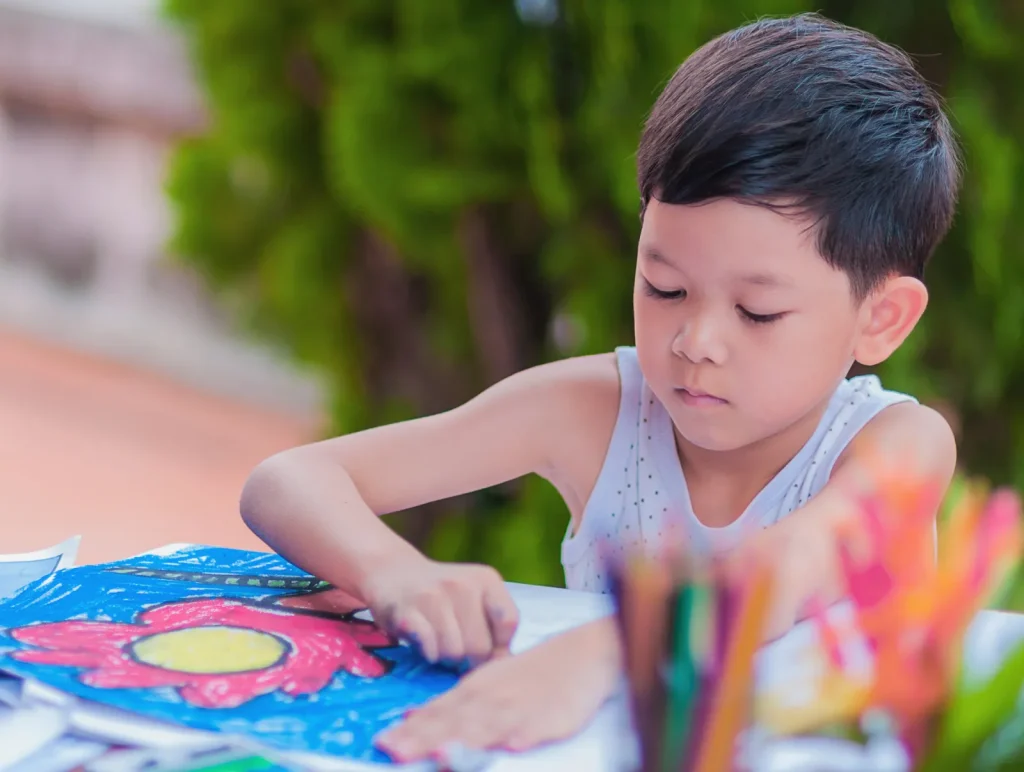
Art provides a meaningful way for children to express their thoughts and needs visually, especially when verbal communication feels challenging. 

A child may find it easier to draw how they feel rather than explain it with words, giving parents and caregivers valuable insight into their emotions. This visual expression helps children feel heard and understood, even in moments when language is not enough.

In group art settings, communication strengthens further. As children share materials, discuss ideas, or observe each other’s artwork, they naturally practise important social skills. 

They learn to take turns, collaborate, and appreciate different perspectives, all within a relaxed, creative environment. These interactions help build empathy and encourage children to listen, respond, and engage with others in a supportive way.

For adult beginners, group sessions also foster a sense of community. Creating alongside others often leads to meaningful conversations, shared inspiration, and gentle encouragement. 

These social exchanges build confidence and help individuals feel more comfortable expressing themselves both artistically and personally.

5. Stimulates Cognitive Development And Creativity

Creative art plays a meaningful role in supporting cognitive development for both children and adult beginners. When children draw, paint, or experiment with different art materials, they activate multiple areas of the brain responsible for problem-solving, decision-making, and imaginative thinking. 

Choosing colours, planning compositions, and deciding how to bring an idea to life help them practise critical thinking in a playful and engaging way.

These experiences also strengthen fine motor skills and hand–eye coordination, as children learn to control their tools with increasing precision. Over time, this combination of creative decision-making and physical coordination contributes to sharper cognitive functioning and improved confidence in their abilities.

For adult beginners, engaging with art can reignite curiosity and stimulate creative thinking that may have been overshadowed by daily responsibilities. 

Art-making encourages the mind to explore new possibilities, visualise ideas, and approach challenges from fresh perspectives. This mental flexibility supports cognitive health and nurtures creativity, offering a refreshing space for personal growth.

6. Helps Process Trauma, Grief, Or Complex Life Experiences
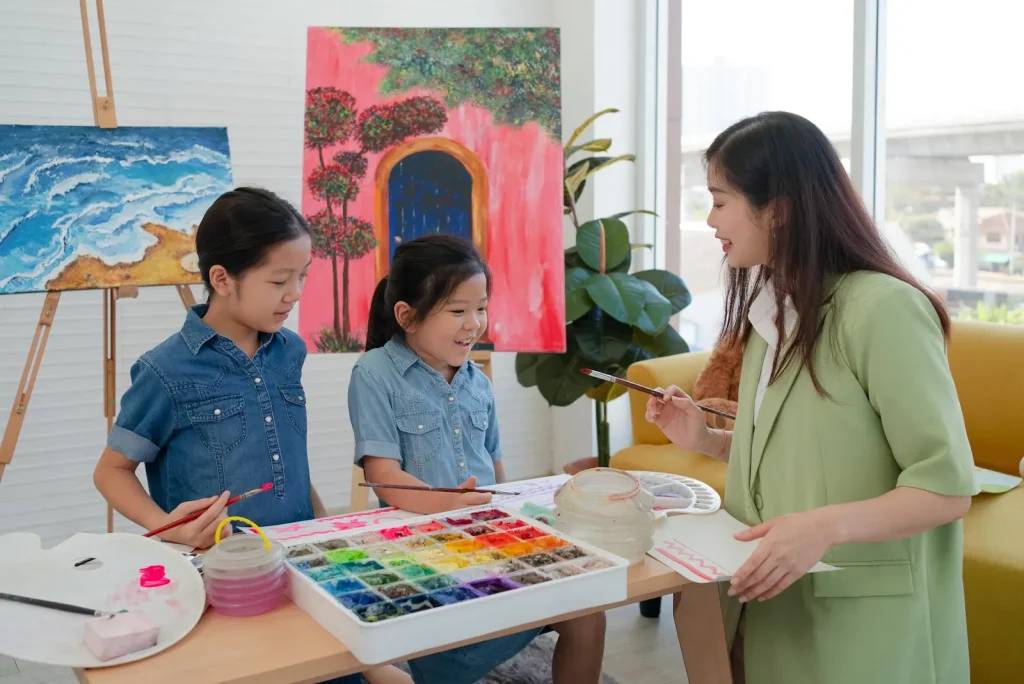
6. Helps Process Trauma, Grief, Or Complex Life Experiences

Art can serve as a gentle and reflective outlet for individuals navigating difficult emotions such as grief, loss, or challenging life events. 

For children, feelings can often feel overwhelming or confusing, and art provides a comforting way to express these emotions without the pressure of finding the right words. Through colours, shapes, or symbols, they can release what they feel in a way that feels safe and manageable.

Adult beginners may also find creative art helpful during emotionally heavy periods. Creating something with their hands can offer a moment of calm, allowing them to slow down, reflect, and process thoughts that may otherwise stay bottled up. 

The meditative nature of art-making helps individuals express their inner experiences at their own pace, offering clarity and emotional relief.

It is important to acknowledge that creative art is not a replacement for clinical therapy or professional mental health support. Instead, it acts as a complementary activity, a soothing and personal space where feelings can be explored gently.

7. Encourages Self-Discovery, Identity Development, And Personal Growth

Creative art offers children and adult beginners a meaningful pathway to explore who they are. As they experiment with colours, themes, and materials, they begin to uncover personal preferences, strengths, and unique ways of thinking. 

For children, this exploration plays an important role in identity development. At this age, they are forming opinions, recognising emotions, and discovering what excites or inspires them. Art helps them express these discoveries in ways that feel natural and enjoyable.

Through creative choices, such as selecting a subject, deciding how to portray a feeling, or choosing a particular style, individuals learn more about their inner world. This process fosters self-awareness and invites gentle introspection. 

For adult beginners, especially those returning to art after a long break, this journey can feel grounding and empowering. Art becomes a private space where they can reconnect with parts of themselves that may have been overlooked amid daily responsibilities.

8. Boosts Emotional Well-Being, Lower Anxiety, Depression, Improved Mood
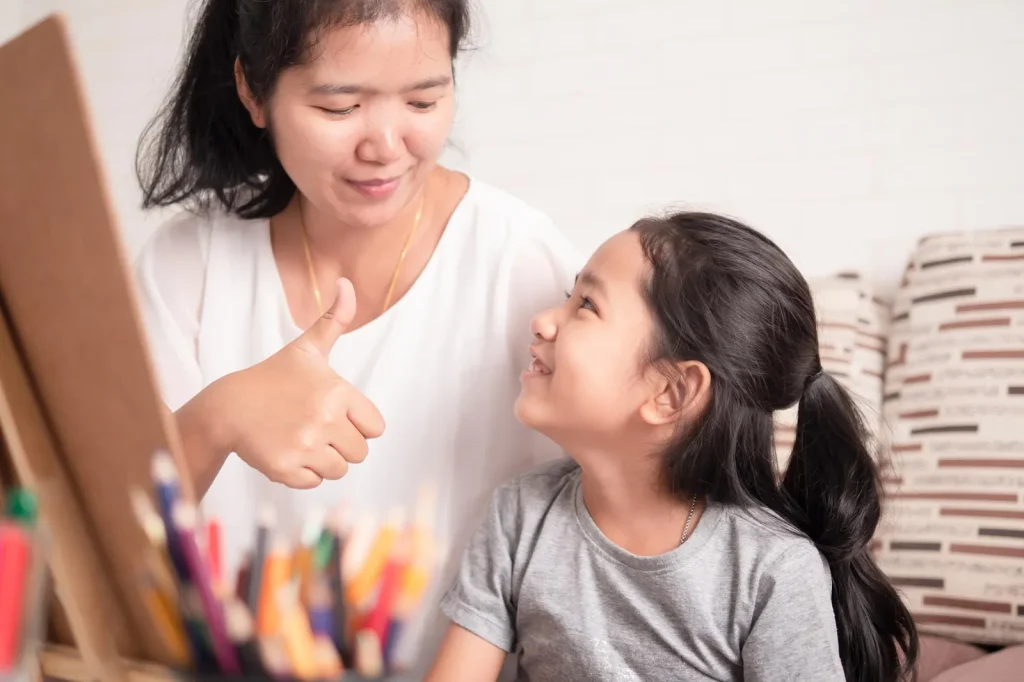
8. Boosts Emotional Well-Being — Lower Anxiety, Depression, Improved Mood

Creative art can play a comforting role in supporting emotional well-being for both children and adults. The simple act of painting or drawing often brings a sense of calm, offering individuals a break from overwhelming thoughts or stressful environments. 

For children, art provides a positive outlet where they can channel energy, excitement, or frustration into something colourful and expressive, which naturally helps stabilise mood.

Engaging in art-making also stimulates the release of positive feelings. Many people experience a sense of joy when playing with colour, exploring textures, or bringing an idea to life. 

This uplifting effect is particularly helpful for adult beginners, who may be juggling work, family, and personal pressures. Creating art allows them to shift their attention toward something soothing and enjoyable, offering a moment of mental rest.

9. Creates A Safe, Non-Judgmental Space, Good Even For Beginners

Creative art provides a welcoming environment where children and adults can explore freely without fear of making mistakes. In this space, there is no “right” or “wrong” way to create, only personal expression. This is especially encouraging for beginners who may feel unsure about their abilities. 

Instead of focusing on technical perfection, the emphasis is placed on exploration, enjoyment, and discovering one’s own creative style.

For children aged 4–12, this supportive atmosphere is invaluable. They can experiment with colours, shapes, and techniques at their own pace, building confidence as they see their ideas take form. 

Because there is no judgement or comparison, they feel comfortable trying new things and expressing themselves more openly.

Adult beginners benefit in much the same way. Many adults carry the belief that they are “not artistic,” which can hold them back from creative activities. A non-judgmental space allows them to relax, let go of self-doubt, and reconnect with the simple joy of creating. 

Over time, this freedom fosters a sense of empowerment, helping individuals embrace creativity as a natural and rewarding part of their lives.

10. Can Support Broader Well-Being: Social Connection, Resilience, Coping Skills
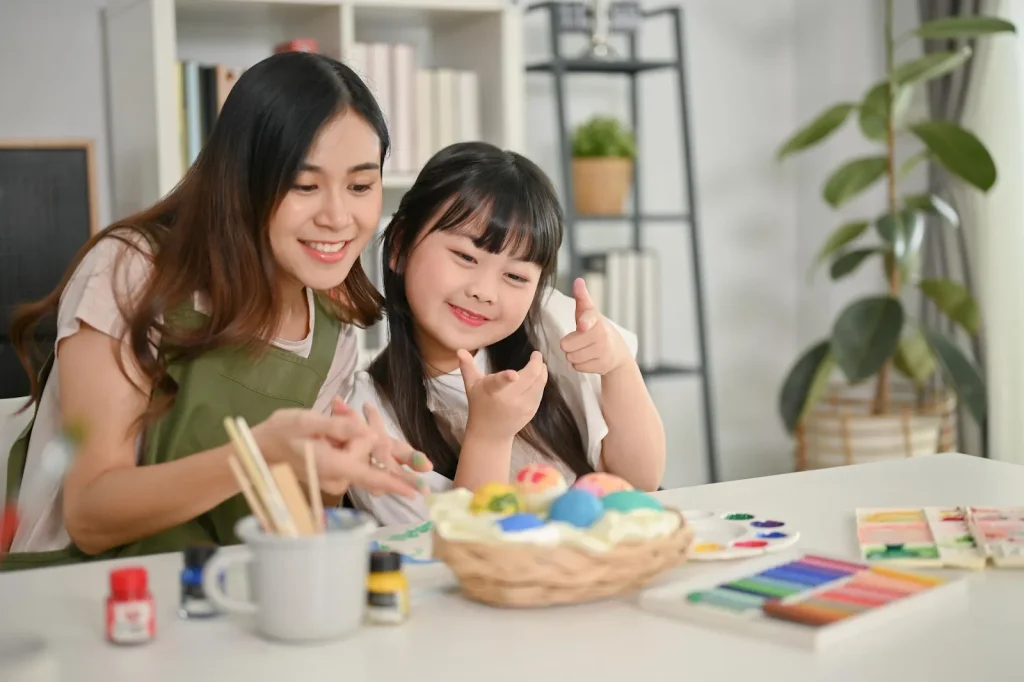
10. Can Support Broader Well-Being Social Connection, Resilience, Coping Skills

Engaging regularly in creative art can positively influence broader aspects of emotional and social well-being. Group art sessions, family art activities, or studio classes create opportunities for meaningful connection. 

Children learn to share materials, cooperate on ideas, and appreciate each other’s creativity, which strengthens their social confidence. These interactions help them develop empathy, communication skills, and a deeper understanding of teamwork.

For adult beginners, creative classes often become a place to unwind and meet others with similar interests. Sharing a creative space fosters a sense of belonging and community, reducing feelings of isolation and offering a supportive environment where individuals can grow together.

Art also nurtures resilience and healthy coping skills. The process of working through creative challenges, choosing colours, adjusting mistakes, or sticking with a project, mirrors real-life problem-solving. 

This helps both children and adults build patience, adaptability, and persistence. Additionally, art provides a healthy emotional outlet, giving individuals tools to manage stress and express complex feelings gently and constructively.

Why Art Therapy Is Important?
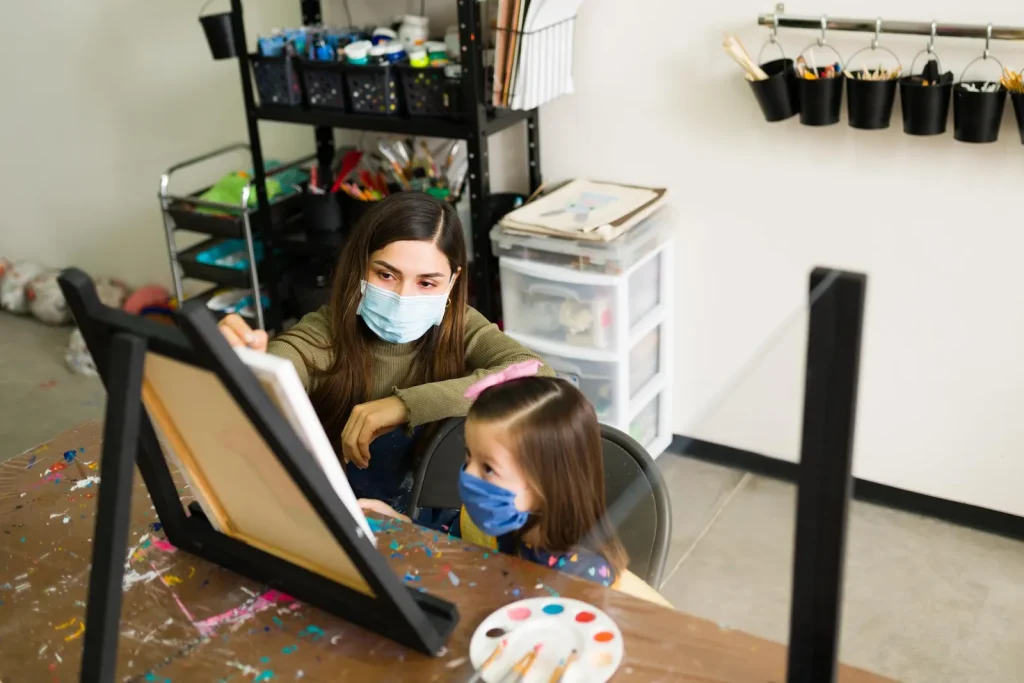
Why Art Therapy Is Important

Art therapy is recognised for its ability to support emotional expression, reflection, and personal understanding. Its core principles, using creativity to explore feelings, make sense of experiences, and express thoughts visually, are valuable for people of all ages. 

While clinical art therapy is practised by trained, certified professionals, many of the underlying benefits can also be experienced through everyday creative art-making. 

It Provides A Safe, Non-Verbal Outlet For Emotions And Self-Expression

Many individuals, especially young children, find it challenging to express their emotions using words alone. Feelings such as confusion, sadness, excitement, or anxiety can be difficult to articulate verbally. 

Creative art offers a comforting alternative, a safe, non-verbal channel through which emotions can be released and explored. A child might use bold colours to express excitement, softer tones to show calmness, or abstract shapes to communicate a feeling they cannot fully describe.

For adults, creative expression can be equally powerful. Life’s responsibilities often make it harder to pause and process emotions. 

Drawing, painting, or simple mark-making encourages individuals to step back, slow down, and let feelings emerge naturally through their artwork. This gentle form of emotional expression helps people feel seen, understood, and supported, without needing to explain every detail.

It Supports Mental-Health And Emotional Well-Being: Stress Relief, Regulation, Self-Awareness
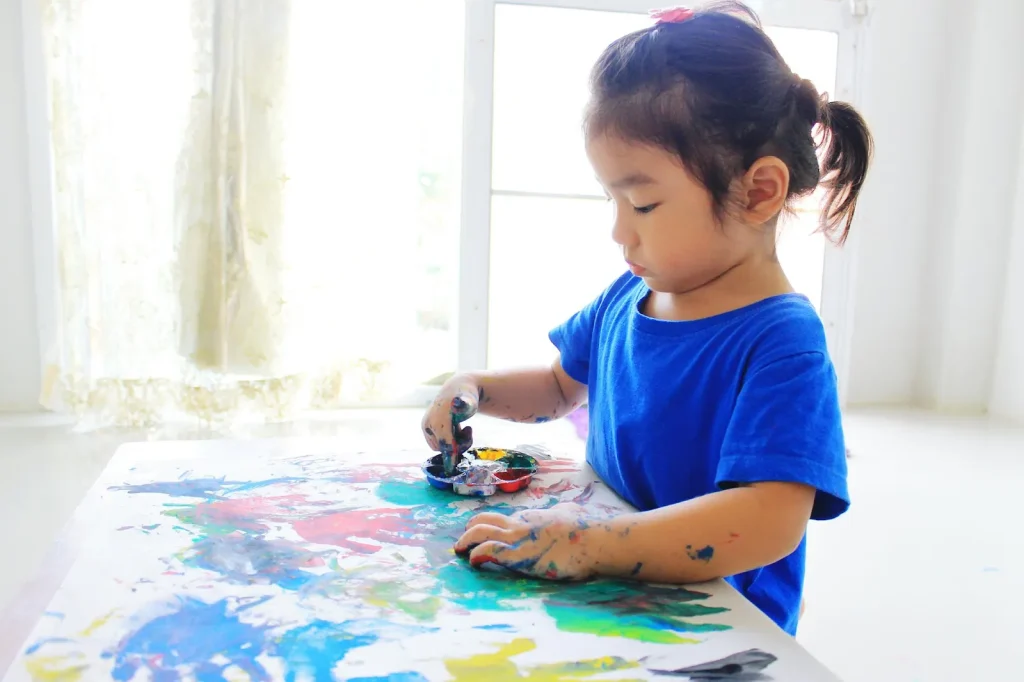
It Supports Mental-Health And Emotional Well-Being Stress Relief, Regulation, Self-Awareness

Art-making naturally encourages a sense of calm and mindfulness. The simple act of focusing on colours, textures, or brushstrokes shifts attention away from stressors and onto the present moment. 

For children, this can help regulate emotions and bring balance back into their day. They learn to slow down, breathe more steadily, and engage in a soothing activity that helps them regain control during emotionally overwhelming moments.

Adult beginners also benefit from this mindful focus. Creative art provides a peaceful pause from busy routines, work pressures, and digital noise. The rhythmic movements of painting or drawing can reduce mental tension, helping individuals feel lighter, more grounded, and emotionally refreshed.

Engaging in this reflective process also nurtures self-awareness. As people create, they often uncover patterns, what calms them, what excites them, or what themes they naturally gravitate towards. This deeper understanding supports emotional well-being and encourages a more mindful approach to everyday life.

It Promotes Personal Growth, Self-Discovery, And Resilience, Beyond “Just Art”

Creative art encourages people to explore who they are and how they see the world. Through experimenting with different ideas, materials, and styles, individuals gain insight into their interests, values, and emotional responses. 

This journey of self-discovery is especially meaningful for children, who are still forming their identities and learning what makes them unique. Artistic exploration helps them recognise their strengths, express their individuality, and feel proud of what they create.

For adult beginners, creative art often becomes a rediscovery, a chance to reconnect with parts of themselves that may have been set aside due to responsibilities or self-doubt. 

Creating something from scratch fosters resilience, teaching people to embrace mistakes, adapt to challenges, and persevere through the creative process. These lessons naturally transfer into everyday life, supporting personal growth and emotional strength.

Conclusion About The Importance Of Art Therapy

Understanding the benefits of art therapy and the wider importance of art therapy helps us see how creative activities can gently support emotional expression, confidence, and personal growth, even outside clinical settings. 

At Art Pazionate, we create a nurturing environment where individuals of all ages can grow their artistic potential. Instead of copying templates, our students are encouraged to think creatively, express freely, and infuse their own ideas into their artworks.

While we do not offer clinical art therapy, we believe that art can be deeply therapeutic. For children and adult beginners, engaging in painting, drawing, or mixed-media activities provides a calming space to explore feelings, build resilience, and discover their creative voice.

Explore our thoughtfully curated programmes, from weekly kids, teens, and adults art classes to holiday workshops, mindfulness art sessions, and corporate art events, all designed to celebrate your unique artistic journey.

Contact Art Pazionate via WhatsApp or our contact form to get started, and enjoy a free trial class when you sign up for an 8- or 16-lesson package on the same day.

Frequently Asked Questions About The Importance Of Art Therapy

Does Creative Art Offer Similar Benefits Of Art Therapy At Home?

Yes. Simple activities like drawing or painting at home can offer some benefits of art therapy, such as emotional expression and relaxation, even outside formal therapy.

Are The Benefits Of Art Therapy Useful For Children Who Struggle With Concentration?

Yes. Many children find creative activities engaging and calming, which may naturally support focus and attention through hands-on exploration.

Can Adult Beginners Experience Personal Growth Through Creative Art Classes?

Absolutely. Many adults discover new interests, improved confidence, and emotional clarity through consistent creative practice.

When Do The Benefits Of Art Therapy Usually Become Noticeable In Beginners?

This varies, but many children and adults begin to experience positive changes, such as relaxation or increased confidence, after only a few creative sessions.

Do Creative Art Activities Help Children Build Independence?

They can. As children make choices, experiment with materials, and complete artworks, they naturally develop independence and self-trust.

Should Parents Encourage Creative Art If Their Child Is Shy Or Hesitant?

Yes. Creative art can provide a gentle, pressure-free environment where shy children feel safer expressing themselves.
25 Must Have Art Supplies For Kid And Adult Beginners

25 Must Have Art Supplies For Kid And Adult Beginners

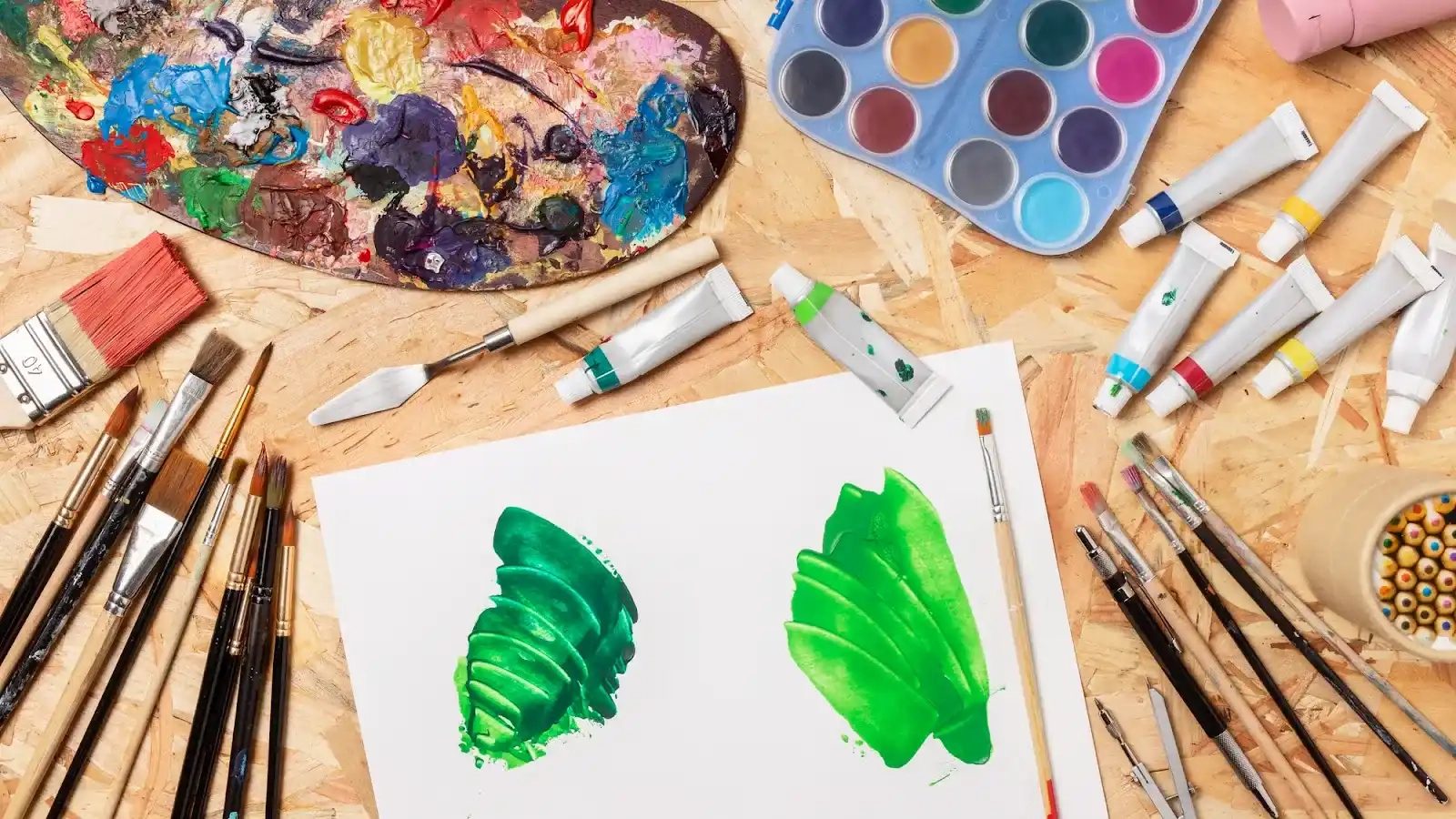
Choosing the right must have art supplies can make a world of difference for both young artists and adult beginners. With reliable, safe, and versatile tools, kids and new creatives can explore their imagination, build confidence, and develop strong foundational skills. 

This guide highlights the essential art supplies that work beautifully across ages, making it easier for parents and beginners to set up an inviting, beginner-friendly art space at home or in a class setting. 

If you’re encouraging a child’s curiosity or starting your own creative journey, these materials will help you get inspired and start creating.

1. Sketchbook / Mixed-Media Sketchbook

1. Sketchbook Mixed-Media Sketchbook

A sketchbook is one of the most important must have art supplies for young artists and beginners because it creates a safe, personal space to explore ideas freely. 

Kids aged 4–12 benefit immensely from having a dedicated place to doodle, practise shapes, and develop hand–eye coordination, while adult beginners use sketchbooks to build confidence, warm up before larger artworks, and record creative thoughts. A sketchbook becomes a visual diary, something artists can revisit to see how much they’ve grown.

Regular sketchbooks usually contain lightweight paper suitable for pencils, crayons and simple markers, making them ideal for early drawing exercises. They are budget-friendly and perfect for daily practice. 

Mixed-media sketchbooks, on the other hand, contain thicker, sturdier pages designed to handle a wider range of materials such as watercolours, ink pens and soft pastels. The extra durability means the paper won’t buckle easily, allowing students to experiment with different techniques without frustration.

2. Graphite Drawing Pencils (Various Grades)

Graphite drawing pencils come in a range of hardness grades, each serving a different artistic purpose. For beginners, understanding these grades opens up opportunities to explore depth, shading and line variation. 

The standard HB pencil sits in the middle of the hardness spectrum and is excellent for everyday sketching. Softer pencils such as 2B, 4B or 6B produce darker, richer tones ideal for shading, while harder pencils like 2H or 4H create fine, precise lines without smudging.

Using multiple pencil grades allows artists to create contrast, texture and dimension even in simple drawings. Kids quickly learn how softer pencils glide smoothly and feel more expressive, while harder pencils help them achieve neater outlines. 

Adult beginners appreciate how this small set of tools can dramatically elevate their sketches, making their artwork look more refined and intentional.

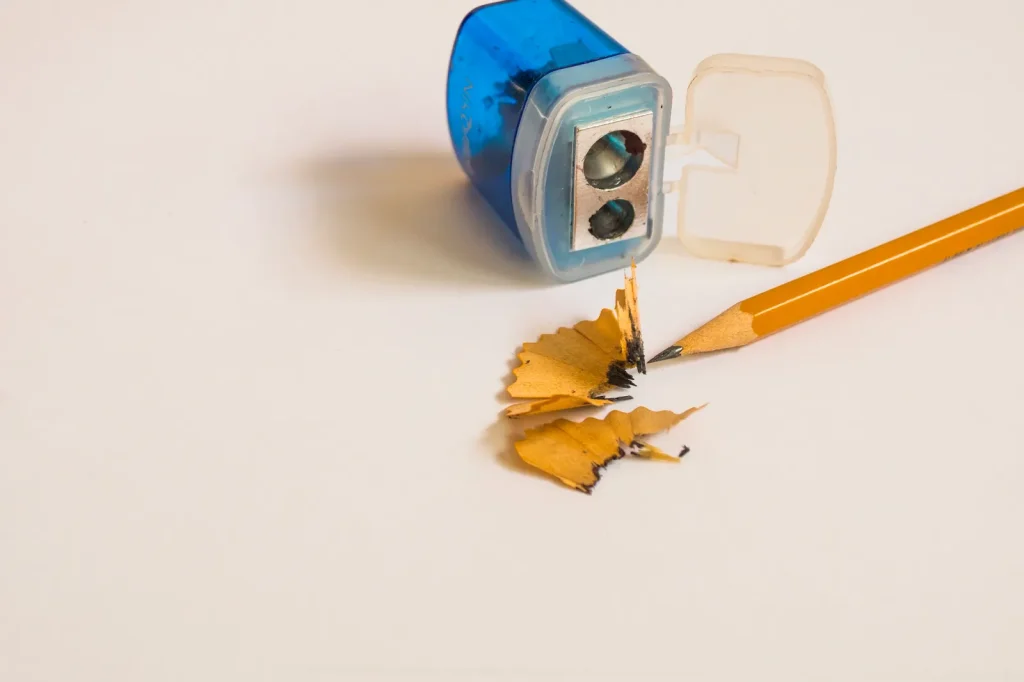
3. Pencil Sharpener

3. Pencil Sharpener

A good pencil sharpener is an essential companion to any drawing tool kit. It keeps pencils at the right point for precise lines, smoother shading and cleaner sketches. 

A poorly sharpened pencil often leads to inconsistent marks, frequent breakage and unnecessary frustration, especially for younger artists still developing fine motor skills. Having a reliable sharpener ensures that drawing sessions remain enjoyable and uninterrupted.

For kids aged 4–12, a child-safe sharpener with a covered compartment is ideal. It prevents mess and helps keep small hands safe from exposed blades. Adult beginners may prefer manual sharpeners for greater control or battery-operated ones for convenience and consistent sharpening results. 

Each type has its benefits: manual sharpeners are portable and affordable, while battery-operated versions create smooth points effortlessly.

Properly sharpened pencils glide more easily across the page, making the drawing experience more enjoyable and helping students focus on creativity rather than struggling with blunt tools. 

4. Eraser (Regular + Kneaded, Optional)

An eraser may seem like a simple tool, but choosing the right type can make a noticeable difference for both kids and adult beginners. Standard erasers are firm and effective for removing everyday pencil marks, making them ideal for schoolwork, early sketches and quick corrections. 

They come in various forms, vinyl, plastic or rubber, each designed to erase cleanly without leaving heavy smudges.

Kneaded erasers, on the other hand, are soft, pliable and can be shaped by hand. They lift graphite gently from the page rather than rubbing it off, which prevents paper fibres from tearing. 

This makes them especially useful for shading adjustments, lightening areas or refining delicate details in drawings. Because they don’t crumble like regular erasers, kneaded versions last longer and produce no debris, contributing to a tidier workspace.

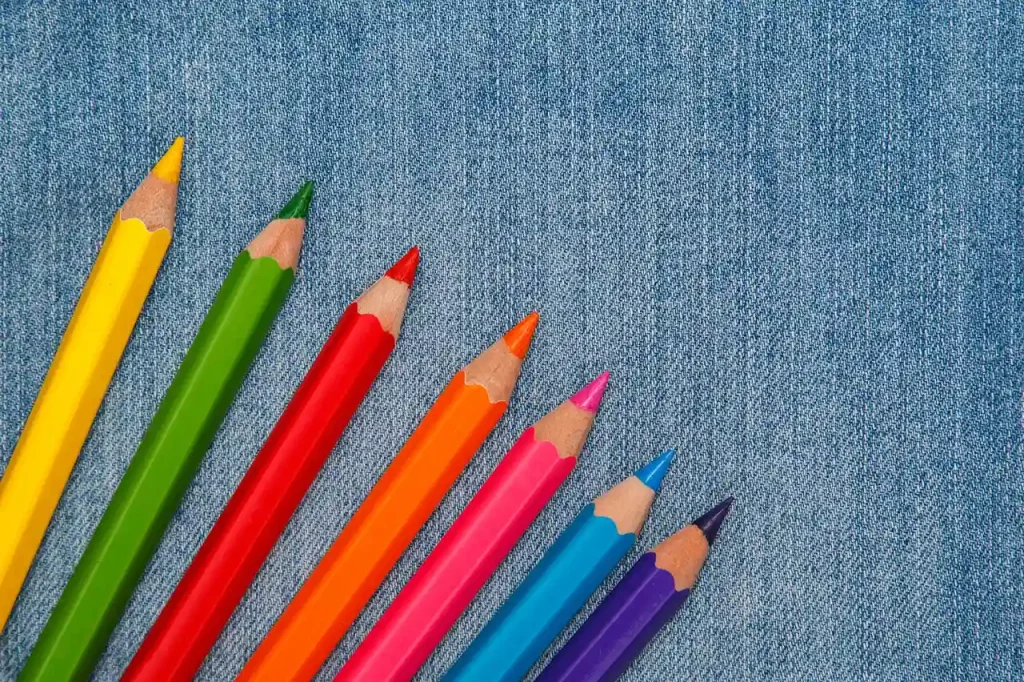
5. Coloured Pencils

5. Coloured Pencils

Coloured pencils are one of the most approachable essential art supplies for kids and adults alike. They offer a simple and enjoyable way to explore colour blending, layering and detailing without the mess of paint or water-based mediums. 

Children benefit from the control coloured pencils provide, as they help strengthen fine motor skills and hand coordination. Adult beginners appreciate the sense of calm and focus that comes with slowly building up colour on the page.

Student-grade coloured pencils are typically designed for younger artists. They are more affordable, slightly firmer and easier to control, making them perfect for everyday colouring activities and school projects. 

Artist-grade coloured pencils, in contrast, contain richer pigments and softer leads that allow for smooth blending, deep shading and more sophisticated colour transitions. 

Adult learners or older children who are ready to explore more refined techniques may enjoy the expressive possibilities offered by higher-quality pencils.

6. Crayons Or Oil Pastels

Crayons and oil pastels both serve as excellent beginner tools, but they offer slightly different experiences depending on the artist’s age and goals. Crayons are a staple for young children because they are sturdy, easy to grip and work beautifully for bold, colourful drawings. 

Their firm texture helps kids develop control while still enjoying bright, expressive marks. They are also low-mess, making them ideal for parents who want a manageable art activity at home.

Oil pastels, in contrast, have a much softer and creamier texture. They produce vivid colours that blend smoothly, allowing older kids and adult beginners to explore more expressive techniques such as smudging, layering and creating texture. 

Their richness encourages experimentation with shading and bold contrasts, making them a great next step after crayons.

Both crayons and oil pastels offer tactile, sensory experiences that spark creativity and imagination. Their softness, vibrant colours and ease of use make them particularly appealing to beginners who want immediate, satisfying results. 

Each medium inspires free expression, giving artists a chance to play with colour and form without needing specialised tools or advanced skills.

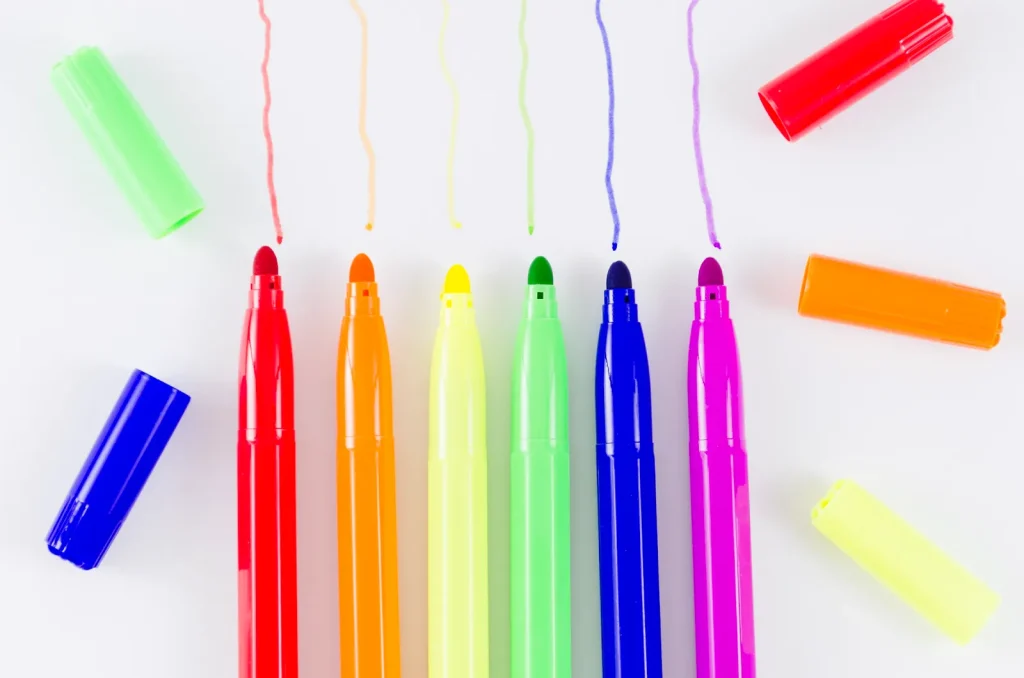
7. Washable Markers

7. Washable Markers

Washable markers are a favourite among parents because they offer vibrant colour without the worry of difficult clean-up. 

Their water-based formulas allow marks on hands, furniture or clothing to be rinsed or wiped away easily, making art sessions far more enjoyable for kids. For adults who are beginning their creative journey, washable markers offer a low-pressure, mess-free introduction to colour exploration.

These markers produce bold, striking lines that help young artists express their ideas with confidence. They glide smoothly across paper, making them ideal for posters, illustrations, journalling and mixed-media projects. 

Kids enjoy the instant, bright results, while beginners appreciate how markers remove the complexity of mixing paints or adjusting pressure in the early stages of learning.

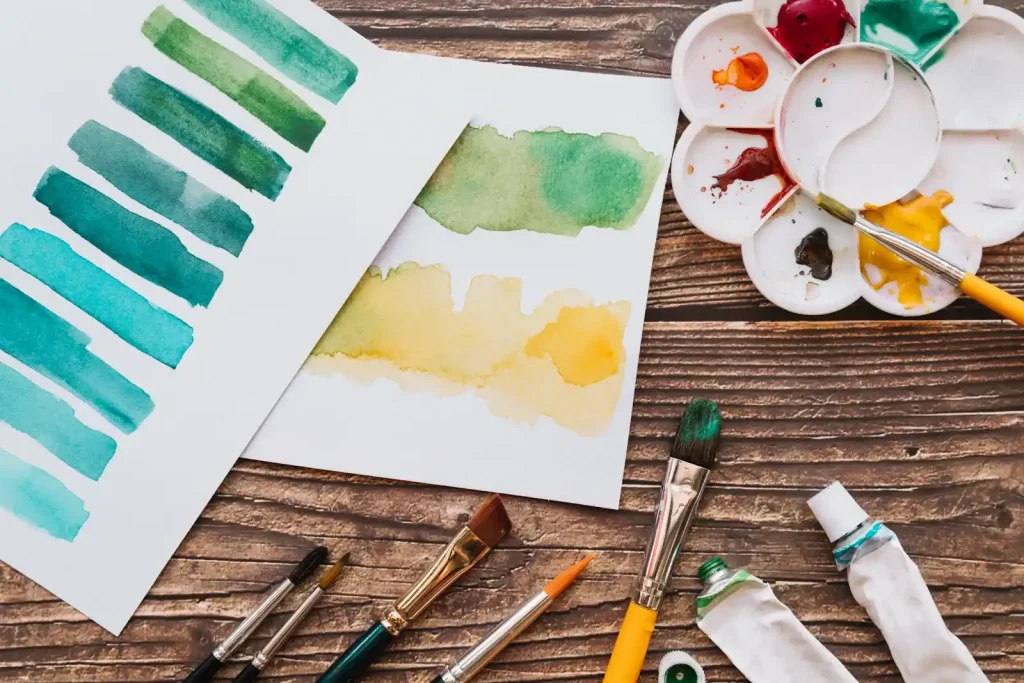
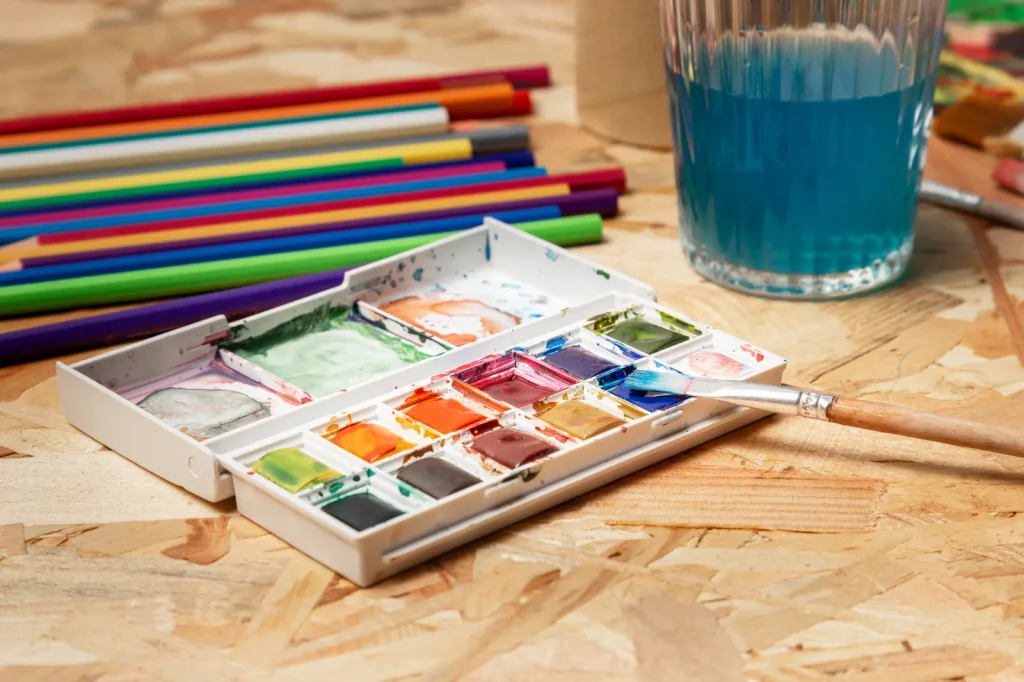
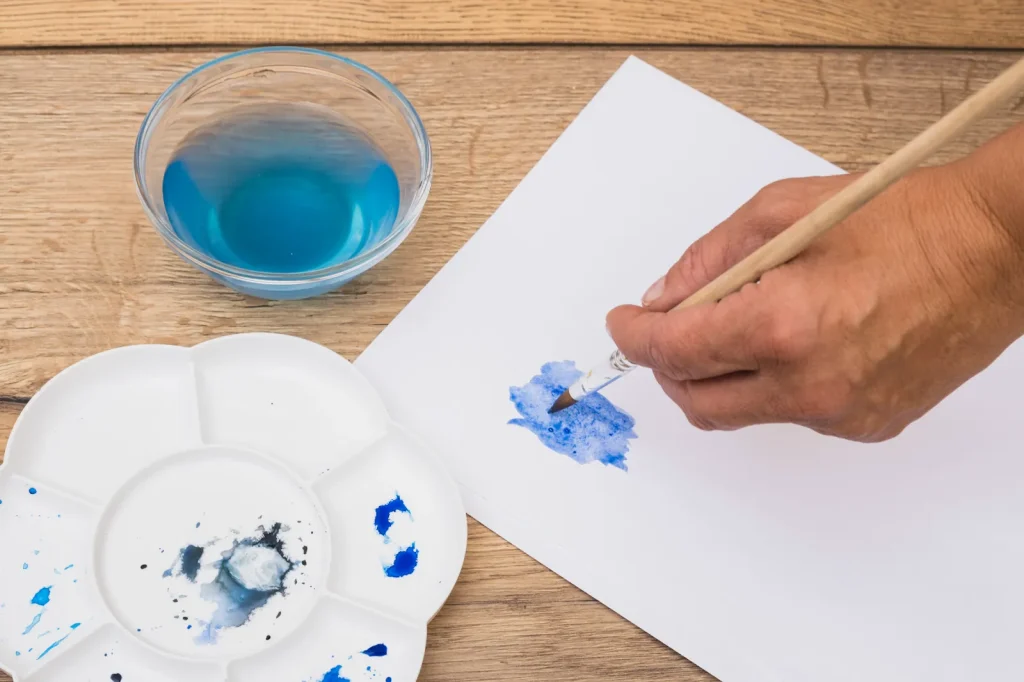
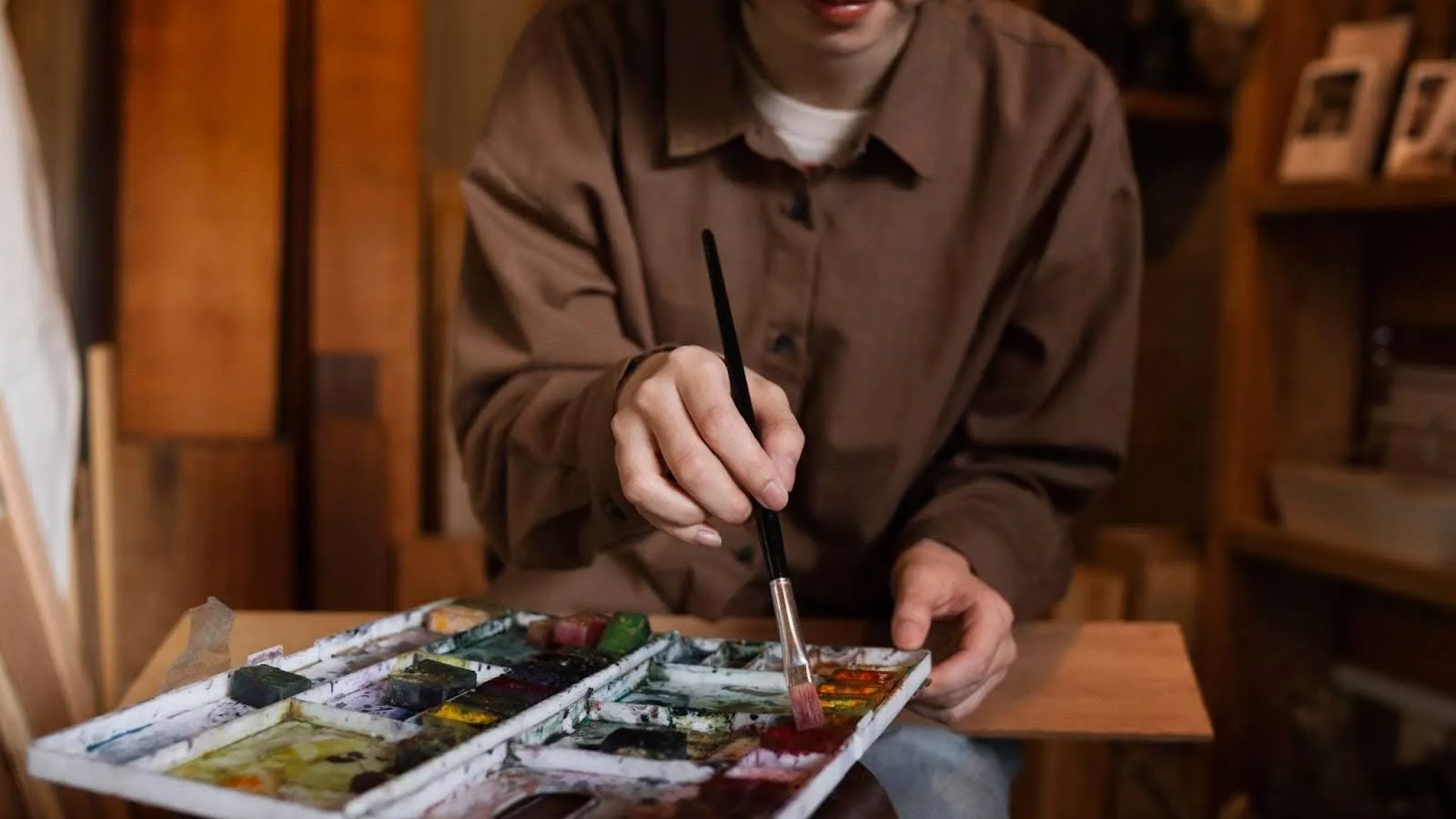
8. Watercolour Paint Set

Watercolour paint sets are among the most beginner-friendly painting mediums, thanks to their gentle flow, easy clean-up and forgiving nature. 

Kids and adult beginners can enjoy experimenting with colour without the heaviness of thicker paints. Watercolours also encourage exploration of blending, transparency and layering, skills that build confidence and artistic curiosity.

Pan sets are a popular option for young artists because they are compact, user-friendly and less messy. The colours are activated with water, making them ideal for quick painting sessions at home or in class. 

Watercolour tubes offer richer pigments and greater flexibility for mixing, which older children and adult beginners may enjoy once they become more comfortable. 

There are also specially designed kid-safe kits that include washable formulas and child-friendly palettes to ensure an accessible, positive painting experience.

9. Watercolour Paper

9. Watercolour Paper

Using the right watercolour paper is essential for achieving smooth, vibrant results in any water-based painting. Watercolour paper is specially designed to absorb moisture without buckling or tearing, giving kids and adult beginners a sturdier surface to work on. 

Regular paper absorbs water unevenly, often leading to wrinkling, dull colours and frustration, something that can discourage beginners from enjoying the painting process.

Watercolour paper varies in thickness, often measured in GSM (grams per square metre). Thicker paper, such as 300 GSM, is more durable and can handle multiple layers of paint. 

Texture also plays a role: cold-press paper has a slightly textured surface that works well for general painting, while hot-press paper is smoother and ideal for detailed illustrations. Understanding these choices helps artists select the paper that matches their preferred style and skill level.

10. Washable Tempera Or Child-Safe Paints

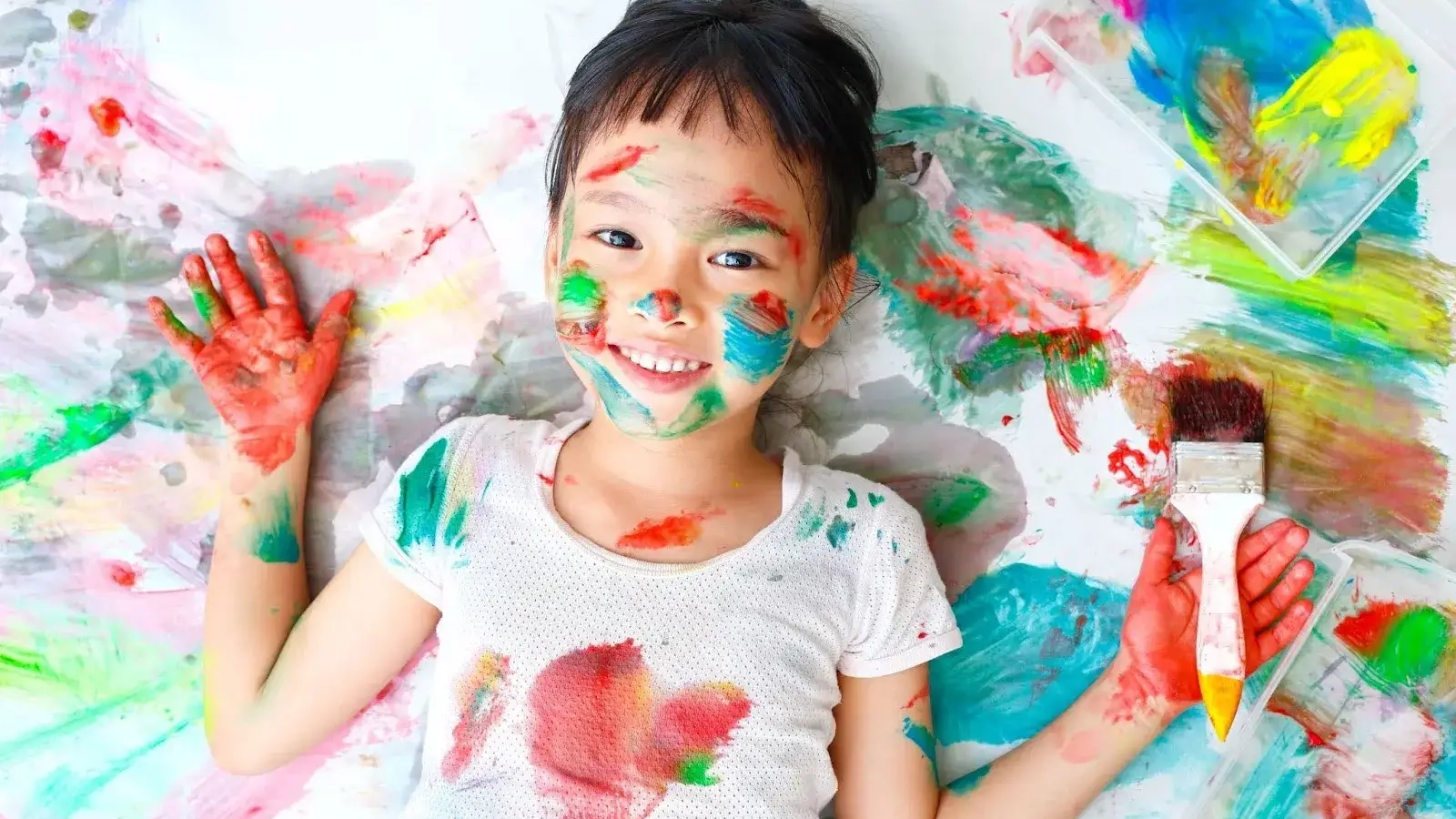
Washable tempera paint is a wonderful choice for young children because it delivers bright, cheerful colours without the stress of stubborn stains. Its smooth, creamy texture makes it easy for little hands to spread across paper, creating bold and expressive artwork. 

Parents appreciate that tempera paint is designed to wash off skin, tables and clothing with minimal effort, turning painting sessions into a fun activity rather than a messy ordeal.

Safety is a priority for families and educators, which is why many tempera paints are clearly labelled non-toxic and child-safe. These features ensure that kids can explore painting with confidence, while adults can supervise comfortably knowing that the materials meet safety standards. 

Tempera paint also works well on a variety of surfaces, paper, cardboard and lightweight craft projects, making it an adaptable medium for both home and classroom use.

For older children or adult beginners who want to try something a little more exciting, glow-in-the-dark acrylic paint can be introduced later as part of creative exploration. It adds a sense of magic to simple projects, offering luminous effects that make artwork stand out, especially during themed lessons or evening workshops. 

11. Paint Brushes

11. Paint Brushes

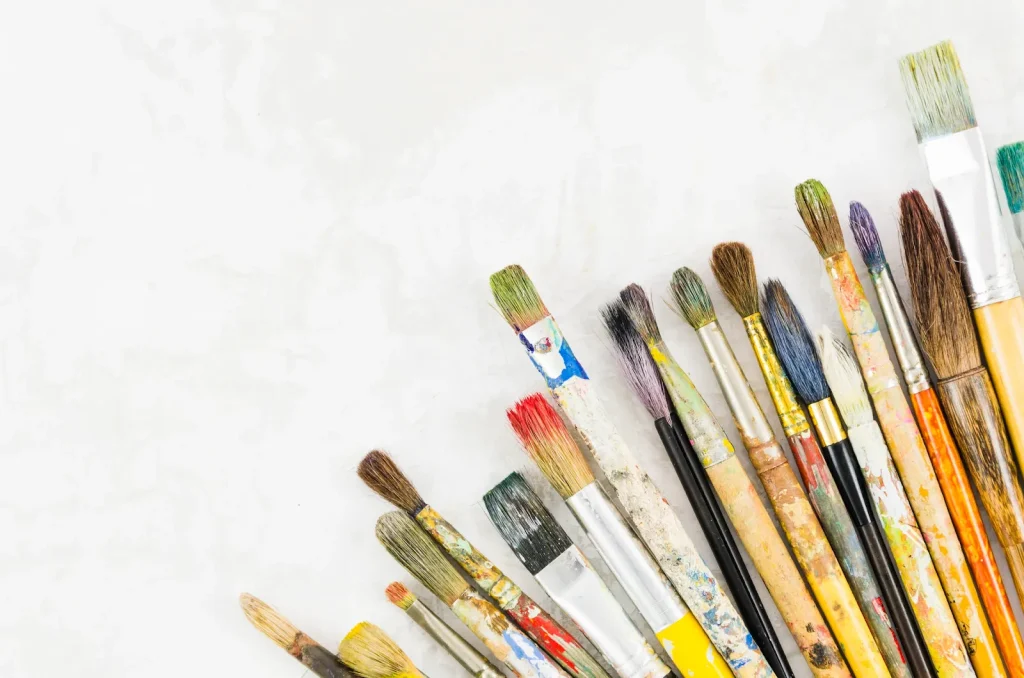
Paint brushes come in many shapes and sizes, each contributing to a different artistic effect. For beginners, having a small assortment of brush types makes painting more enjoyable and helps them discover how various strokes create depth, movement and texture. 

Round brushes, for example, are excellent for outlines and curved strokes, while flat brushes allow for smooth washes and bold, straight edges. Filbert brushes blend the benefits of both, offering curved edges that are perfect for soft shading.

Synthetic brushes are often the best option for kids and adult beginners because they are durable, easy to clean and compatible with water-based paints like tempera and watercolour. They hold their shape well, even with frequent use, and tend to be gentler on paper. 

Bristle brushes, made from natural fibres, are stiffer and create more textured, expressive marks. These are typically better suited for older children or adults who want to experiment with painterly effects.

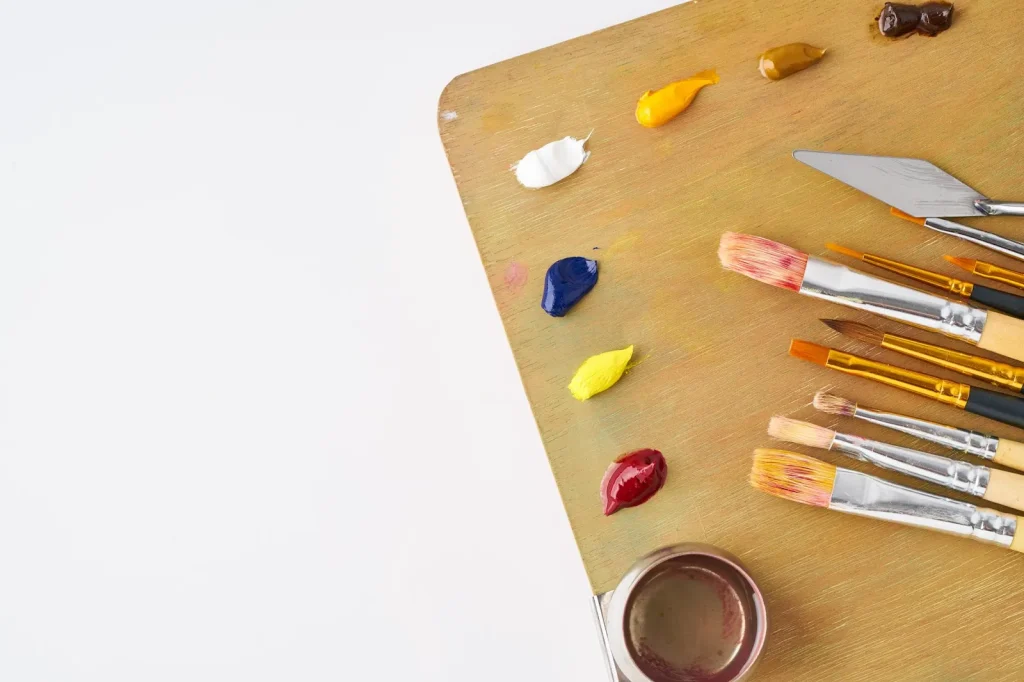
12. Palette + Water Container

A palette is an essential tool for mixing colours and discovering new shades. Simple plastic or reusable palettes allow beginners to blend paint in small amounts, helping them understand how colours interact. 

This hands-on mixing experience supports creativity and gives kids and adults the freedom to personalise their artwork with unique hues. Even young children quickly learn the joy of experimenting with colour combinations on a palette before applying them to paper.

A water container is equally important for any painting setup. It allows artists to rinse their brushes between colours, preventing muddy mixtures and keeping their artwork clean and vibrant. 

Kids often need a sturdy, wide-based container that won’t tip over easily, while adults may prefer a dual-compartment pot to separate clean and dirty water. Both options help maintain a tidy workspace and promote good painting habits from the start.

13. Heavy-Duty Paper Or Canvas Board

13. Heavy-Duty Paper Or Canvas Board

Heavy-duty paper and canvas boards provide the strength and durability needed for acrylic and mixed-media projects. 

Unlike regular paper, these sturdier surfaces can withstand repeated layering, thicker paint applications and more energetic brushstrokes, important for both young children who paint enthusiastically and adult beginners trying out new techniques. 

Their firm structure prevents buckling and tearing, ensuring that artworks stay intact throughout the creative process.

Canvas boards are made by mounting canvas onto a rigid backing, giving beginners a professional-looking surface without the cost of stretched canvas. 

They are ideal for acrylics, textured painting and projects that require a more robust base. Thick mixed-media paper, typically found in 200–300 GSM weights, is a flexible alternative for those who prefer a pad format. 

This type of paper holds water, acrylics, markers and pastels well, making it a versatile choice for early experimentation.

These surfaces also work beautifully for glow-in-the-dark acrylic painting. Their strength supports the extra layering needed to build luminous effects, allowing colours to appear brighter and more vibrant. 

For kids, this adds a level of excitement to painting sessions, while adult beginners enjoy exploring unique techniques without worrying about damaging the surface. Investing in sturdier materials ensures smoother results and greater satisfaction for artists at any level.

14. Construction Or Craft Paper (Coloured Paper)

Coloured construction or craft paper is a staple in many creative environments due to its versatility and ease of use. For kids aged 4–12, its bright colours and soft texture make it perfect for drawing, crafting and school projects. 

The wide range of hues encourages young artists to think creatively about backgrounds, layering and contrast. Adult beginners also appreciate how coloured paper can instantly enhance a simple idea, giving projects a more polished appearance with minimal effort.

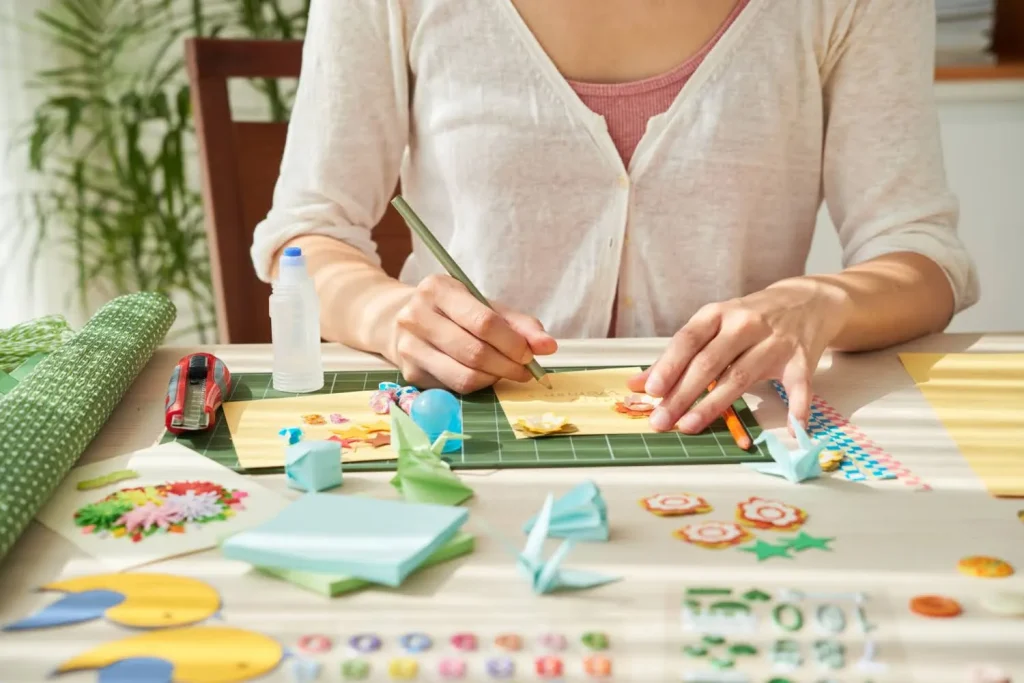
One of the greatest strengths of coloured paper is its suitability for collage work. Its lightweight structure makes it easy to cut, tear or fold, allowing children to experiment with shapes, textures and composition. 

It is also excellent for mixed-media art, as it pairs well with crayons, markers, glue, paint and other basic supplies. Artists can build scenes, create patterns or design layered artworks that foster imagination and storytelling.

15. Glue Stick Or Non-Toxic Glue

Safe, reliable adhesives are essential in any beginner’s art kit, particularly for children who enjoy craft-based projects. Glue sticks are one of the most convenient options for young artists, they are clean, easy to apply and ideal for paper-based activities. 

Their quick-drying nature makes them perfect for collages, school assignments and light craftwork. Parents appreciate that glue sticks produce minimal mess, making them a welcoming option for home use.

Non-toxic liquid glue provides stronger adhesion for projects that require durability or involve heavier materials. It is well suited for mixed-media activities, such as attaching layers of paper, adding textured elements or securing small craft pieces. 

Many liquid glues come with child-safe applicator tips, which help control the amount dispensed and reduce accidental spills. This makes them practical for older children and adult beginners looking to explore more detailed craftwork.

16. Child-Safe Scissors

16. Child-Safe Scissors

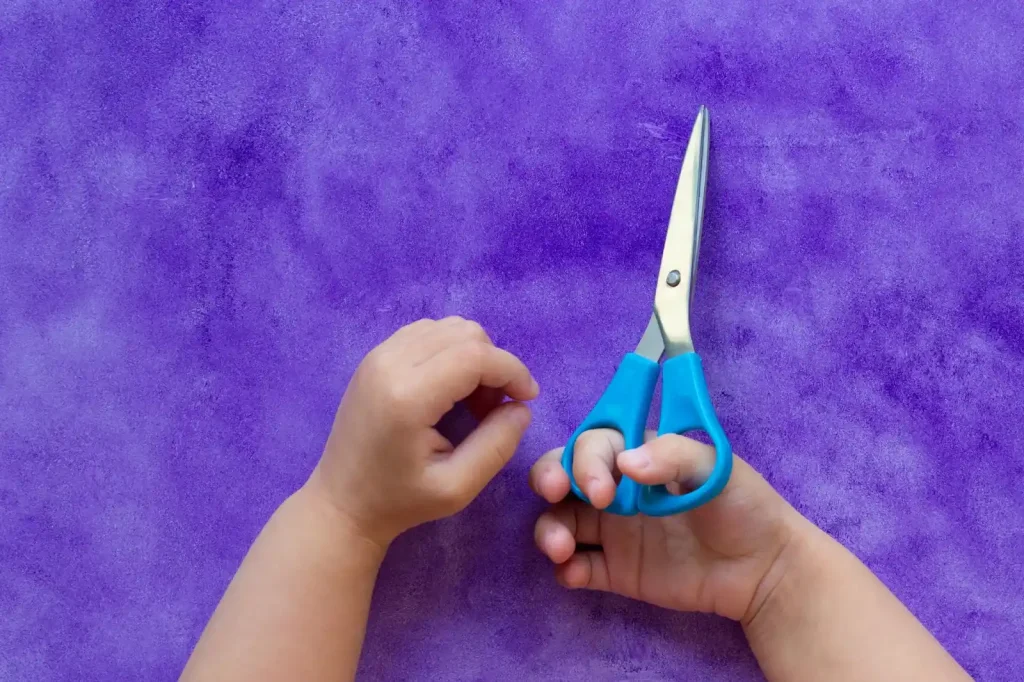
Child-safe scissors are an essential part of any art space, especially in homes and classrooms where young children are exploring early craft skills. 

These scissors are designed with safety in mind, featuring rounded tips, protective grips and blades that can cut paper effectively without posing unnecessary risk. For kids, using the right pair ensures that creative activities remain enjoyable and secure.

There are different types of child-safe scissors available, each catering to specific age groups and hand sizes. Some come with spring-assisted handles that help younger children open and close the blades more easily, while others feature ergonomic grips that support left-handed or right-handed use. 

Parents and teachers appreciate these thoughtful designs because they reduce strain and help children control their movements with greater confidence.

17. Modeling Clay / Air-Dry Clay / Play-Dough

Clay-based materials offer a wonderful way for children and adult beginners to engage their senses while building essential motor skills. 

The tactile experience of squeezing, rolling and shaping clay stimulates creativity and helps strengthen the small muscles in the hands and fingers. These materials are ideal for kids aged 4–12, who naturally enjoy sensory play, and for adults who want a relaxing and expressive medium to explore.

Play-dough is perfect for younger children because it is soft, easily mouldable and forgiving. Kids can shape it repeatedly without it drying out too quickly, allowing them to experiment freely. It encourages imaginative play as they create simple forms like animals, fruits or shapes. 

Air-dry clay, on the other hand, is better suited for older kids and adults who are ready for more detailed sculpting. It hardens naturally when exposed to air, making it ideal for projects that will be kept and displayed.

18. Large-Format Drawing / Easel Paper Or Paper Roll

18. Large-Format Drawing Easel Paper Or Paper Roll

Large-format drawing paper and paper rolls bring a sense of excitement to art-making, making them especially appealing for young children who love working on a grand scale. 

These oversized surfaces give kids the freedom to stretch their arms, move around and create expressive marks without feeling limited by the size of a standard sheet. Adult beginners can also benefit from large surfaces when practising loose sketches or warming up before detailed artwork.

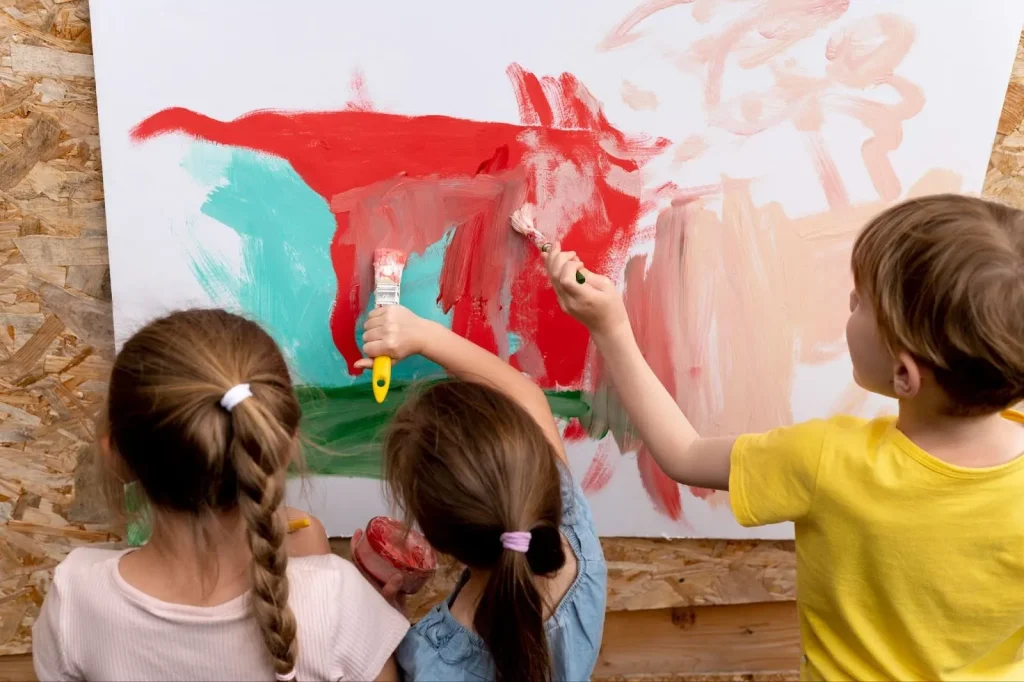
Easel paper pads or hanging paper rolls are commonly used for group projects, collaborative activities or mural-style drawings. Their generous size encourages interaction and teamwork, making them perfect for classrooms, family activities or community workshops. 

Kids enjoy the physical movement involved, kneeling, standing, reaching and sweeping their hands across the paper, which supports both creativity and motor development.

Using paper rolls adds a dynamic element to art sessions. They can pull out as much paper as they need, experiment with long strokes and explore storytelling across wide spaces. 

This format helps build confidence, as larger drawings feel less restrictive and more playful. Large-format paper transforms art-making into a lively, engaging experience for artists of all ages.

19. Storage / Art Supply Organizer / Box

A reliable storage system is essential for keeping art time calm, organised and enjoyable. Kids and adult beginners often use multiple tools during a single session, and having everything in designated places prevents clutter from piling up. 

An organised art space also helps young children focus more easily, as they can clearly see and access the materials they need without getting overwhelmed.

Storage solutions vary depending on the environment. For homes, small organisers, stackable drawers or portable art boxes work well for keeping supplies tidy in a shared space. 

Classrooms often benefit from cubby-style units or labelled bins that allow children to return their materials independently. Adult beginners may prefer compartmentalised cases or trolley-style carts that can be moved around a studio corner or study area.

20. Non-Toxic / Washable Art Materials (Paint, Markers)

20. Non-Toxic Washable Art Materials (Paint, Markers)

Safety plays a key role in any art activity involving children, which is why non-toxic and washable materials are so valuable. 

Parents can rest assured knowing that the paints, markers and supplies their children use meet safety standards and are formulated to be gentle on skin and safe for little hands. These materials allow kids aged 4–12 to explore freely without parents worrying about harmful ingredients or stubborn stains.

Many art products carry certifications such as ASTM D-4236 or EN-71, which indicate they have been tested for safety and deemed appropriate for children’s use. 

Labels like “AP Certified Non-Toxic” or “CE Approved” also help parents identify trustworthy brands. These markings are especially important for younger children who may accidentally touch their face or mouth during creative play.

21. Fine-Liner Pens Or Drawing Pens

Fine-liner pens are excellent tools for beginners who enjoy outlining, comic art, journalling or adding intricate details to their drawings. 

These pens produce consistent, crisp lines that help artists develop control and precision. Kids enjoy the smooth flow and defined marks, while adult beginners appreciate how fine-liners instantly enhance the overall look of their sketches.

Fine-liners come in various tip sizes, typically ranging from 0.05 mm for very delicate lines to 1.0 mm for bolder strokes. 

Beginners often start with mid-range sizes like 0.3 mm or 0.5 mm, as they provide a good balance between detail and ease of use. Some pens feature brush tips, allowing for expressive strokes and calligraphy-style effects, which older kids and adults may enjoy experimenting with.

These pens elevate simple drawings by adding structure, depth and clarity. Kids can outline their coloured pencil or marker drawings for extra impact, while adults can use them to add detail to sketches or create clean, minimalistic artwork.

22. Water-Cup / Cloth / Wipes

22. Water-Cup Cloth Wipes

Simple cleaning tools like water-cups, cloths and wipes play a surprisingly important role in keeping art sessions smooth and enjoyable. 

A sturdy water-cup allows artists to rinse their brushes properly between colours, helping maintain clean, vibrant paint mixtures and preventing muddy results. For kids aged 4–12, using a wide-based water container reduces the risk of spills, making the experience more manageable and less stressful for parents.

Cloths and wipes support quick clean-ups throughout the session. Reusable cloths are excellent for drying brushes, wiping hands or cleaning small paint drips, making them eco-friendly and cost-effective. 

Disposable wipes offer convenience for fast, fuss-free tidying, especially during group sessions or when time is limited. Both options help keep the workspace neat, ensuring the focus stays on creativity instead of mess.

23. Pencil Case Or Pouch

A pencil case or pouch is a practical addition to any beginner’s art kit, helping prevent small tools from getting lost or damaged. 

Kids often use several items in a single session, pencils, erasers, sharpeners and markers, so having a designated place for these supplies keeps things tidy. Adult beginners also benefit from having their favourite drawing tools in one compact, organised space that can be carried around with ease.

Kid-friendly pouches often feature bright colours, fun patterns or sturdy, easy-to-open zips that help children stay organised independently. 

Adult-friendly options might include minimalist designs, multiple compartments or durable materials like canvas or faux leather. Some pouches even open flat for easy access, making them convenient for art classes, travel or home practice.

24. Basic Palette Knife Or Mixing Tool

24. Basic Palette Knife Or Mixing Tool

A palette knife is a simple but versatile tool used to mix paint, spread colour or add texture to artwork. For beginners, learning to mix colours with a knife keeps palettes neat and prevents brushes from becoming overloaded with paint. 

It helps maintain colour purity and allows artists to blend shades more evenly, creating a smoother painting experience.

For children, lightweight plastic palette knives are the safest and most beginner-friendly option. They are easy to hold, gentle on surfaces and allow kids to explore texture in a controlled way. These tools introduce young artists to the idea of shaping paint, making them a fun addition to their creative toolkit.

Adult beginners may enjoy exploring palette knives for textured effects, layering techniques or thick paint applications. 

The knife’s flexibility encourages experimentation, inviting learners to try new approaches beyond traditional brushwork. Palette knives open the door to expressive mark-making and make the painting process more dynamic and tactile.

25. Protective Covering / Mat / Old Newspapers

Protecting the workspace is essential when painting, drawing or working with mixed-media materials. Kids often create with enthusiasm, which can lead to splatters, drips and colourful marks spreading beyond the paper. 

Using protective coverings helps maintain clean tables and floors, allowing parents and adult beginners to enjoy art time without worrying about stains or damage.

Reusable mats made from silicone or plastic are durable options that can be placed under art projects. They are easy to wipe clean and ideal for regular use. 

Washable tablecloths offer broader coverage and are perfect for larger setups, including easel work or group projects. Even simple layers of old newspapers provide an effective barrier, catching spills and making disposal quick and convenient.

Conclusion About The Essential Art Supplies For Kids And Adults

Choosing the right must have art supplies gives both kids and adult beginners the confidence to create, experiment and grow. With a simple set of essential art supplies, you can build an age-friendly space that supports learning, encourages curiosity and makes every art session more enjoyable. 

The goal is not perfection, but giving yourself or your child the right tools to begin, and the freedom to keep exploring.

If you’re looking for a supportive environment to continue that journey, Art Pazionate offers a nurturing space for children, teens and adults to develop artistic and creative-thinking skills while expressing their individuality. 

Students are encouraged to think boldly, explore their own ideas and enjoy the process of creating meaningful art. 

With small class sizes, close guidance and thoughtfully designed programmes, from weekly kids’ classes to adults’ sessions, holiday workshops and mindfulness art, you’ll find a place where creativity truly thrives.

To start your artistic journey, contact Art Pazionate via WhatsApp or our contact form. Parents may also enjoy a free trial class when signing up for an 8- or 16-lesson package on the same day.

Frequently Asked Questions About The Essential Art Supplies For Kids And Adults

Are Essential Art Supplies Different For Kids And Adults?

The core materials remain similar, but kids need washable, non-toxic options, while adults may prefer higher-quality pencils, papers and paints for improved control and technique.

How Do I Choose Art Supplies That Are Safe For Young Children?

Look for non-toxic labels, washable formulas, rounded edges and age-appropriate tools. Safety should always be prioritised when selecting must have art supplies for kids.

Is It Necessary To Buy All Must Have Art Supplies At Once When Starting Art?

No. You can begin with a few basics and gradually add more must have art supplies as your skills and confidence grow.

When Is The Right Time For Kids To Upgrade From Basic Tools To Higher-Quality Essential Art Supplies?

Kids can upgrade once they show good control, interest and readiness to try new techniques. Higher-quality essential art supplies help them progress smoothly.

Do Art Supplies Vary Depending On The Art Style A Beginner Wants To Explore?

Yes. Different styles may require different art supplies, such as finer pens for line work or thicker paper for painting.

41 Best Art Classes & Workshops For Adults In Singapore

40 Best Art Classes & Workshops For Adults In Singapore

Let’s be honest, “adulting” can be a grind. Between the endless meetings, the packed commute, and trying to keep up with life, when was the last time you did something just for you? Something fun, relaxing, and completely screen-free? 

If you’re feeling a bit burnt out, you might be surprised to find that art activities for adults are the perfect antidote. 

It’s not about becoming a professional artist; it’s about finding a moment of peace, trying something new, and maybe even discovering a passion you never knew you had.

1. Classic Art Jamming 

1. Classic Art Jamming

Art jamming is the original no-pressure art experience. You get a canvas, a set of paints, and a few hours to paint whatever you want. No instructors, no rules. It’s the perfect social activity for a weekend afternoon or a casual date night.

2. Pottery Wheel Throwing 

There’s something uniquely satisfying about taming a spinning lump of clay. Pottery wheel throwing is an incredibly mindful and grounding activity. It’s a challenge, for sure, but turning a wet mound of earth into a cup or bowl with your own hands is a one-of-a-kind feeling.

3. Pottery Hand-Building 

If the wheel seems too intimidating, hand-building (or hand-building) is a fantastic alternative. You’ll use techniques like pinching, coiling, and slab-building to sculpt and shape clay. It’s a very relaxing, almost meditative way to create unique mugs, plates, and sculptures.

4. Watercolour Painting 

4. Watercolour Painting

This is a beautiful and accessible medium. A beginner’s workshop can teach you the basics of colour mixing, wet-on-wet techniques, and how to create those soft, dreamy effects. It’s a lovely skill that you can easily practise at home with a small palette.

5. Rug Tufting 

This is one of the trendiest fun art activities for adults right now. Using a “tufting gun,” you punch yarn into a stretched canvas to create your own custom mini-rug or wall hanging. It’s surprisingly fast, fun, and very, very satisfying.

6. Silver Ring Making 

Walk away with wearable art. In a silversmithing workshop, you’ll learn the basics of sawing, filing, soldering, and polishing a piece of silver to craft your very own ring from scratch. It’s a popular choice for couples, and you leave with a tangible, beautiful piece of jewellery.

7. Digital Art (Procreate) 

7. Digital Art (Procreate)

For the tech-inclined, a digital art class like the Procreate class for beginners can open up a whole new world. You learn to use an iPad and Apple Pencil to draw, paint, and illustrate, giving you a powerful new creative tool.

8. Modern Calligraphy 

8. Modern Calligraphy

If you love beautiful handwriting, a modern brush pen or pointed pen calligraphy workshop is perfect. You’ll learn the basic strokes and how to form letters, turning your handwriting into a piece of art. It’s a very mindful and elegant hobby.

9. Leather Crafting 

Create something both beautiful and functional. In a basic leather-crafting workshop, you can learn to make your own cardholder, key fob, or passport cover. You’ll learn cutting, hand-stitching, and finishing techniques.

10. Guided Art Classes for Beginners

If the idea of a blank canvas feels a bit scary, a guided class is perfect. This is where many adult art activities truly shine. 

Unlike a free-for-all session, a beginner’s class is a safe, supportive space where you can learn foundational skills without any fear of being judged. It’s less about a single painting and more about building confidence and finding a new, relaxing outlet for yourself.

11. Pottery Painting

11. Pottery Painting

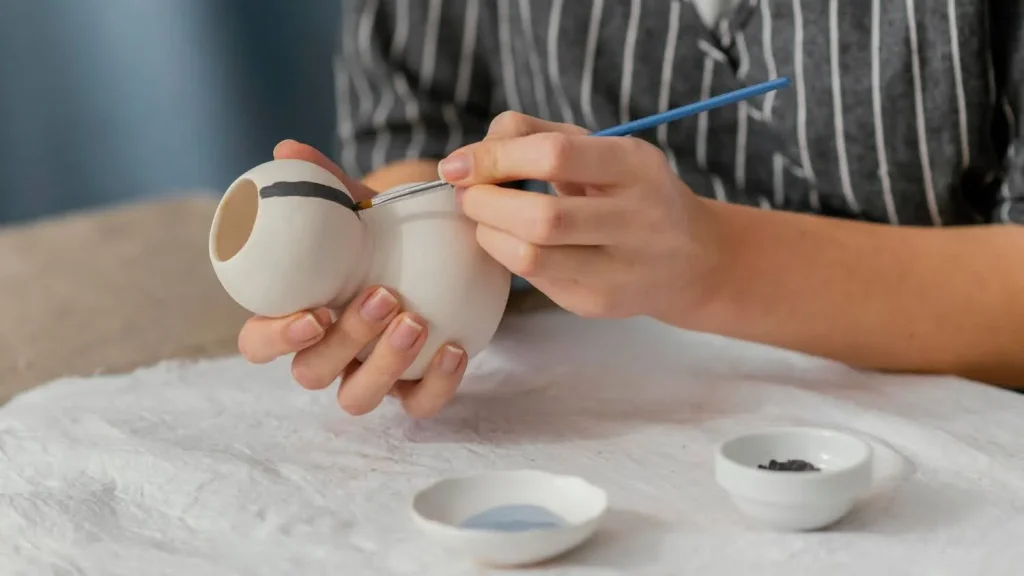
If you love the look of pottery but don’t want to start from scratch, this is for you. You get to pick a pre-made ceramic piece (like a mug, plate, or figurine) and paint it with your own custom design. It’s a very relaxing, beginner-friendly activity that guarantees a beautiful, functional result.

12. Perfume & Fragrance Making

Art isn’t just visual; it can be sensory, too. In a perfume-making workshop, you’ll learn about different scent notes (top, middle, and base) and mix a variety of oils to create your own signature fragrance. You leave with a custom-bottled perfume that is uniquely you.

13. Resin Art (Coasters & Pours)

This is the craft behind those beautiful, glossy, marble-effect coasters and trays you see online. In a resin workshop, you’ll learn to mix clear resin with pigments and pour it to create stunning, ocean-like effects. It’s a bit scientific, but it results in a very professional-looking piece.

14. Neon / Glow-in-the-Dark Art Jamming

This is a thrilling twist on the classic art jam. You paint in a room lit only by UV lights, and your fluorescent paints glow with incredible vibrancy. It’s a unique, almost magical experience that’s less about technique and more about enjoying the bright, fun-filled atmosphere.

15. Batik Painting

15. Batik Painting

Why not try a traditional art form? Batik workshops teach you the ancient technique of using hot wax and dye to create beautiful, intricate patterns on fabric. You get to learn about a rich culture and create a beautiful textile piece, like a scarf or wall hanging.

16. Splatter Painting

This is the ultimate stress-reliever and one of the most fun art activities for adults. You’ll be given a canvas (and probably a poncho or coveralls) and get to throw, flick, and splash paint to your heart’s content. It’s messy, chaotic, and pure, liberating fun.

17. Terrarium & Kokedama Workshops

This is like creating a tiny, living piece of art. It’s a peaceful, green activity where you learn to layer soil, stones, and moss with small plants to build your own miniature garden in a glass jar. Kokedama is a related Japanese art of creating a “moss ball” for a plant to grow in.

18. Bookbinding

For those who love books and paper, a bookbinding workshop is a quiet and precise craft. You’ll learn to fold, sew, and bind paper to create your very own hardcover journal or notebook. It’s a beautiful, traditional skill that results in a very personal and useful item.

19. Candle & Soap Making

A wonderfully sensory workshop where you get to mix your own custom scents, colours, and botanicals to create artisan soaps or candles. You’ll learn the process from scratch and leave with something beautiful, fragrant, and useful for your home.

20. Palette Knife Painting

If you love the look of thick, textured paintings, this workshop is for you. Instead of brushes, you’ll use palette knives to scrape, spread, and layer paint on a canvas. Palette knife painting is a very expressive way to paint and is surprisingly beginner-friendly, perfect for creating bold, abstract art.

21. Linocut & Relief Printmaking

21. Linocut & Relief Printmaking

Step into the timeless world of printmaking. This hands-on workshop teaches you how to design, carve your own stamp or block and print your creation. You’ll learn to carve into a linoleum or rubber block and then roll ink over it to press your design onto paper or a tote bag. It’s a wonderfully tactile process that produces bold, graphic results.

22. Silkscreen Printing

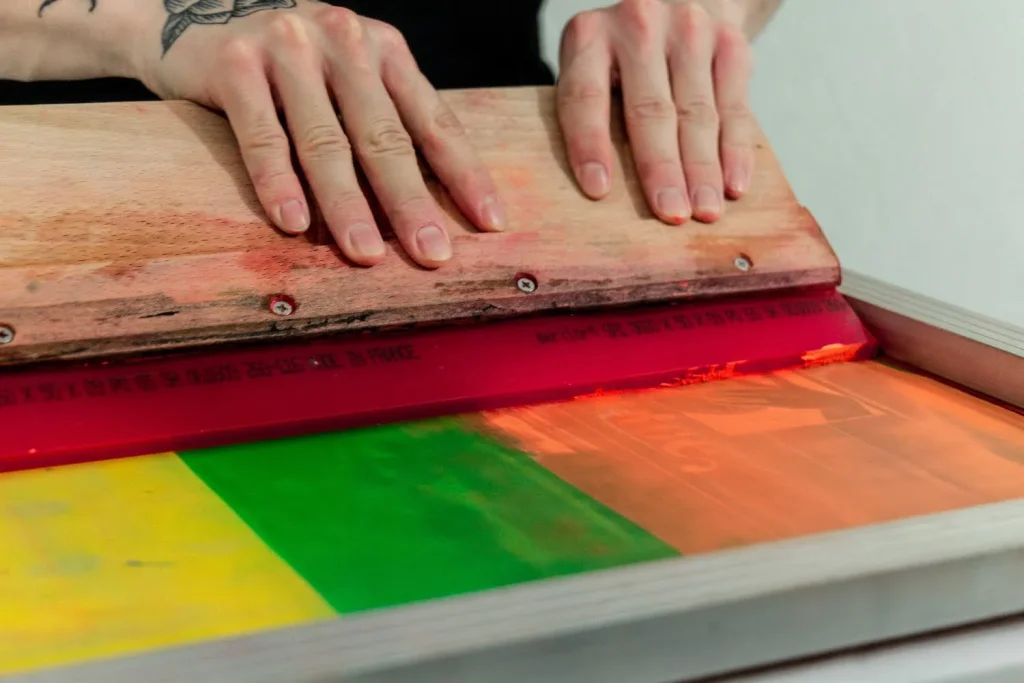
Ever wanted to print your own t-shirt? Silkscreen printing is the classic method for just that. In a beginner’s workshop, you’ll learn the whole process: how to prepare a design on a mesh screen, create a stencil, and press ink through it onto fabric or paper to create a crisp, professional-looking print.

23. Chinese Ink Painting

This is a beautiful and meditative art form that’s very different from Western painting. A beginner’s class will introduce you to the “Four Treasures” (brush, ink, paper, and inkstone) and teach you the basic, expressive brushstrokes needed to paint classic subjects like bamboo or fish. It’s all about capturing the spirit of a subject in a few elegant strokes.

24. Floral Arrangement

24. Floral Arrangement

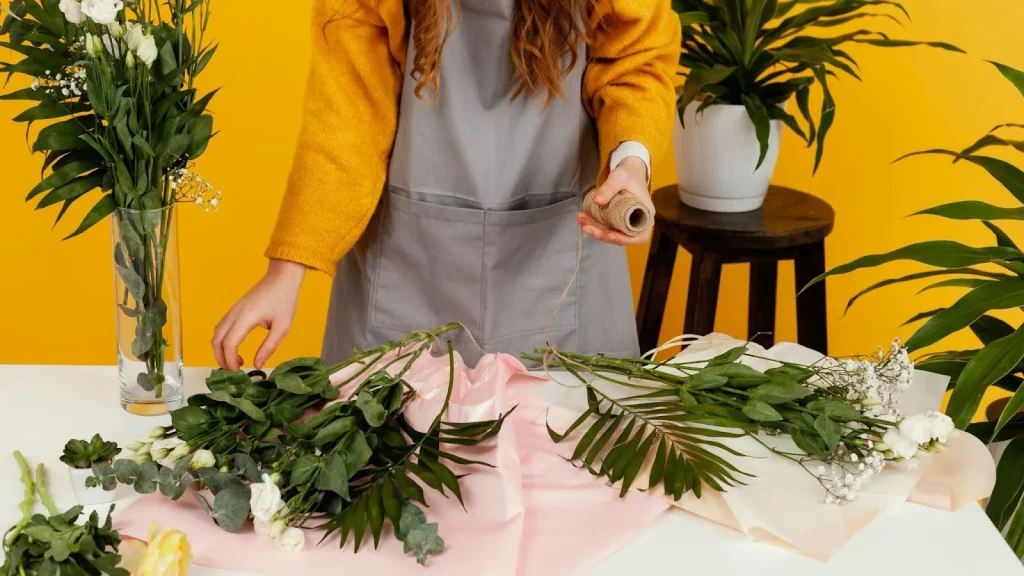
If you love having fresh flowers at home, this is a skill that’s both creative and practical. A floral arrangement workshop teaches you the principles of design, colour theory, and the techniques to make flowers and foliage look their best in a vase or as a hand-tied bouquet. It’s a relaxing way to work with nature.

25. Polymer Clay Jewellery Making

This is one of the most popular creative art activities for adults right now. In these workshops, you’ll learn to condition, mix, cut, and shape colourful polymer clay into stunning, lightweight earrings, necklaces, or keychains. It’s incredibly fun to see your tiny designs come to life.

26. Glass Fusing

Discover the magic of working with molten glass in a safe, controlled way. In a glass fusing workshop, you’ll cut and layer pieces of colourful art glass to create a design, which is then fired in a kiln. The heat fuses the pieces together into a single, glossy piece, perfect for making jewellery, coasters, or small dishes.

27. Paper Marbling

This is a mesmerising and almost magical process. You’ll learn to float special inks or paints on the surface of a thickened water bath, swirl them into intricate patterns, and then lay a piece of paper down to capture the design. Every single print is completely unique.

28. Basic Woodworking

For those who crave a truly hands-on skill, a beginner woodworking class is an amazing experience. You’ll get to learn about different types of wood and how to safely use basic hand tools and machinery. You’ll typically leave with a small, functional item you built yourself, like a small stool or a box.

29. Tapestry & Frame Weaving

A wonderfully slow and mindful craft. A beginner’s weaving workshop will teach you how to set up a small frame loom and use different coloured yarns and textures to weave your own mini tapestry or coaster. It’s a very rhythmic and relaxing activity that you can easily get lost in.

30. Cyanotype Printing

30. Cyanotype Printing

This is an old photographic printing process that uses sunlight to create striking, deep blue prints. In a workshop, you’ll treat paper or fabric with a special solution, arrange objects (like flowers, leaves, or stencils) on top, and expose it to the sun. It’s a simple, magical process that requires no drawing skills at all.

31. Mosaic Art

This is a timeless art form that doesn’t require any drawing skills. In a mosaic workshop, you’ll learn to cut and arrange small, colourful tiles (tesserae) to create a beautiful image or pattern. You’ll typically create a decorative piece like a coaster, fridge magnet, or small plaque.

32. Chinese Ink Painting

A beautiful and meditative art form that’s very different from Western painting. A beginner’s class will introduce you to the “Four Treasures” (brush, ink, paper, and inkstone) and teach you the basic, expressive brushstrokes needed to paint classic subjects like bamboo or flowers. It’s all about capturing the spirit of a subject in a few elegant strokes.

33. Acrylic Pour / Fluid Art

This is one of the most fun art activities for adults and is perfect for beginners. You’ll learn how to mix acrylic paints with a pouring medium and then pour, tilt, and drip them onto a canvas or figurine (like a bear) to create stunning, abstract, marbled patterns. It’s unpredictable, and the results are always unique.

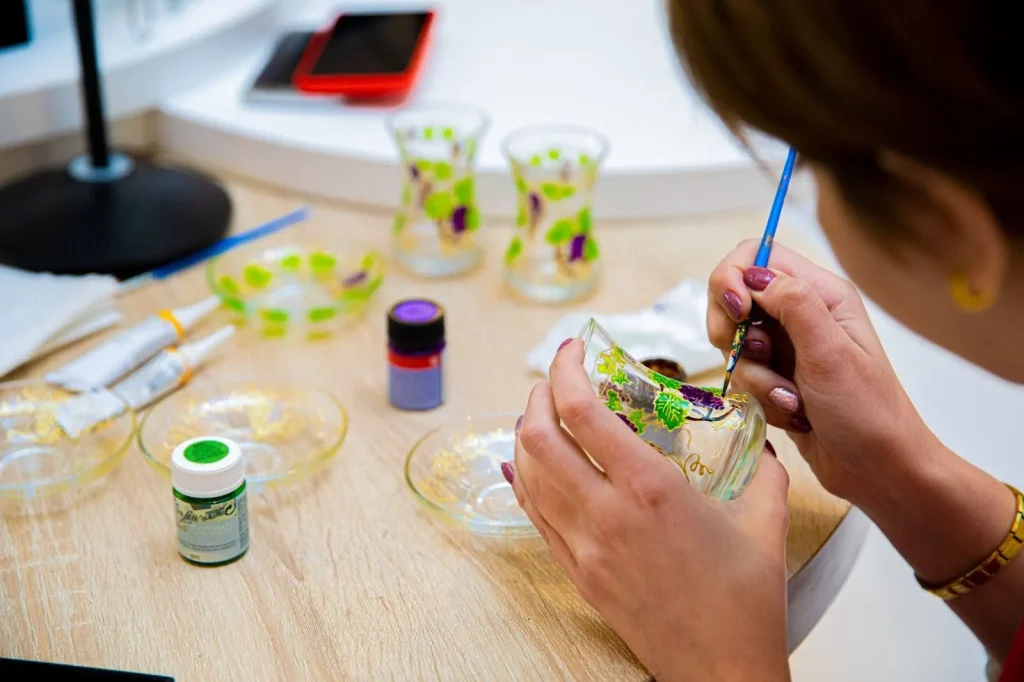
34. Glass Painting

34. Glass Painting

Instead of painting on canvas, this workshop lets you use glass as your canvas. You’ll learn to use special glass paints to create a vibrant, translucent piece of art. It’s a bit like creating your own stained glass, and you’ll leave with a beautiful suncatcher or decorative glass panel.

35. Natural Dyeing (Shibori)

Explore the beauty of colours made from nature. In a natural dye workshop, you’ll learn how to extract pigments from plants, flowers, and barks. You’ll also often learn Shibori, a Japanese tie-dye technique, to create beautiful, earthy patterns on a scarf, tote bag, or yarn.

36. Nyonya Beading (Kasut Manek)

Explore a rich cultural heritage with this intricate craft. This workshop teaches you the traditional Peranakan art of Kasut Manek, which involves sewing tiny, colourful beads onto fabric. You’ll learn the techniques to create beautiful beaded patterns, often for a small pouch or ornament.

37. Kinetic Art (Clock Making)

For a truly unique experience, this workshop combines art with engineering. You’ll get to design and assemble your very own functional wall clock. It’s a fantastic activity that lets you customise a piece of art that is both beautiful and practical for your home.

38. Paper Cutting

This is a delicate and traditional art form found in many cultures, most notably as “Jianzhi” (Chinese paper-cutting). A beginner’s workshop will teach you how to use a craft knife to cut intricate designs from a single sheet of paper, creating a beautiful piece that plays with positive and negative space.

39. Chinese Seal Engraving

This is an ancient and respected art form. In this workshop, you’ll learn to carve your own “chop” or personal stamp, typically from a small block of stone. It’s a very focused, hands-on craft where you’ll learn to design and carve characters or symbols.

40. Life Drawing

This is a foundational art skill that is incredibly rewarding for both beginners and experienced artists. In a life drawing session, you’ll learn to draw the human form from a live model. It’s not about creating a perfect portrait, but about understanding proportion, form, and how to capture a gesture.

Conclusion About Creative Art Activities for Adults

Finding time for yourself isn’t a luxury; it’s a necessity. These fun art activities for adults are more than just a way to pass an evening; they are a way to de-stress, connect, and reignite your creative spark. You don’t need to be “artistic” to start; you just need to be curious. 

If you’re ready to find a supportive, welcoming space where you can relax and learn without feeling embarrassed or out of place, we invite you to explore the adult beginner art classes at Art Pazionate.

Contact us today to book your slot!

Frequently Asked Questions About Creative Art Activities for Adults

What Is The Difference Between Art Jamming And An Art Class? 

Art jamming is typically an unguided, free-and-easy session where the main goal is socialising and relaxation. An art class, like those for adult beginners, is led by a guide who teaches you foundational skills and techniques in a supportive, structured environment.

Do I Need To Be Good At Drawing To Join An Adult Art Class? 

Not at all. Most adult art activities are designed for absolute beginners. It’s a common fear to feel embarrassed or judged, but these classes are safe spaces where the goal is to learn and have fun, not to be perfect.

What Are The Mental Health Benefits Of Art Activities? 

Engaging in art activities that adults enjoy can be very therapeutic. It’s a form of mindfulness that helps you focus on the present moment, which can reduce stress and anxiety. It also serves as a wonderful creative outlet for self-expression.

What Is A Good Art Activity For A Date Night? 

Pottery throwing is a classic, fun, and hands-on date. Art jamming is also a great, relaxed option where you can talk and be creative side-by-side. Many adults enjoy these as unique social workshops to create memories.

Can I Go to an Art Workshop by Myself? 

Absolutely! Going solo is a fantastic way to unwind, meet new people, and focus on your own creative process without any distractions. It’s a very common and popular way to enjoy a class.

15 Best Art Activities For Kids In Singapore (A Parent's Guide)

15 Best Art Activities For Kids In Singapore (A Parent’s Guide)

Finding the right art activities for kids in Singapore can feel like a big quest. You want something fun that gets them away from screens, but also something… more. How do you find an activity that genuinely sparks their curiosity, builds their confidence, and helps them grow? It’s not just about keeping them busy; it’s about nurturing their imagination.

Luckily, the city is full of wonderful options. Here’s a list of 15 diverse and exciting art activities to help you find the perfect fit for your child.

1. Creative Expression & Painting Classes

1. Creative Expression & Painting Classes

This is the classic, foundational art experience. More than just learning to paint, these classes teach children how to think. The best programmes focus on original ideas, not just copying a template. Kids learn real techniques in drawing and painting while being encouraged to find their own style.

  • Best for: Building long-term skills, confidence, and a strong portfolio.

Try This: At Art Pazionate, our Kids Art Classes and DSA Portfolio Preparation programmes are built on this very philosophy. We focus on nurturing each child’s unique voice in a supportive, fun environment.

2. Casual Art Jamming

If your child just wants to splash paint and have fun without any rules, art jamming is perfect. It’s an unguided session where you get a canvas, paints, and the freedom to create whatever you want. It’s a fantastic weekend activity or a fun, stress-free playdate where the main goal is just to relax.

  • Best for: A casual, fun-filled afternoon; kids who don’t want instructions.

3. Pottery & Ceramics Workshops

There’s something magical about turning a simple lump of clay into a bowl, a cup, or a small sculpture. Pottery is a wonderful sensory activity that teaches patience, focus, and the basics of 3D form. It’s hands-on, a little messy, and kids get to create a physical object they can actually use.

  • Best for: Kids who love to build, get their hands dirty, and create functional objects.

4. Digital Art & Animation

For the tech-savvy child, digital art classes are a perfect blend of creativity and technology. Using tablets and apps like Procreate, kids can learn the fundamentals of drawing, illustration, and even basic animation. It’s an exciting medium that opens up a whole new world of artistic possibilities.

  • Best for: Older kids (9+) with an interest in technology, illustration, or anime.

5. Neon / Glow-in-the-Dark Art Jamming

This is a thrilling twist on regular art jamming. Held in a room with UV lights, kids get to paint with fluorescent paints that glow in the dark. It’s a unique, almost magical experience that’s less about traditional technique and more about vibrant, messy fun.

  • Best for: A memorable party or a super-fun group activity.

6. Splatter Painting

For the child with boundless energy, a splatter paint house is the ultimate outlet. Decked out in coveralls, kids (and adults!) get to throw, splash, and spray paint onto a canvas or the walls! It’s pure, chaotic fun and a great way to let loose.

  • Best for: Energetic kids, stress relief, and a very messy afternoon.

7. Interactive Art Museums

7. Interactive Art Museums

Don’t forget the power of seeing art! Places like the Keppel Centre for Art Education at the National Gallery are designed specifically for children. They offer interactive spaces, hands-on zones, and storytelling sessions that let kids explore art in a way that is playful and engaging.

  • Best for: A family-friendly outing that is both educational and fun (and often free!).

8. Skateboard or Ukulele Painting

Why just paint on a canvas? Some unique studios offer workshops where kids can design and paint their own skateboard decks or even a real ukulele. It’s a brilliant way to combine art with their other interests, and they get to take home a cool, functional object.

  • Best for: Kids with a passion for music or skating; creating a personalised, usable item.

9. Cultural Craft Workshops (e.g., Batik Painting)

These one-off workshops are a great way to explore different cultures and skills. You can find everything from traditional Batik painting to modern spin art or paper-making. They are often project-based, so your child is guided through a process to create a specific finished product.

  • Best for: A unique holiday activity or for kids who like project-based learning.

10. Comic & Cartoon Drawing

If your child is always doodling characters, a class focused on comic or cartoon art is a perfect fit. These classes teach the fundamentals of character design, expressions, and storytelling, tapping into a passion they already have.

  • Best for: Budding storytellers and kids who love to draw.

11. Miniature Clay Food & Figurines

11. Miniature Clay Food & Figurines

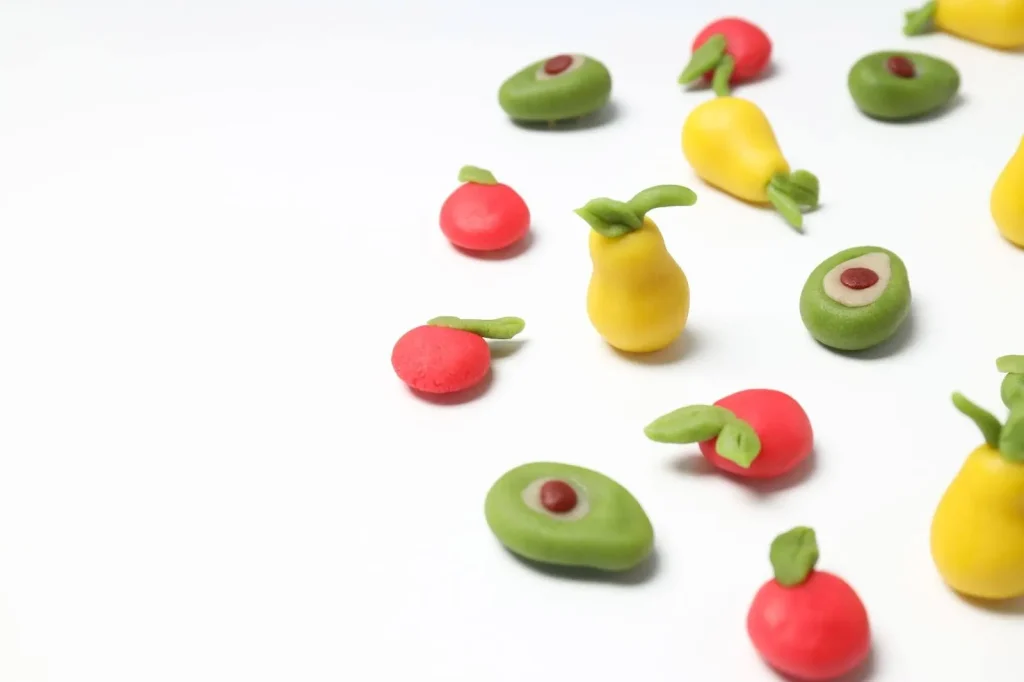
For kids with an eye for detail, miniature craft is a fascinating hobby. Workshops teach them how to sculpt tiny, realistic-looking food or cute figurines out of polymer clay. It’s a wonderful activity that hones fine motor skills and patience.

  • Best for: Kids who love tiny details, figurines, and dollhouses.

12. Art Jamming with Animals

Several studios now offer art jamming… with a twist. Kids can paint in a room filled with friendly, free-roaming rescue cats. It’s a wonderfully calming and therapeutic experience that combines a love for art with a love for animals.

  • Best for: Animal lovers and kids who would enjoy a calm, therapeutic painting session.

13. T-shirt or Tote Bag Painting

Let your child wear their art! Many studios offer sessions where kids can paint their own designs directly onto a t-shirt or tote bag. It’s a fun, practical activity, and they’ll feel so proud using or wearing their own creation.

  • Best for: A fun party activity or creating a personalised, wearable gift.

14. Kokedama & Terrarium Workshops

This is a beautiful blend of art and nature. Kokedama is the Japanese art of creating a “moss ball” for a plant to grow in. These and other terrarium workshops are a peaceful, hands-on way to create a living piece of art that they can care for at home.

  • Best for: Nature-lovers and kids who enjoy gardening.

15. Soap or Candle Making

Art you can smell! These craft workshops teach kids the basics of melting, mixing colours, and adding scents to create their own soaps or candles. It’s a fun, sensory experience that results in a beautiful, fragrant, and useful item.

  • Best for: Kids who love sensory play and mixing “potions.”

Conclusion About The Best Art Activities For Kids In Singapore

The “best” art activity is the one that makes your child feel happy, confident, and curious. Whether it’s the free-flowing fun of art jamming or the tactile feel of clay, each has its own magic.

However, if you’re seeking an experience that genuinely nurtures your child’s unique voice and fosters their creative thinking skills for the long term, that’s where a guided, expression-focused class truly excels. We invite you to explore this approach at Art Pazionate, where we believe every child is an artist.

Contact us today to book an art activity!

Frequently Asked Questions About The Best Art Activities For Kids In Singapore

What Is the Best Age for a Child to Start Art Classes? 

Children can start benefiting from art classes as young as four years old. At this age, the focus is on exploration, motor skills, and discovering the joy of creating, which builds a strong foundation.

What Is the Difference Between Art Jamming and an Art Class? 

An art class is led by a teacher and is designed to build skills and creative thinking in a structured way. Art jamming is typically an unguided, casual activity focused on relaxation and fun, without a specific lesson.

How Do Art Activities Help with a Child’s Development? 

Art helps develop fine motor skills, improves concentration, and builds resilience. Most importantly, it teaches children creative problem-solving and gives them a safe outlet to express their emotions and build confidence.

What Should My Child Wear to an Art Class? 

We recommend comfortable clothes that you don’t mind getting a little paint on. While aprons are usually provided, art can sometimes be a wonderfully messy process!

What Is Art Jamming Your Guide To Creative Fun

What Is Art Jamming? Your Guide To Creative Fun

Have you ever wanted to paint but felt worried you “aren’t artistic”? Maybe the idea of a formal art class seems a bit intense. 

If you’re just looking for a way to relax, have fun, and splash some paint on a canvas, then you’re probably looking for what art jamming is. It’s a wonderful trend that’s all about creative freedom, and it’s the perfect antidote to a busy week.

What is Art Jamming?

What is Art Jamming

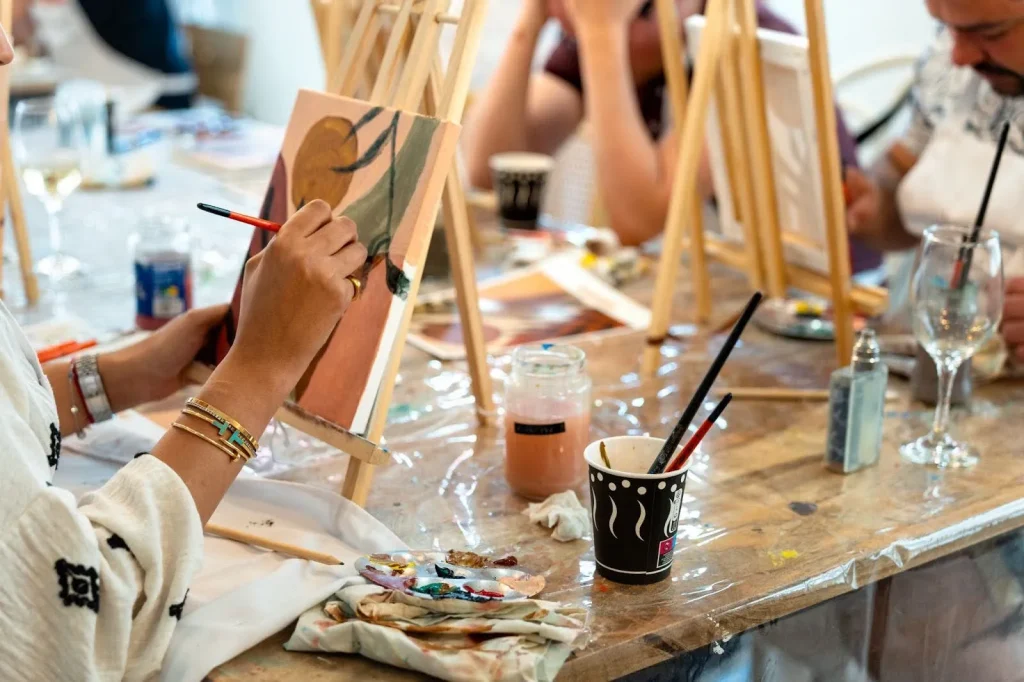
Art jamming is a casual painting session where people come together to paint freely in a social setting. Unlike a traditional art class, there is no instructor or step-by-step lesson. The focus is purely on relaxation, self-expression, and enjoying the creative process without any pressure to produce a masterpiece.

The real meaning of art jamming is found in the experience, not the final product. It’s a chance to disconnect from your phone, quiet your mind, and just create. 

It taps into that simple joy of playing with colours, something many of us haven’t done since we were kids. It’s therapeutic. You’re not there to be judged; you’re there to have a good time.

What Happens During An Art Jamming Session?

If you’re new to the idea, here’s a simple art jamming guide on what to expect:

  • You’ll Get Your Supplies: You’ll typically be given a blank canvas, a palette, a set of acrylic paints, brushes, and an apron.
  • You Find Your Space: You just pick a spot at an easel and get comfortable.
  • You Just… Paint: This is the best part. You can paint whatever you want. A landscape? A pet? Abstract colours? It’s completely up to you.
  • You Can Mingle (or Not): Many people go with friends for a creative catch-up. Others go solo to unwind. It’s a relaxed, communal space.
  • You Take Your Art Home: At the end of the session, you get to take your finished (or unfinished!) canvas home with you.

Who is Art Jamming For? (Spoiler: It’s You)

This is the easiest question to answer. Art jamming is for everyone.

  • For the Stressed-Out Professional: It’s a digital detox. It’s two hours of not checking your email and using a different part of your brain.
  • For Friends and Teammates: It’s an amazing bonding activity. You get to laugh, create, and share an experience that’s way more memorable than just dinner or drinks.
  • For the “Non-Creative” Person: This is especially for you. It’s a safe space to prove to yourself that you are creative and to just have fun with it.
  • For Couples: It’s a perfect date idea. You can be playful, see a different side of your partner, and create a shared memory.
  • For Families: It’s a fantastic way for parents and kids to connect and create side-by-side.

Art Jamming vs. Art Class: What’s the Difference?

This is a common question! While both involve painting, their purpose is completely different. An art class is about learning a skill, while art jamming is about experiencing freedom.

Here’s a simple breakdown:

Feature

Art Jamming (The “Playground”)

Art Class (The “School”)

Main Goal

Relaxation, self-expression, and fun.

To learn specific skills and techniques (e.g., brushwork, colour theory).

Structure

Unguided and pressure-free. You paint whatever you want.

Structured with a lesson plan led by a teacher.

Guidance

No formal instructor. Staff are there to help with supplies.

An expert teacher provides step-by-step guidance, feedback, and answers technical questions.

Outcome

A unique piece of art that reflects your personal expression.

A finished piece, often similar to the instructor’s, demonstrating the skill you learned.

Best For

De-stressing, a fun date, a team outing, or exploring creativity without rules.

Beginners who want to learn the fundamentals or artists who want to master a new style.

“But I Don’t Know What to Paint!” – Easy Ideas to Get Started

The blank canvas is the biggest hurdle for most beginners. Don’t let it be! Here are some simple, no-fail ideas:

  • Go Abstract: This is the easiest and most freeing option! There are no rules. Just pick 3-4 colours you love and paint shapes, lines, or even just splash and splatter.
  • A Simple Landscape: Think of a sunset, a beach, or a calm night sky. These are often simple shapes and beautifully blended colours.
  • Silhouettes: Paint a colourful gradient background (like a sunset) and then paint a simple black silhouette over it, like a tree, a city skyline, or an animal.
  • Use a Reference: Find a picture you love, a photo of your pet, a beautiful flower, or a travel destination, and try to recreate it. It’s not about making it perfect; it’s just about having a guide.

5 Quick Tips for Your First Time

  1. Don’t Compare: This is the most important tip. Your creative journey is unique. Avoid comparing your art to the person next to you.
  2. Sketch it Out First: If you have an idea, lightly sketching it on the canvas with a pencil first can help you plan your painting.
  3. Just Start: The hardest part is the first brushstroke. Once you put some colour on the canvas, the fear disappears.
  4. Embrace “Mistakes”: With acrylic paint, there are no mistakes. If you don’t like something, just let it dry for a few minutes and paint right over it!
  5. Paint Your Emotions: Don’t just think about what to paint; think about how you feel. Use colours that express your mood.

Conclusion About Art Jamming

In our busy lives, we are rarely given permission to just play. We’re expected to be efficient, to have a purpose, to get it “right.” Art jamming is the antidote. 

It’s the permission you’ve been waiting for—permission to be messy, to be spontaneous, and to create for no one’s approval but your own. It’s not just about what you’ll make; it’s about what you’ll feel.

If you’re ready to switch off the noise and turn on your creativity, we’d be honoured to host you. Come and find your inner artist at Art Pazionate and let’s make something wonderful together.

Contact us today to reserve a slot!

Frequently Asked Questions About Art Jamming

Do I Need to Bring My Own Paint for Art Jamming?

No, not at all. A good art jamming studio will provide everything you need, including the canvas, paints, brushes, easel, and an apron.

How Long Does an Art Jamming Session Usually Last?

Sessions typically last between two to three hours. This gives you plenty of time to settle in, experiment with your colours, and complete your painting without feeling rushed.

Is Art Jamming the Same as a Painting Class? 

This is a common question! No, it is not. A painting class is led by an instructor who teaches specific techniques. Art jamming is an unguided, free-and-easy session where you paint whatever you like at your own pace.

What if I Have No Idea What to Paint? 

That’s completely fine! Many studios provide reference pictures (like photos or postcards) to spark your imagination. You can also just start by putting your favourite colours on the canvas and see where the process takes you.

Can I Go to Art Jamming by Myself? 

Absolutely. While it’s a popular group activity, many people go solo. It’s a very relaxing and mindful experience that you can enjoy on your own to de-stress and focus.