Exploring Street Art In Singapore: A Visual Guide For Tourists

Exploring Street Art In Singapore: A Visual Guide For Tourists

Have you ever wandered through a city and stopped in your tracks because a mural or a painting on a wall caught your eye? In Singapore, this happens often. The city is not just about skyscrapers and shopping malls. Street art in Singapore is a lively canvas that adds colour, culture, and stories to urban spaces. You can find bold murals, local artwork, and creative installations in unexpected corners of the city.

This guide is made for tourists and curious explorers who want to discover Singapore beyond the usual sights. We will take you through popular locations, explain what to look for, and share ideas for how to enjoy the art with your friends and family.

What Is Street Art?

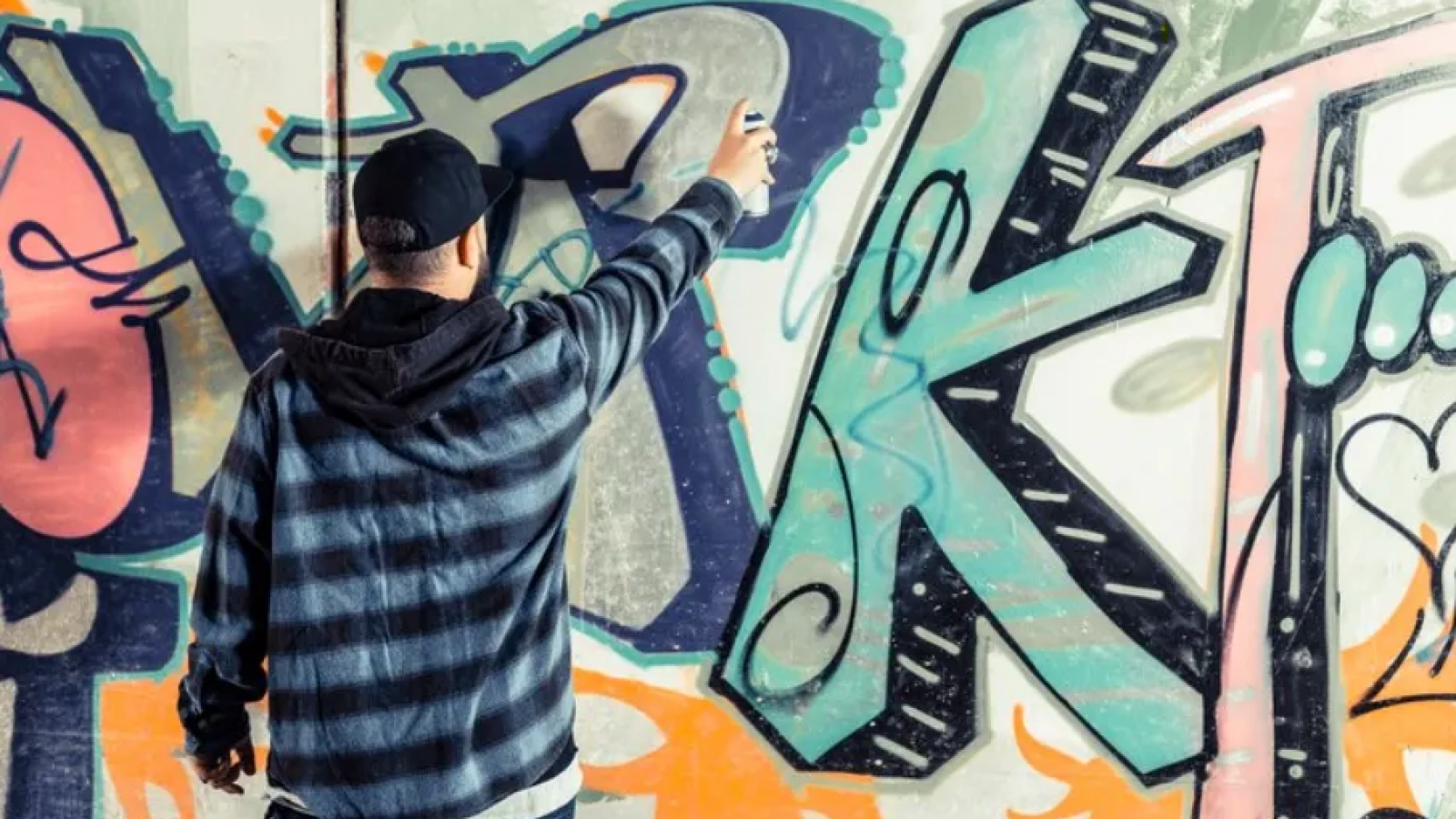
Street art refers to visual art created in public spaces. It can be murals, graffiti, or painted installations on walls, alleys, and buildings. Unlike gallery art, street art is freely visible to everyone at any time. It often reflects local culture, history, humour, and the creativity of artists.

In Singapore, street art blends local stories with global influences. Works range from colourful cultural murals to modern and playful pieces that invite visitors to stop and take pictures. This makes it perfect for photography lovers, art fans, and travellers who want a visual journey through the city.

Why Street Art Matters in Singapore

Street art adds character to urban spaces. It brings hidden lanes and backstreets to life. Many neighbourhoods have become art destinations because of their colourful murals and installations.

Artists, both local and international, contribute to Singapore’s vibrant street art scene, painting stories about heritage, daily life, and imagination. This art transforms ordinary walls into creative expressions that speak to both locals and visitors.

  • Cultural Storytelling: Murals often depict Singapore’s history, traditions, and local heritage, giving visitors insight into the city’s rich cultural fabric.
  • Community Engagement: Street art projects often involve local communities, encouraging participation and shared pride in neighbourhood spaces.
  • Tourism Attraction: Popular murals and art districts draw tourists, boosting local businesses and creating Instagram-worthy experiences.
  • Urban Beautification: Empty walls and alleyways are transformed into vibrant artworks, improving aesthetics and making the city more visually appealing.
  • Platform for Emerging Artists: Street art provides opportunities for new and independent artists to showcase their creativity without traditional gallery restrictions.
  • Inspiration and Creativity: Public art inspires both locals and visitors to explore their own creativity, encouraging artistic expression in everyday life.

Top Street Art Locations in Singapore

Here are some must-visit spots where you can experience street art up close and personal:

Haji Lane and Kampong Glam

Haji Lane, located in the Kampong Glam district, is one of the most famous places for street art in Singapore. This narrow lane was once filled with small shops and ancient architecture. Today, vibrant murals line both sides of the street, making it a popular place for photography.

The artworks include colourful abstract designs, cultural symbols, and playful illustrations by local artists. Many pieces reflect the history and energy of the area, blending artistic styles with traditions. Wandering through Haji Lane feels like walking through an open‑air art gallery.

Bali Lane and Ophir Road

Not far from Haji Lane is the Bali Lane and Ophir Road area, known as Southeast Asia’s first “Hall of Fame” for street art. Here, many walls are legally dedicated to murals and graffiti, making it a hotspot for painters and art lovers.

The back alleys are covered with bold and colourful works created by different artists, each telling a unique story. The space was developed to nurture local street art and provide a legal platform for artistic expression.

Chinatown

Chinatown is not just a cultural and food destination. It is also home to some of the most detailed and meaningful murals in Singapore. In the back lanes near Smith Street and Pagoda Street, you will find striking painted scenes.

Murals here often depict life in historic Singapore, including scenes of tradition, family, and local heritage. Some artworks pay homage to early life in the city and the cultural mix that shaped Singapore.

Little India

Little India is another area where vibrant street art celebrates cultural identity. Walk along Kerbau Road and nearby streets, and you will see murals that reflect local history and daily life. Some murals are playful and whimsical, adding bright spots of colour to the area’s already lively atmosphere.

Tiong Bahru

Tiong Bahru is a charming neighbourhood where street art blends with heritage architecture. Local artists like Yip Yew Chong have created murals that capture stories of life in Singapore over time, making it feel like an art walk through history.

These murals often depict everyday scenes or nostalgic images, making them perfect for photography and a casual stroll.

Joo Chiat and Katong

Along Joo Chiat Road and Tanjong Katong Road, you can find art that reflects Peranakan culture, colour, and community history. Many murals pay tribute to local heritage and contribute to the lively character of the neighbourhood.

These areas show how traditional culture can be blended into modern artistic forms.

Street Art Themes and Styles
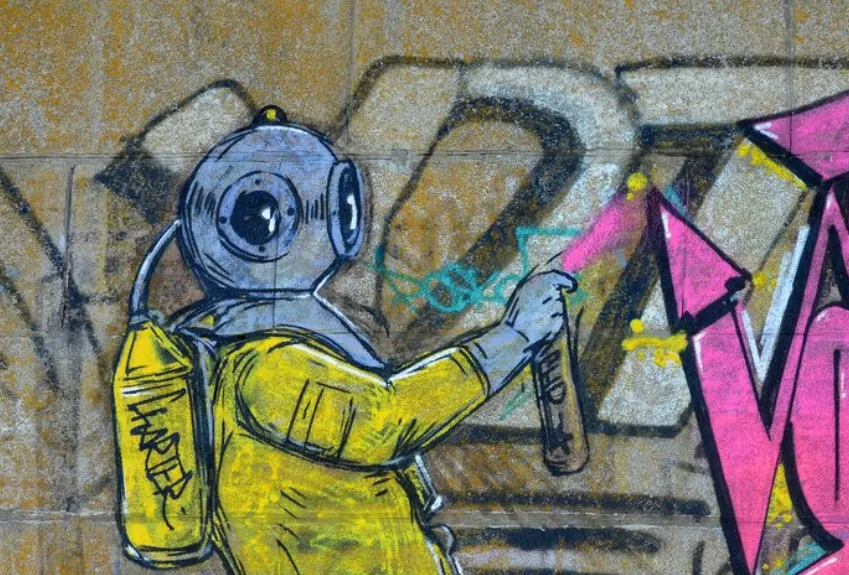
Street Art Themes and Styles

Here are some popular street art themes and styles you can spot:

Cultural Narratives

Many street artworks in Singapore tell vivid stories about local traditions, festivals, and heritage. Murals in Chinatown, Little India, and Joo Chiat often depict scenes from daily life, traditional celebrations, and historical events. These pieces serve as visual storytelling, connecting viewers to the city’s rich cultural tapestry.

For example, murals in Chinatown showcase hawker life, family gatherings, and iconic local architecture. In Little India, street art often celebrates religious festivals like Deepavali, with vibrant colours and symbolic motifs. These artworks allow residents and visitors alike to reflect on Singapore’s multicultural identity, creating a bridge between past and present while making the neighbourhoods visually engaging.

Key Features:

  • Historical References: Murals often highlight local history, making walls a canvas for storytelling.
  • Cultural Symbols: Use of traditional clothing, festivals, and rituals to communicate heritage.
  • Community Pride: Residents feel connected and proud when seeing their culture represented publicly.

Nature and Everyday Life

Some murals focus on scenes from nature and daily routines, offering a more lighthearted and relatable perspective. These artworks capture animals, plants, food, and simple everyday moments, creating an approachable and immersive experience.

For instance, along Tanjong Katong Road and some back alleys in Kampong Glam, you will find murals of sunbirds, tropical flora, and market scenes that depict Singaporean life. Artists often play with scale and perspective, blending realism with whimsical interpretation. These murals highlight the small joys of life while showcasing local flora and fauna, encouraging people to notice beauty in their surroundings.

Key Features:

  • Realistic and Relatable: Murals reflect everyday life or natural scenery familiar to locals.
  • Playful Visuals: Artists use humour, exaggeration, and bright colours to make ordinary subjects stand out.
  • Interactive Experience: Many murals invite visitors to pose creatively with the artwork.

Abstract and Modern Expression

In areas like Haji Lane, Bali Lane, and some alleys around Tiong Bahru, you will encounter modern and abstract street art. These works often combine bold colours, geometric shapes, and unconventional patterns to create eye-catching visual statements.

Abstract pieces may not tell a literal story but instead evoke feelings, ideas, or moods. Some murals incorporate optical illusions, layering, or mixed media, which encourage viewers to interpret the artwork in their own way. This style is often influenced by global street art movements, giving Singapore an international artistic identity while still blending local elements.

Key Features:

  • Bold Use of Colour: Vivid palettes make murals stand out even from a distance.
  • Symbolism and Conceptual Art: Pieces often represent abstract ideas or emotions rather than literal scenes.
  • Experimental Techniques: Artists may use spray paint, stencil work, or mixed media to create texture and depth.

Community Art

Community-driven murals are created with the participation of local residents, schools, or groups. These artworks often reflect shared stories, collective memories, or social initiatives, making them inclusive and meaningful.

For example, some murals in Kampong Glam and Tiong Bahru were developed through workshops with local residents, where participants contributed ideas or even painted parts of the mural. Community art encourages dialogue, celebrates neighbourhood identity, and strengthens social bonds. Visitors can often interact with these murals, adding a sense of involvement and personal connection to the art.

Key Features:

  • Collaborative Creation: Multiple artists or community members work together on a single piece.
  • Inclusive Themes: Reflects the experiences and stories of the people living nearby.
  • Social Awareness: Murals may highlight issues like environmental care, inclusivity, or heritage preservation.

Playful and Interactive Murals

Some street art in Singapore is designed specifically to engage viewers. These murals often use optical illusions, 3D effects, or playful scenarios to invite interaction. Visitors can pose with painted objects, step into scenes, or become part of the artwork itself.

For instance, in Haji Lane and Kampong Glam, you might find murals that appear to extend real-life objects into the wall or depict whimsical characters. This playful approach encourages social media sharing and brings a fun, youthful energy to the streets.

Key Features:

  • Interactive Design: Visitors can physically engage with the art.
  • Optical Illusions: Clever use of perspective creates visual surprises.
  • Social Media Friendly: Many murals are designed with photography and sharing in mind.

Contemporary Storytelling

Some street art blends traditional narrative with modern techniques. These works may combine text, photography, and painting to convey stories about current social issues, urban life, or Singaporean identity.

For example, murals in Chinatown sometimes mix historical scenes with contemporary imagery, showing the evolution of the neighbourhood over time. This approach allows artists to address current topics while grounding their work in the city’s cultural history. It also engages younger audiences by connecting art with modern concerns.

Key Features:

  • Narrative Layers: Combines old and new stories in a single visual.
  • Multimedia Techniques: Artists may integrate photographs, text, or digital art prints.
  • Urban Commentary: Murals offer a reflection on social or urban issues in a creative format.

How to Plan Your Street Art Tour
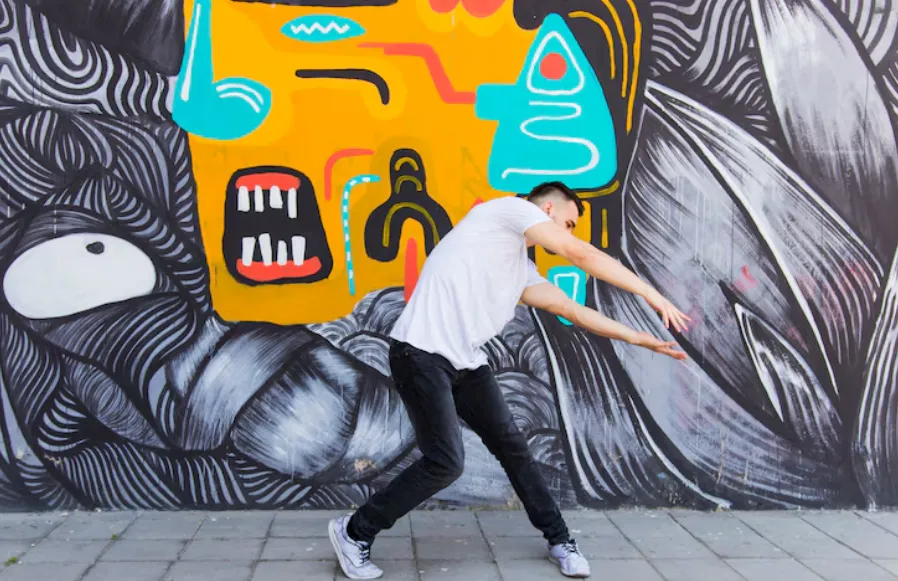
How to Plan Your Street Art Tour

Exploring street art can be done on walking tours or casual strolls. Here are some tips to make your visit enjoyable:

  • Start Early: Visit murals in the morning when streets are quieter. This gives you more space to view and photograph the art.
  • Use Public Transport: Singapore’s MRT and buses make it easy to reach art spots like Haji Lane, Chinatown, and Little India.
  • Wear Comfortable Shoes: Many murals are spread out across neighbourhoods, so be ready to walk and explore.
  • Take Breaks and Enjoy Local Food: The areas around street art are also filled with cafes and hawker centres. Pause for a meal or drink while soaking in the atmosphere.

Street Art-Inspired Activities

If you love art and want to dive deeper, Singapore offers creative activities that let you express yourself, too.

  • Art Jamming Workshops: These art jamming workshop events invite participants to paint freely on canvases with colours and brushes provided. They are great for visitors who want a hands‑on art experience.
  • Weekly Art Class Sessions: Some studios offer regular lessons like weekly art classes that explore painting techniques and creative expression, perfect if you want to learn more than just viewing art.
  • Ad Hoc Art Workshops: Look out for one‑off workshops focusing on specific themes, like mural making or urban art. These are great for beginners and tourists alike.
  • Adults Art Class Options: Many studios and community spaces in Singapore provide art classes for adults, helping you build skills while exploring creative forms inspired by street art.

Conclusion On Street Art In Singapore

Street art in Singapore offers more than just colourful walls. It reflects the city’s diverse cultures, history, and creative spirit. From Haji Lane to Chinatown and Little India, every mural tells a story worth exploring.

At Art Pazionate, we believe art connects people and places. If you are inspired by Singapore’s murals and want to try your own creative expression, contact us to explore our programmes and join our artistic community.

Frequently Asked Questions About Street Art In Singapore

Where Can I See Street Art In Singapore?

You can find street art in areas like Haji Lane, Chinatown, Little India, and Joo Chiat. Each neighbourhood has unique styles and stories painted on public walls.

Is Street Art Free To Visit?

Yes, most street art in Singapore is public and free to explore. You can walk around different districts and see murals without paying admission.

Can Tourists Take Photos Of Street Art?

Absolutely. Taking photos of street art is a popular activity for visitors. Be respectful and avoid blocking roads or entrances while capturing your shots.

Does Singapore Have Street Art Tours?

Yes, several guided and self‑guided tours focus on murals and public art routes. These tours help you learn more about the artists and the meanings behind the works.

Is Street Art Safe To Explore At Night?

Exploring during the day is best for safety and lighting. Many art areas are lively after dark, but day visits allow better appreciation of colours and details.
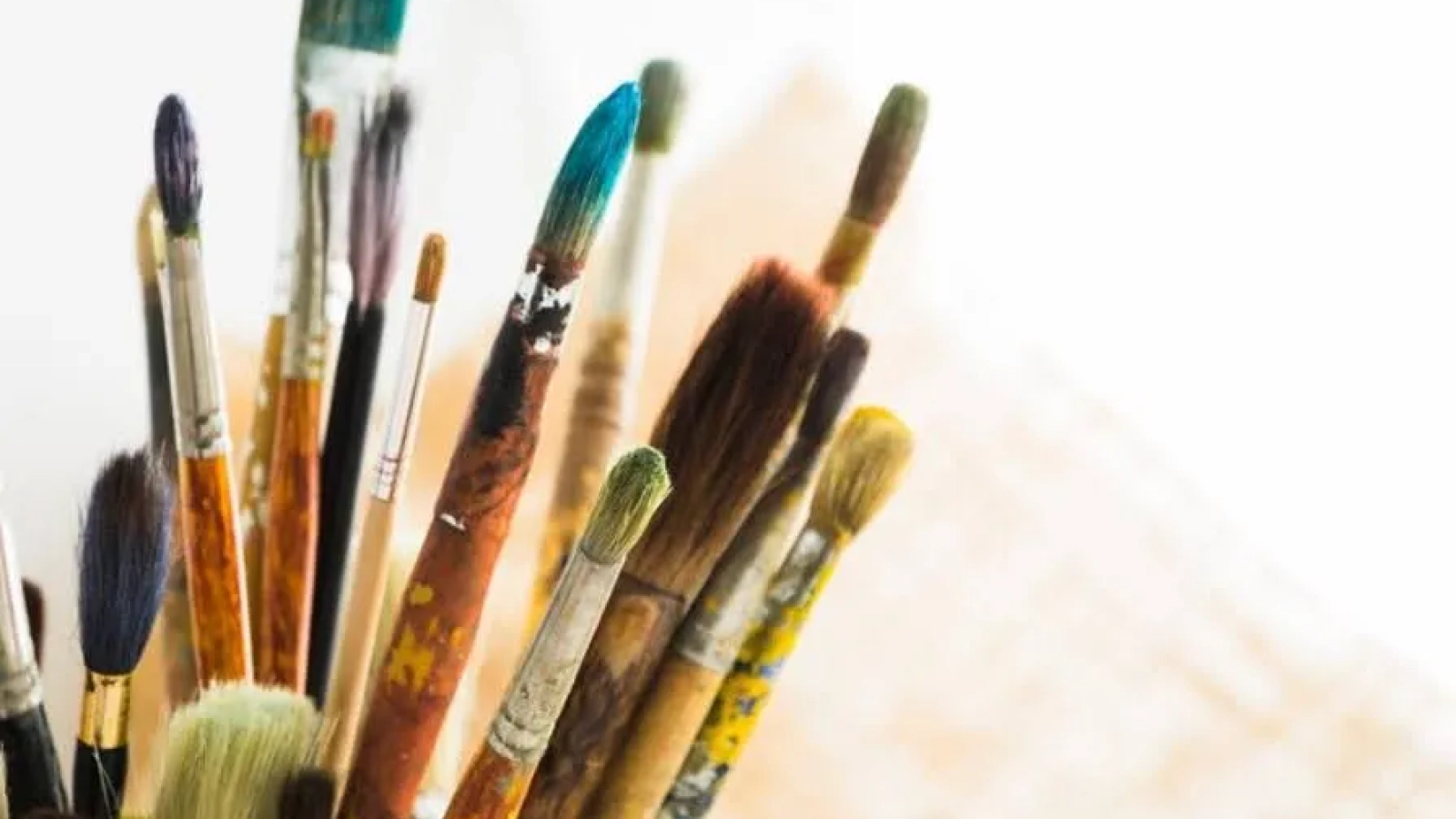
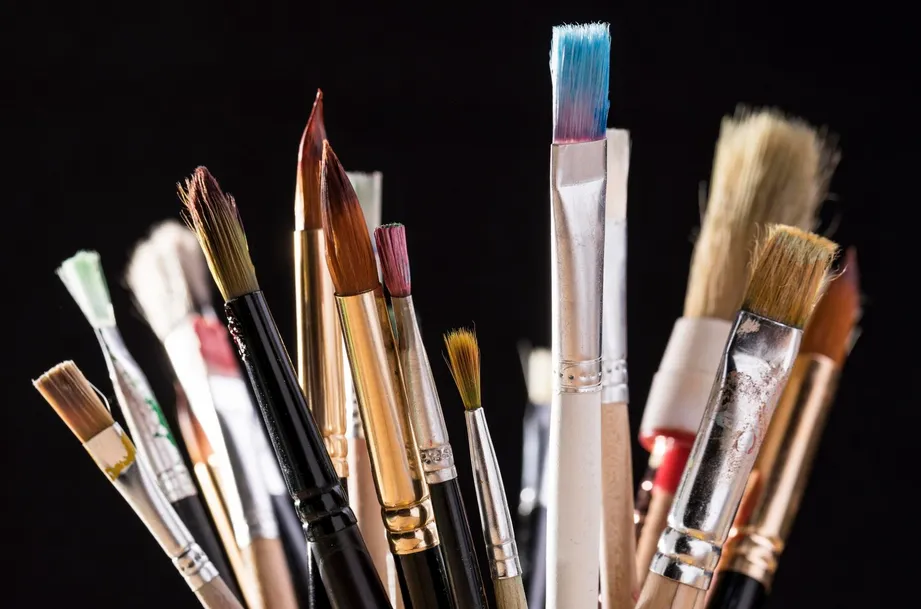
8 Paintbrush Types For Every Artist: A Beginner’s Guide

8 Paintbrush Types For Every Artist: A Beginner’s Guide

Choosing the right paintbrush can feel overwhelming when you first start painting. With so many shapes, sizes, and materials, it is easy to feel confused. But understanding the different paintbrush types is the first step to improving your painting skills and making your artwork look exactly how you imagine.

In this article, we will explore the main paintbrush types, their unique uses, and tips for beginners. Whether you are attending kids’ art classes, trying digital art, or joining an adult art class, knowing your brushes will help you create beautiful paintings with confidence.

What Are Paintbrush Types?

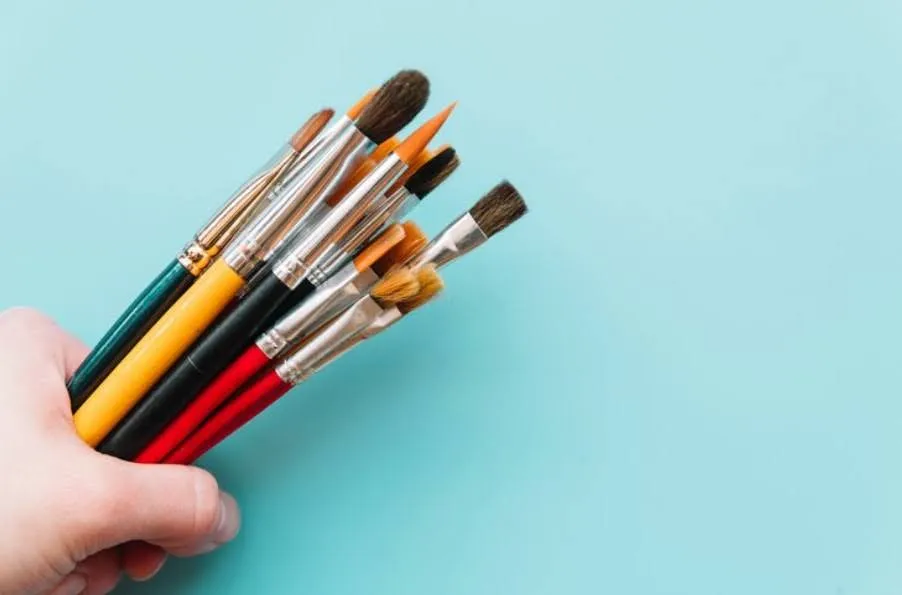
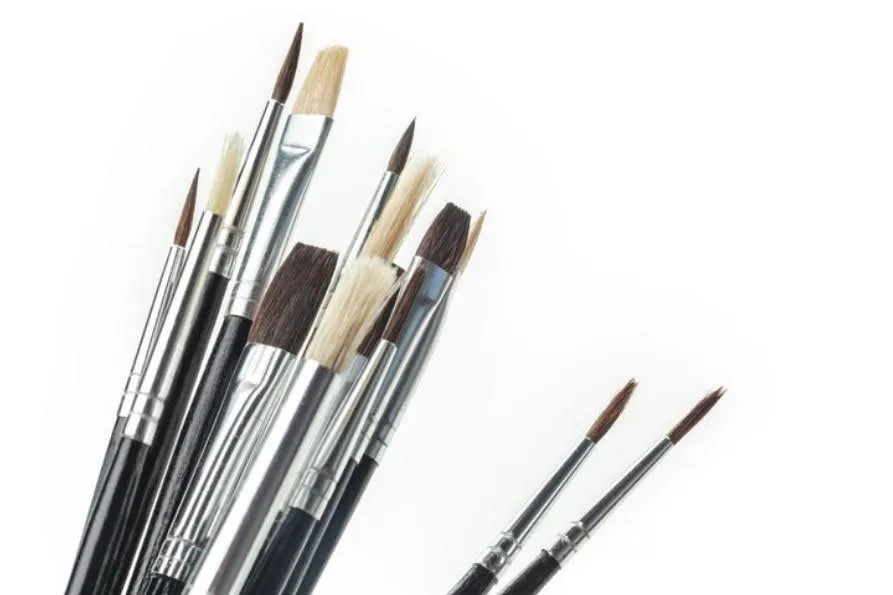
Paintbrush types refer to the different shapes, sizes, and materials of brushes used in painting. Each type serves a specific purpose, whether it is for fine detail, broad coverage, or texture. Brushes can be made from natural hair, synthetic fibres, or a combination, which affects how they hold and release paint.

Understanding paintbrush types allows artists to select the right tool for their medium and style. For example, a soft, round brush is perfect for delicate watercolour washes, while a stiff flat brush works well for acrylic or oil textures. By mastering your brushes, you gain more control over colour, texture, and detail in your work.

Key Features of Paintbrushes

  • Brush Shape: Shapes like round, flat, filbert, or fan determine the strokes and effects you can create.
  • Brush Size: Larger brushes cover more area, while smaller ones are used for detail.
  • Bristle Type: Natural bristles are softer and better for watercolour, synthetic bristles handle acrylics well.
  • Handle Length: Short handles suit studio work; long handles are ideal for easel painting.
  • Paint Holding Capacity: Some brushes hold more paint, reducing the need to reload frequently.
  • Flexibility and Spring: Determines how the brush responds to pressure, essential for precise strokes.

Common Paintbrush Types and Their Uses

Common Paintbrush Types and Their Uses

Choosing the correct brush for your painting style makes a big difference. Here are the most common paintbrush types used by beginners and professionals alike. Each brush has unique features that make it ideal for specific techniques.

1. Round Brush

Round brushes have a pointed tip and a cylindrical body, making them versatile. They can create thin lines or broad strokes depending on the pressure applied. Beginners often use round brushes for sketching outlines, painting details, or adding finishing touches.

Key Features:

  • Fine tip allows precision for small details
  • Rounded body holds a moderate amount of paint
  • Suitable for watercolour, acrylic, and oil

2. Flat Brush

Flat brushes have a rectangular shape with long bristles, perfect for covering large areas or making bold strokes. They are often used for backgrounds, washes, or geometric shapes. Flat brushes can also create sharp edges when used with the tip.

Key Features:

  • Ideal for broad strokes and filling spaces
  • Sharp edges allow precise line work
  • Works well for acrylic and oil painting

3. Filbert Brush

Filbert brushes are oval-shaped with a flat ferrule. This shape combines the benefits of round and flat brushes, offering soft edges with controlled strokes. Filbert brushes are excellent for blending, creating natural shapes, and making smooth transitions.

Key Features:

  • Soft, rounded tip for smooth blending
  • Perfect for natural elements like leaves or petals
  • Suitable for acrylic, oil, and tempera

4. Fan Brush

Fan brushes have a flat spread of bristles resembling a fan. They are ideal for texture and special effects, such as foliage, clouds, or waves. Beginners can use fan brushes to create patterns that are difficult to achieve with other brush types.

Key Features:

  • Spread bristles create texture and soft blending
  • Perfect for leaves, grass, or clouds
  • Works well with oil and acrylic paints

5. Mop Brush

Mop brushes have thick, soft, and round heads. They hold a lot of water or paint, making them perfect for watercolour washes or soft background gradients. Mop brushes are useful for large areas that require smooth blending.

Key Features:

  • Holds a lot of paint or water
  • Ideal for washes and soft gradients
  • Soft bristles prevent streaking

6. Detail Brush

Detail brushes are small with very fine tips, perfect for intricate work like facial features, fine lines, or small designs. These brushes require a steady hand and patience, but allow for precise and controlled strokes.

Key Features:

  • Extremely fine tip for small details
  • Requires careful handling for precision
  • Works with all types of paints

7. Angular Brush

Angular Brush

Angular brushes have slanted bristles that allow angled strokes. They are excellent for sharp corners, curved shapes, or controlled lines. Beginners find them helpful for painting objects with defined edges.

Key Features:

  • Slanted shape for angled or curved strokes
  • Perfect for edges and corners
  • Works with acrylic, oil, and gouache

8. Rigger Brush

Rigger brushes are thin and long, designed to hold paint for continuous fine lines. Traditionally used in watercolour and oil for painting rigging or branches, they are perfect for creating delicate, flowing lines.

Key Features:

  • Long, thin bristles for continuous lines
  • Ideal for fine branches or intricate patterns
  • Best with watercolour and ink

How to Choose Which Paintbrush to Use

How to Choose Which Paintbrush to Use

Choosing the right paintbrush type depends on your painting style, medium, and the effect you want to achieve. Making the right choice can make painting easier and more enjoyable.

Consider Your Medium

Different paints require different brushes. Watercolour works best with soft brushes that hold water, like round or mop brushes. Acrylic and oil paints are thicker and benefit from stiffer brushes, such as flats or filberts. Matching the brush to the medium ensures smoother application and better results.

Think About Your Technique

Your desired technique affects your brush choice. Use round brushes for detail and precision, flat brushes for bold strokes or washes, and fan brushes for texture. Consider whether you need blending, layering, or sharp lines, and pick a brush that allows you to achieve that effect.

Match Brush Size to Your Project

Large brushes cover more area and are ideal for backgrounds or big canvases. Small brushes are perfect for intricate details, such as facial features or fine lines. Choosing the right size helps maintain control and prevents unnecessary mistakes.

Experiment and Practice

Sometimes the best way to choose a brush is by trying different ones. Experiment with various shapes, sizes, and pressures to see which brushes feel comfortable and produce the desired effect. Over time, you will develop a personal preference for brushes that suit your style.

Tips to Prepare for Your Paintbrush Use

Before painting, preparing your brushes properly ensures the best results. Beginners should always take time to care for brushes and plan their techniques.

  1. Clean Brushes Properly: Rinse brushes in water or solvent to remove old paint before use.
  2. Condition New Brushes: Soften bristles with water or mild soap to prevent stiffness.
  3. Choose the Right Brush for Paint: Match the brush type to the medium, like soft bristles for watercolour.
  4. Test Strokes: Practice on scrap paper or canvas to understand how each brush behaves.
  5. Control Pressure: Adjust pressure to create thin or thick lines.
  6. Use Multiple Brushes: Keep different brushes for washes, details, and textures.
  7. Store Brushes Carefully: Store upright or flat to maintain shape and longevity.

DIY Learning vs Taking Art Class

DIY Learning vs Taking Art Class

Many beginners wonder whether to learn brush techniques on their own or join structured classes. Both options have benefits, and the choice depends on your goals and learning style.

DIY learning allows you to explore at your own pace, experiment with different brushes, and adapt techniques freely. It can be combined with online tutorials, books, or digital art platforms. However, it may lack feedback and structured guidance.

Art classes, such as kids’ art classes, adult art classes, or art jam sessions, offer professional guidance and structured exercises. Classes also allow you to observe others, learn new techniques, and ask questions in real time.

Benefits of DIY Learning:

  • Learn at your own pace without pressure
  • Experiment freely with brushes and styles
  • Suitable for online or home practice

Benefits of Taking Art Classes:

  • Professional guidance ensures proper technique
  • Opportunity to receive feedback and improve faster
  • Encourages social interaction and creative inspiration

Conclusion On Paintbrush Types

Understanding paintbrush types is essential for every beginner artist. Knowing which brush to use for specific techniques improves your painting control and creativity. From round and flat to fan and filbert, each brush has a purpose and adds a unique effect to your artwork.

At Art Pazionate, we offer art jam sessions, kids’ art classes, and adult art classes to help you explore different brushes and techniques. 

Contact us to join a class, try out new styles, and enhance your skills in a fun, supportive environment.

Frequently Asked Questions About Paintbrush Types

What Are the Most Important Paintbrush Types for Beginners?

Round, flat, filbert, and fan brushes are the most useful for beginners. These brushes cover most techniques, from broad strokes to fine details, making them versatile and beginner-friendly.

How Do I Choose the Right Paintbrush for My Medium?

Soft bristles work best for watercolour, while stiffer synthetic brushes handle acrylics and oils. Match the brush to your paint type for better control and results.

Can I Use One Brush for All Painting Techniques?

While possible, it is not ideal. Different brushes are designed for specific effects, and using the right brush ensures better texture, coverage, and precision.

How Should I Take Care of My Paintbrushes?

Clean brushes after every use, shape bristles carefully, and store them upright or flat. Proper care prolongs their life and maintains consistent performance.

Are Art Classes Necessary to Learn Brush Techniques?

Not mandatory, but classes offer structured guidance, feedback, and exposure to different paintbrush types. They help you learn faster and develop confidence in your skills.

Impasto: A Beginner-Friendly Guide To Thick Paint Techniques

Impasto: A Beginner-Friendly Guide To Thick Paint Techniques

Have you ever looked at a painting and noticed how some parts of it seem to jump off the canvas? Those thick, bold strokes of paint that create texture and catch the light are likely the work of impasto. But what exactly is impasto, and why do artists love using it to bring their work to life? If you’ve ever wondered how to make your paintings more vibrant and expressive, this guide is for you.

In this article, we will explore impasto in a simple and beginner-friendly way. You will learn what it is, its history, why artists use it, and how you can start experimenting with it yourself. Whether you want to try a solo practice at home or join an art jam, this guide will help you understand thick paint techniques clearly and confidently.

What Is Impasto?

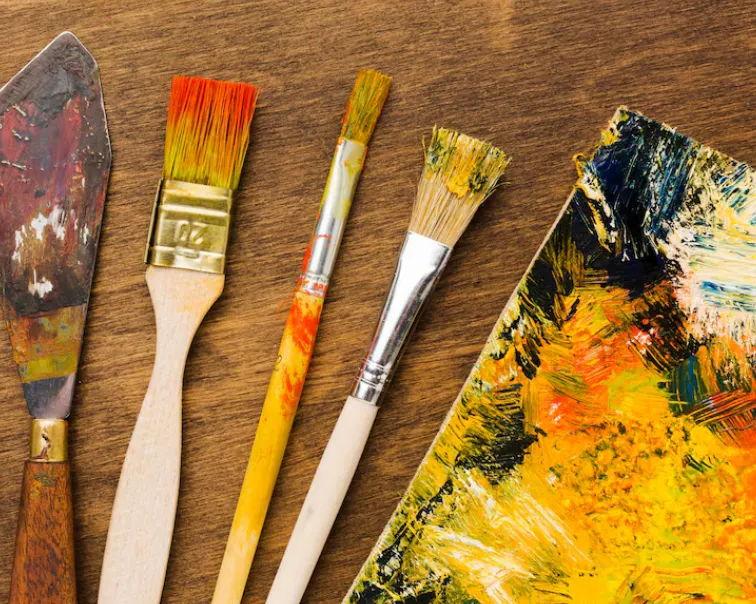
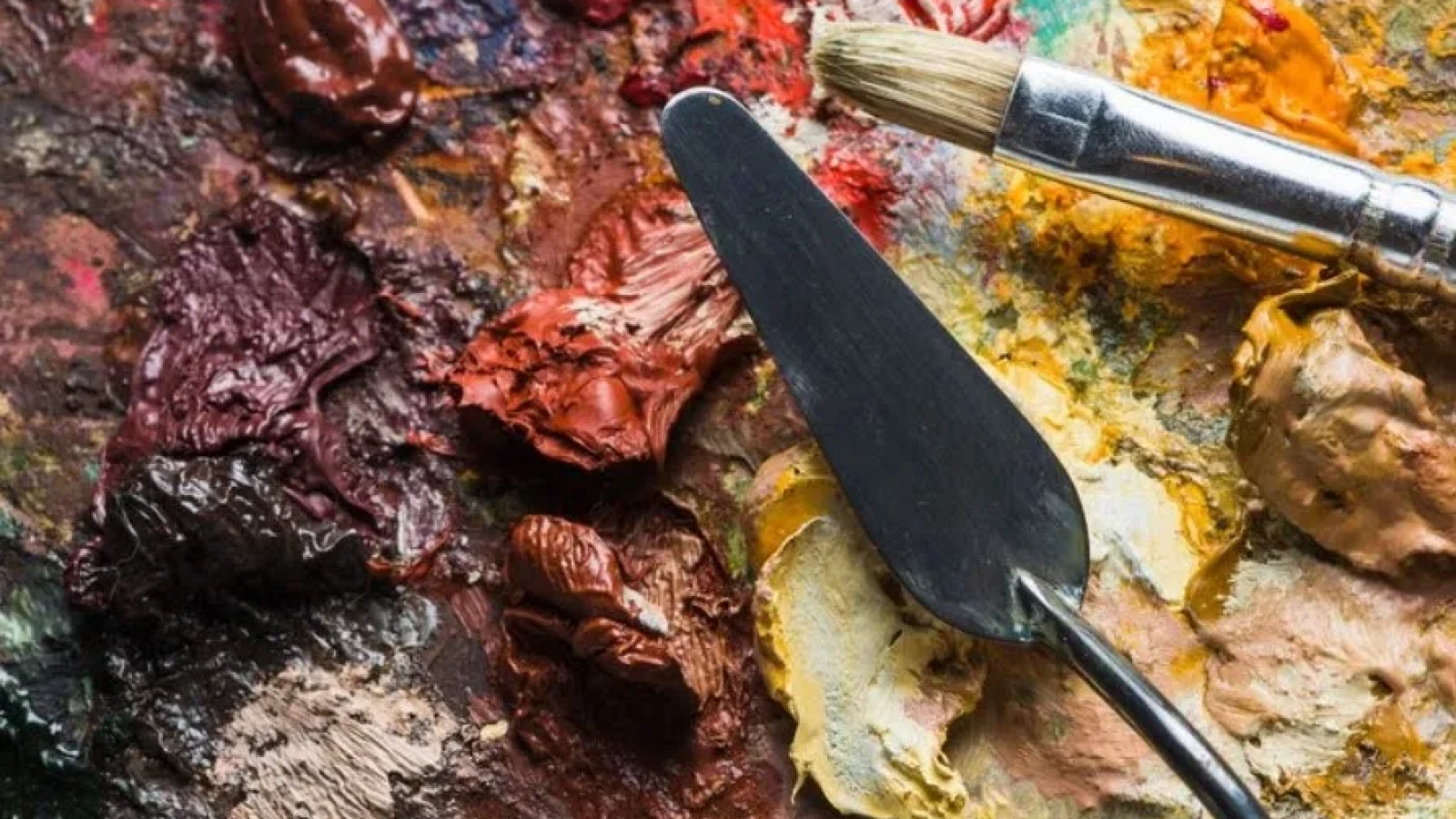
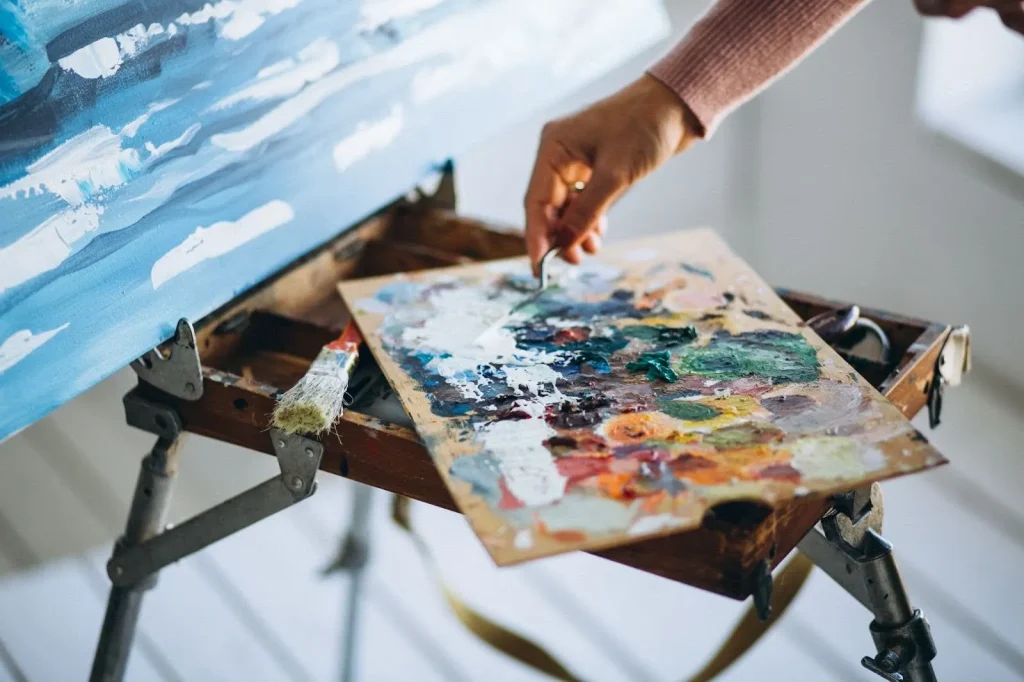
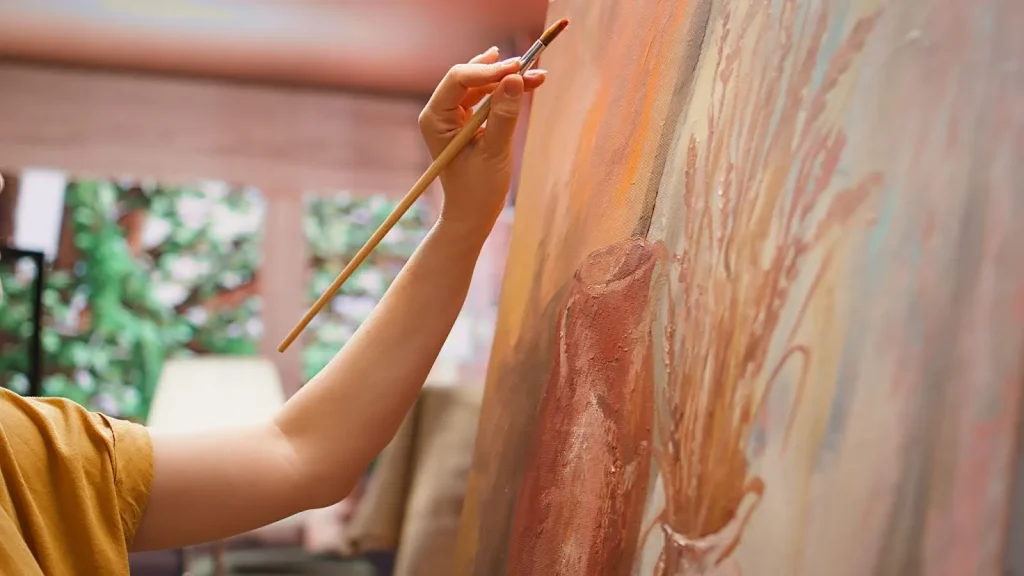
Impasto is a painting technique where paint is applied thickly to a canvas or board so that brush or knife strokes are visible. Unlike flat or smooth painting, impasto creates a three-dimensional texture that adds depth and movement to a piece. Artists often use this technique to make paintings feel alive and dynamic.

The thick layers of paint also interact with light differently than thin layers, creating shadows and highlights that change with the viewer’s perspective. Impasto allows artists to express emotion, energy, and creativity in ways that traditional flat painting cannot.

Key Characteristics Of Impasto:

  • Thick Paint Application: Paint is applied in heavy layers to create depth on the canvas.
  • Visible Tool Marks: Brush or palette knife strokes remain noticeable, adding texture.
  • Three-Dimensional Surface: The painting rises off the canvas for a tactile effect.
  • Light Interaction: Thick paint captures light differently, creating natural highlights and shadows.
  • Expressive Style: Impasto allows bold expression of mood and emotion through texture.
  • Layering Ability: Artists can build multiple layers for a richer, more complex appearance.

A Brief History Of Impasto

Impasto has been used for centuries by artists seeking to emphasise certain parts of a painting. Early Renaissance painters experimented with thick paint for dramatic effects, particularly in religious and historical scenes. They realised that texture could guide the viewer’s attention and convey depth.

During the 19th century, the technique became popular among Impressionist painters like Vincent van Gogh and Claude Monet. They used thick paint to capture the fleeting effects of light, movement, and emotion. By the 20th century, impasto became an essential tool for expressive and modern art styles.

Historical Importance Of Impasto:

  • Expressive Emphasis: Artists highlighted key areas using thick paint.
  • Emotional Impact: Texture added intensity to scenes, evoking strong feelings.
  • Visual Depth: Raised paint created a natural three-dimensional effect.
  • Break From Tradition: Impasto challenged the smooth, polished techniques of classical art.
  • Artistic Freedom: Artists could experiment with bold colours and strokes without constraint.

Why Artists Use Impasto

Why Artists Use Impasto

Artists choose impasto for its ability to bring a painting to life. The texture adds depth, motion, and a tactile quality that engages the viewer in a unique way. It also allows artists to focus on expression rather than perfection.

Below are some key reasons why impasto is so popular:

Expressive Emotion

Impasto allows artists to communicate strong emotions through texture and bold strokes. The thickness of the paint can convey excitement, energy, or even calm depending on how it is applied. Beginners often find it liberating because it encourages freedom rather than restraint.

Visual Depth

Thick paint adds a three-dimensional quality to a painting. Shadows and highlights are created naturally by the raised paint, giving the piece a sense of realism or dramatic impact. This makes the artwork more engaging for the viewer.

Highlighting Details

Artists can use impasto to emphasise certain areas of their work. Raised paint draws the eye, allowing the artist to guide attention to important elements in the composition. It’s like creating a visual focal point without extra effort.

Movement And Texture

Impasto can show movement in a painting, such as flowing water or swirling clouds. The texture adds energy and dynamism that smooth paint cannot replicate. This technique teaches beginners how texture itself can be expressive.

Enhancing Colour

Thick paint can make colours appear richer and more vibrant. The layers catch and reflect light, creating subtle variations in hue that flat painting may miss. Impasto encourages experimentation with bold colour choices.

Freedom To Experiment

Artists do not need to worry about perfection with impasto. Thick paint allows them to explore textures, strokes, and layering without fear of mistakes. Beginners find this technique ideal for building confidence in their skills.

Engaging The Viewer

The raised texture invites viewers to interact visually and emotionally with the painting. It makes the artwork feel alive and tactile, often leaving a lasting impression. Impasto encourages observation of both form and emotion.

Integration With Other Media

Impasto can be combined with other techniques like collage or mixed media. Artists layer paint with materials such as sand, fabric, or even digital textures for unique results. This opens up new creative possibilities, including experimenting in digital art.

Materials Needed For Impasto Painting

Materials Needed For Impasto Painting

Using the right materials helps beginners enjoy impasto without frustration. Different tools and paints produce different textures, and selecting the right ones is key.

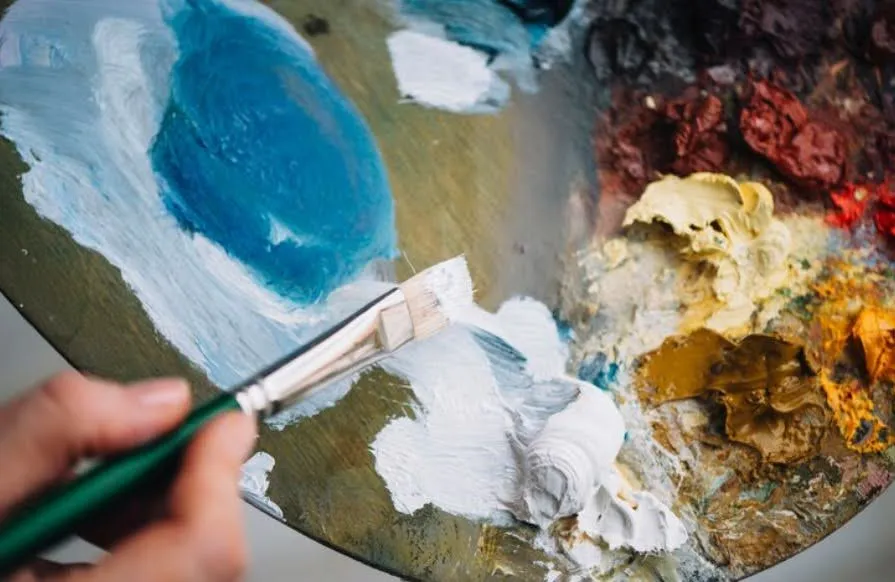
Heavy Body Paints

Thick acrylics or oil paints work best for impasto. These paints hold their shape and allow you to layer without sinking.

Palette Knives

Knives are ideal for applying thick paint and creating bold strokes. They give you control over texture and layering.

Sturdy Canvas Or Board

Thick paint needs support. Canvas, primed boards, or heavy paper can handle the weight of impasto without buckling.

Strong Brushes

Firm brushes hold thick paint and can create varied textures. Soft brushes tend to collapse under heavy paint.

Mediums And Additives

Texture gels and pastes can make acrylic paint thicker. They also extend drying time slightly, making it easier to manipulate paint.

Clean-Up Tools

Rags, water containers for acrylics, or turpentine for oils help keep your workspace tidy while experimenting.

Basic Impasto Techniques For Beginners

Starting with simple methods builds confidence. Focus on how the paint feels and moves, and gradually add complexity.

Single Stroke Application

Single stroke application is one of the simplest yet most effective impasto techniques. Here, thick paint is applied in one confident motion using either a palette knife or a stiff brush. 

The aim is to lay down a bold, unbroken line of paint that stands out on the canvas, immediately adding texture and dimension. This method is particularly useful for creating highlights or emphasising key elements in a painting.

Layer Building

Layer building involves applying multiple layers of thick paint to gradually construct depth and richness. Each new layer is added on top of a previous one, allowing shadows and highlights to emerge naturally from the texture. This technique gives paintings a dynamic quality, as the eye perceives depth and movement. It is excellent for landscapes, skies, and textured backgrounds.

Scumbling

Scumbling is the process of lightly dragging a dry brush across the surface of thick paint to create a rough, broken texture. Unlike smooth blending, scumbling leaves gaps where the base layer shows through, adding visual complexity and an organic feel. This technique works well for painting foliage, clouds, or textured backgrounds.

Palette Knife Smearing

Palette knife smearing involves spreading paint across the canvas using a knife, creating smooth, jagged, or layered textures. This method allows for bold, expressive strokes and can produce effects that brushes cannot achieve. Artists often use it to depict rough surfaces such as rocks, water ripples, or abstract elements.

Brush Impacts

Brush Impacts

Brush impacts involve pressing the tip, edge, or body of a brush into thick paint to create textured patterns. The direction, pressure, and type of brush determine the final effect. This technique can add rhythm and energy to a painting, perfect for impressionistic or expressive styles.

Colour Blocking

Colour blocking is the application of thick paint in separate blocks or patches to define areas of the composition. This technique allows the artist to create contrast, highlight forms, and guide the viewer’s attention across the painting. Thick layers emphasise colour relationships and make compositions more visually striking

Sgraffito

Sgraffito involves scratching into a wet layer of paint to reveal the underlying colour. This creates intricate patterns, fine lines, or textural effects without adding extra paint. It is particularly useful for details such as tree branches, hair, or architectural lines.

Blending Layers

Blending layers is the gentle merging of thick paint to achieve smooth transitions while retaining texture. Using a brush or knife, artists softly blend one colour into another, maintaining the three-dimensional qualities of impasto. This technique is ideal for painting gradients, skies, or subtle shading.

Common Mistakes To Avoid

Even beginners can create beautiful impasto if they know what pitfalls to avoid.

  • Too Thin Paint: Paint must be thick to hold texture. Thin paint flattens easily.
  • Overworking the Surface: Excess blending removes texture.
  • Weak Canvas: Unsupported surfaces may buckle or tear.
  • Ignoring Drying Time: Oils take longer; rushing can damage layers.
  • Using Soft Brushes Only: Firm tools are essential for texture.
  • Neglecting Lighting: Thick paint reacts to light differently; observe as you work.
  • Limited Colour Mixing: Over-mixing can dull vibrant impasto colours.
  • Not Experimenting: Fear of mistakes stops creativity; impasto encourages bold trials.

Conclusion On Impasto Painting Technique

Impasto is a fun and expressive painting technique perfect for beginners and experienced artists alike. Thick paint adds texture, depth, and emotion to every piece. It encourages experimentation, builds confidence, and makes art more tactile and engaging.

At Art Pazionate, we guide students to explore impasto through hands-on practice and supportive instruction. Whether you join a casual art jam, an Ad hoc Art workshop, or your own home practice, we can help you bring bold and expressive textures to life. 

Contact us to start your impasto journey today.

Frequently Asked Questions About Impasto Painting 

What Does Impasto Mean In Painting?

Impasto is the technique of applying thick paint to a canvas so that texture and brush strokes remain visible. It gives paintings depth and dimension.

Is Impasto Suitable For Beginners?

Yes, impasto encourages experimentation without worrying about mistakes. It helps beginners gain confidence while exploring texture and colour.

Which Paint Works Best For Impasto?

Heavy body acrylics and oil paints work well. They maintain texture and allow layering for rich visual effects.

Do I Need Special Tools For Impasto?

Palette knives, stiff brushes, and texture mediums help, but beginners can start with simple tools and learn as they experiment.

Can Impasto Be Combined With Other Art Techniques?

Yes, impasto works with collage, mixed media, and even digital art simulations to create texture and depth in modern projects.

Painting Styles Explained: A Simple Guide For All Levels

Painting Styles Explained: A Simple Guide For All Levels

Painting is one of the oldest and most enjoyable ways people express ideas, feelings, and stories. When you look at different artworks, you may notice that some paintings look very realistic, while others look colourful, playful, or even strange. These differences exist because artists use different painting styles to show what they want to communicate.

In this article, we will explore painting styles in a simple and easy way. You do not need any art background to understand this guide. We will explain what painting styles are, why they matter, and how beginners like you can start learning them with confidence and curiosity.

What Are Painting Styles?

Painting styles are the different ways artists use paint to create artwork. A style is shaped by how an artist paints, what they paint, and how they want viewers to feel when they see the artwork. Some styles focus on copying real life, while others focus on imagination or emotions.

Over time, artists developed new painting styles as the world changed. History, culture, and personal experiences all influence how artists paint. Learning about painting styles helps beginners understand why paintings look different and how each artwork tells a story in its own way.

Common Features Of Painting Styles:

  • Brushwork: Some styles use smooth strokes, while others show thick and rough brush marks.
  • Colour Choices: Colours may look natural, bright, dark, or emotional.
  • Subjects: Artists may paint people, nature, objects, or ideas.
  • Feeling: Paintings can feel calm, exciting, sad, or joyful.

Types Of Painting Styles

Painting styles help artists decide how to paint and what message they want to share. Each style has its own way of using colour, shapes, and techniques. Learning these styles helps beginners understand art better and build confidence.

Realism

Realism is a painting style that focuses on showing subjects exactly as they appear in real life. Artists carefully observe people, objects, and places before painting. They aim to make the artwork look natural and believable, with accurate details and proportions.

This style requires patience and careful study. Realism helps beginners learn how light, shadows, and textures work together. It teaches artists to slow down and pay attention to small details in their surroundings.

Key Features:

  • Accurate Details: Artists focus on realistic shapes, colours, and textures to match real life.
  • Natural Lighting: Light and shadow are used to create depth and realism.

Impressionism

Impressionism focuses on capturing the feeling of a moment instead of perfect details. Artists paint quickly using loose brush strokes to show how light and movement change throughout the day. Paintings often look soft and lively.

This style encourages beginners to observe colour and light rather than outline shapes clearly. Impressionism teaches that a painting does not need to be exact to feel real and meaningful.

Key Features:

  • Loose Brush Strokes: Paint is applied in visible strokes to show movement.
  • Light and Colour: Colours are used to capture sunlight and atmosphere.

Expressionism

Expressionism is a style that focuses on emotions and feelings rather than realistic appearance. Artists alter colours and shapes to express their inner thoughts. Paintings may look bold, dramatic, or intense.

This style allows beginners to paint freely without worrying about being correct. Expressionism helps artists communicate emotions through colour and form.

Key Features:

  • Emotional Colours: Strong colours are used to show feelings.
  • Distorted Shapes: Objects are altered to express emotion.

Abstract Art

Abstract Art

Abstract art does not show objects clearly or realistically. Instead, artists use shapes, lines, and colours to express ideas or moods. Viewers can interpret the painting in many different ways.

This style gives beginners complete creative freedom. Abstract art encourages imagination and helps build confidence in experimenting with ideas.

Key Features:

  • Non-Realistic Forms: Shapes and lines do not represent real objects clearly.
  • Open Interpretation: Viewers decide what the painting means to them.

Cubism

Cubism breaks objects into simple geometric shapes. Artists show different angles of the same object in one painting. This makes objects look fragmented and unusual.

Cubism helps beginners understand structure and form. It teaches artists to see objects from multiple viewpoints instead of just one.

Key Features:

  • Geometric Shapes: Objects are simplified into shapes like squares and triangles.
  • Multiple Perspectives: Different views appear in one artwork.

Surrealism

Surrealism mixes reality with imagination and dreams. Artists paint realistic objects but place them in strange or unexpected situations. The result feels mysterious and imaginative.

This style helps beginners explore storytelling and creative thinking. Surrealism encourages artists to turn ideas from dreams into visual art.

Key Features:

  • Dream-Like Scenes: Paintings feel unreal but detailed.
  • Unexpected Combinations: Ordinary objects appear in unusual settings.

Pop Art

Pop Art is inspired by popular culture and everyday life. Artists use images from advertisements, cartoons, and products. Colours are bright, and shapes are simple.

This style is easy to recognise and fun to create. Pop Art helps beginners understand how art connects to daily life.

Key Features:

  • Bold Colours: Bright colours attract attention.
  • Everyday Subjects: Common items are turned into art.

Digital Painting

Digital painting uses electronic tools instead of traditional brushes and canvas. Artists paint using tablets and computers while applying similar painting techniques.

This style is popular today and widely used in media and design. Digital art allows beginners to fix mistakes easily and experiment freely.

Key Features:

  • Digital Tools: Tablets and software replace physical materials.
  • Editable Layers: Artists can adjust and correct work easily.

Minimalism

Minimalism is a painting style that focuses on simplicity. Artists remove unnecessary details and use only a few colours, shapes, or elements. The goal is to create calm and balance rather than complexity.

This style teaches beginners that less can be more. Minimalism helps artists focus on composition, space, and meaning without feeling pressured to fill every part of the canvas.

Key Features:

  • Simple Forms: Paintings use basic shapes and limited elements to create meaning.
  • Limited Colours: A small colour palette helps keep the artwork calm and focused.

Folk Art

Folk art is a painting style that reflects culture, tradition, and everyday life. Artists often paint scenes from daily activities, festivals, or local stories. The style feels warm, personal, and familiar.

This style is usually created without strict rules or formal training. Folk art encourages beginners to tell stories from their own experiences and cultural background.

Key Features:

  • Cultural Themes: Paintings show traditions, customs, and daily life.
  • Handmade Feel: Artwork often looks simple and expressive rather than polished.

DIY Learning Vs Taking Art Class

DIY Learning Vs. Taking Art Class

Learning painting on your own can be fun and flexible. DIY learning allows beginners to explore painting styles at their own pace using books, videos, or practice at home. You can experiment freely and choose what to learn based on your interests. This approach works well for students who enjoy independent learning and self-discovery.

Taking adult classes offers structure and guidance. A teacher provides feedback, explains techniques clearly, and helps correct mistakes early. Classes also give students a chance to learn alongside others, which can boost confidence and motivation.

Key Differences:

  • Learning Structure: DIY learning is flexible, while art classes follow a planned lesson path.
  • Feedback: Art classes provide direct guidance, while DIY learners rely on self-review.
  • Skill Growth: Classes often help students improve faster through regular practice.
  • Motivation: Group learning can encourage consistency and confidence.

Tips To Prepare For Painting Style Class

Getting ready for a painting class helps beginners feel more confident and relaxed.

  1. Understand Basic Materials: Learn about brushes, paints, and paper so you feel comfortable using them.
  2. Try Different Styles: Exploring many styles helps you discover what you enjoy most.
  3. Observe Carefully: Look at artworks and notice colours, shapes, and details.
  4. Practise Often: Short practice sessions help build skills steadily.
  5. Ask For Help: Teachers and classmates can guide you when you feel unsure.
  6. Stay Positive: Learning art takes time and effort.
  7. Enjoy the Process: Focus on having fun rather than being perfect.

Many beginners enjoy learning through weekly art classes, which provide regular guidance and practice. Others join holiday art camps, which offer creative learning in a relaxed environment. There are also options like a class for adults, proving that learning painting styles is for everyone.

Conclusion On Painting Styles

Painting styles help artists express ideas in unique and meaningful ways. By learning about these styles, beginners can better understand art and develop confidence in their creativity. Each style offers new skills, perspectives, and inspiration.

At Art Pazionate, we believe learning painting styles should be enjoyable and supportive. We guide students with patience and care as they explore art at their own pace. 

If you are ready to start your creative journey, we welcome you to contact us and learn with us.

Frequently Asked Questions About Painting Styles

What Are Painting Styles?

Painting styles are different ways artists use paint to create art. Each style has unique features and techniques.

Why Are Painting Styles Important?

Painting styles help artists communicate ideas and emotions. They also help viewers understand artworks better.

Can Beginners Learn Multiple Painting Styles?

Yes, beginners can explore many styles. Trying different styles helps improve creativity and confidence.

Do Painting Styles Follow Rules?

Some styles have guidelines, but creativity is always encouraged. Artists can adapt styles freely.

How Long Does It Take To Learn Painting Styles?

Learning painting styles takes time and practice. Enjoy the process and grow at your own pace.

10 Types Of Canvas For Painting And Printing Explained

10 Types Of Canvas For Painting And Printing Explained

The sheer variety of types of canvas available can leave you feeling lost in the aisles of your local art supply store. This heavy-duty woven fabric serves as the soul of your painting, historically spun from hemp but now crafted from cotton or linen to grip your every brushstroke.

Few things are more discouraging than watching your hard work sag or warp because the support could not handle the layers of paint. A mismatch between your creative vision and your surface material can ruin even the most inspired piece before it dries.

This article explores the specific qualities of each fabric option to help you secure the longevity of your artwork. You will find the ideal foundation to support your medium and elevate your creative potential.

1. Cotton Canvas

Cotton is the most familiar and accessible surface for artists today. It provides a soft and reliable foundation that is easy to stretch over wooden bars. This makes it a favourite among students and professionals alike.

  • Best Use: It is excellent for students practising their technique. It is also one of the preferred types of canvas for painting with acrylics used in art jamming due to its flexibility.
  • Durability: It is moderately durable but can be prone to expanding or contracting with humidity changes.
  • Benefits: It is highly affordable and widely available in various weights and textures.

2. Linen Canvas

Regarded as the gold standard in the art world, linen is crafted from flax fibres which are longer and stronger than cotton. The material retains natural oils that preserve the fibre’s flexibility over decades.

  • Best Use: This is the ideal choice for professional portraits and archival oil paintings created in advanced adult art classes.
  • Durability: It offers exceptional longevity and resists warping better than many different types of canvas.
  • Benefits: It possesses a unique natural weave that adds character to the artwork and does not become brittle with age.

3. Synthetic Canvas

Modern synthetic canvases are typically engineered from polyester or nylon. These materials are created to overcome the limitations of natural fibres in specific environments. They provide a very uniform surface without the natural irregularities of flax or cotton.

  • Best Use: It is perfect for highly detailed work where a smooth grain is required. It is also suitable for humid climates where mould is a concern.
  • Durability: These fibres are highly resistant to mould, mildew and rot.
  • Benefits: It is chemically stable and does not shrink or expand significantly when wet.

4. Blended Canvas

Blended canvas combines natural fibres like cotton or linen with synthetic fibres. This creates a poly cotton mix that offers the best of both worlds. It aims to provide the aesthetic of a natural weave with the structural integrity of modern engineering.

  • Best Use: It is a practical choice for large scale works where sagging might be an issue with pure cotton.
  • Durability: It is tougher than pure cotton and resists creasing.
  • Benefits: You get the strength of synthetic canvas types at a more affordable price point than pure linen.

5. Hemp Canvas

Hemp was historically the original material used for canvas. In fact the word canvas is derived from cannabis. It is currently making a comeback as a sustainable option for eco conscious artists.

  • Best Use: It is great for rustic pieces where a coarse texture is desired.
  • Durability: It is naturally resistant to mildew and rot which makes it incredibly long lasting.
  • Benefits: It is environmentally friendly and offers a robust and rugged surface.

6. Jute Canvas

Jute is often known as burlap or hessian. It features a distinctively wide and rugged weave that is quite different from standard types of painting canvas. It has a raw and earthy aesthetic that appeals to texture lovers.

  • Best Use: It is suitable for broad and expressive applications or bold craft projects.
  • Durability: It is less durable than other options as it can become brittle and weaken over time.
  • Benefits: It provides a heavy texture that holds thick paint applications well.

7. Ramie Canvas

Ramie is a natural fibre known for its incredible strength and lustrous appearance. While it is less common than cotton or linen it is gaining attention. It is often resistant to bacteria and mildew.

  • Best Use: It is often found in blends for home textiles or fashion apparel that require stiffness.
  • Durability: It is one of the strongest natural fibres and holds its shape well.
  • Benefits: It adds a natural lustre and significant strength to different canvas types when blended.

8. Acrylic Canvas

Acrylic canvas is a synthetic fabric specifically designed for colour retention. It is distinct from standard polyester options found in art shops. It is engineered to withstand harsh weather conditions without fading.

  • Best Use: It is commonly used for marine covers, awnings and outdoor creative installations.
  • Durability: It has excellent resistance to UV fading and weathering.
  • Benefits: It maintains its colour vibrancy longer than most other materials.

9. Organic Cotton Canvas

This is the perfect choice for the environmentally conscious creative. It is produced without the use of synthetic pesticides or fertilisers. It maintains the classic feel of canvas types for painting while being kind to the planet.

  • Best Use: It is ideal for artists who want to align their materials with their sustainable values.
  • Durability: It offers similar strength and longevity to standard cotton duck.
  • Benefits: It reduces environmental impact and often has a softer texture.

10. Canvas Paper

Canvas paper offers a convenient alternative to woven fabrics. It is essentially heavyweight paper that has been embossed with a texture to mimic canvas. It allows beginners, such as those in kids art classes, to experience the feel of the medium without the expense.

  • Best Use: It is excellent for quick studies, colour testing and outdoor sketching.
  • Durability: It is less durable than woven fabric and is not intended for archival masterpieces.
  • Benefits: It is extremely portable, cost effective and requires no stretching.

Which Texture And Weave Should You Choose?

The “tooth” or texture of the canvas significantly impacts how paint is applied and how the final image looks. The weave dictates how much the paint grips the surface.

Plain Weave Vs Duck Weave

Plain Weave: This is a simple one over one pattern that creates a smooth surface, making it a popular choice among types of canvas for printing.

Duck Weave: This is a robust variation of the basket weave where two warp threads are treated as one. It creates a stronger and tighter fabric.

Texture Grades

Fine Texture: This is ideal for portraits and detailed work where a smooth finish is required. It allows for precise brushwork.

Medium Texture: This is a versatile surface that grips paint well. It is suitable for most painting styles.

Coarse Texture: This is best for heavy impasto work or broad brushstrokes. The weave adds to the overall aesthetic of the piece.

Understanding Canvas Weight And The Numbered Duck System

Canvas weight determines thickness and structural integrity which is usually measured in ounces per square yard. When comparing different canvas types, heavier weights are less likely to sag on large frames.

The Cotton Duck Numbering System

This system works in reverse so the lower the number the heavier the canvas.

#12 Duck: This is lightweight at approximately 5 oz. It is typically used for light bags or linings.

#10 Duck: This is medium weight at approximately 7 oz. It is the standard weight for artist canvases.

#1 Duck: This is heavyweight at approximately 18 oz. It is used for heavy industrial tarps and large rugged surfaces.

To Prime Or Not To Prime: Surface Preparations

Proper preparation prevents oil paints from rotting the canvas fibres. It ensures a stable surface for adhesion and longevity.

Primed Vs Unprimed

Primed: These are ready to paint immediately. The factory coating prevents paint absorption.

Unprimed: This raw canvas requires sizing and priming before use with oils. It protects the fabric from the acidity of the paint.

Types Of Primers

Universal Primer: This is an acrylic base suitable for both oil and acrylic paints.

Oil Primer: This contains zinc or titanium white bound with linseed oil. It is intended for oil paint only.

Alkyd Primer: This is a fast drying alternative to traditional oil primer.

Absorbent Primer: This is a water based chalk primer. It is ideal for tempera or watercolour applications.

3 Essential Canvas Formats

Types of painting canvas are sold in formats to suit different budgets and portability needs.

1. Stretched Canvas

Stretched canvas is pulled tightly over wooden bars to offer a responsive bounce when painting. You should look for curved bars to prevent ridges from appearing on your work.

2. Canvas Panels And Boards

These consist of primed canvas mounted onto a rigid board. They are lightweight and excellent for plein air painting or saving space in small studios.

3. Canvas Rolls

Rolls are sold by the metre or yard and are economical for large scale work. They require the artist to have the skills to stretch the canvas themselves.

Choosing The Right Canvas For Your Project

Selecting the right surface depends on your medium and your goals.

For Beginners: You should choose Cotton Canvas or Canvas Paper for affordability.

For Professionals: You should choose Linen Canvas for archival quality and superior surface feel.

For Outdoors: You should choose Synthetic or Acrylic Canvas for weather resistance and durability against the elements.

Conclusion About The Types Of Canvas

The canvas you select serves as the silent foundation for your entire artistic journey. Your choice of material and texture ultimately shapes the longevity and soul of your masterpiece.

Art Pazionate is here to help you master these essential artistic decisions. We provide personalized guidance within our intimate classes to help you unlock your unique creative potential. If you are ready to express your artistic vision, reach out to us today.

Contact us today to find out more about our art programs!

Frequently Asked Questions About The Types Of Canvas

What Is The Difference Between Cotton And Linen Canvas?

Cotton is affordable and easier to stretch, making it great for students, while linen is stronger, archival-quality, and preferred by professionals for its longevity.

Do I Need To Prime My Canvas Before Painting?

Yes, priming is essential to protect the canvas fibres from acidic oil paints and to provide a smoother surface for better paint adhesion.

What Is The Best Canvas For Beginners?

Cotton canvas or canvas panels are ideal for beginners because they are affordable, easy to find, and work well with both acrylic and oil paints.

Can I Use Oil Paint On Universal Primer?

Yes, universal (acrylic) primer is designed to accept both oil and acrylic paints, making it a versatile choice for most artists.

What Does The Number In Cotton Duck Mean?

The number indicates the weight of the canvas; the lower the number, the heavier and more durable the fabric is.

Is Synthetic Canvas Good For Painting?

Synthetic canvas, often made of polyester, is excellent for humid climates because it resists mould and does not warp like natural fibres.

Can I Reuse An Old Canvas?

You can paint over an old canvas by applying a new layer of primer or gesso, though the texture of the previous painting may still show through.

What Is Canvas Paper Used For?

Canvas paper is a textured, heavyweight paper perfect for practice sketches and studies without the cost or bulk of stretched canvas.