
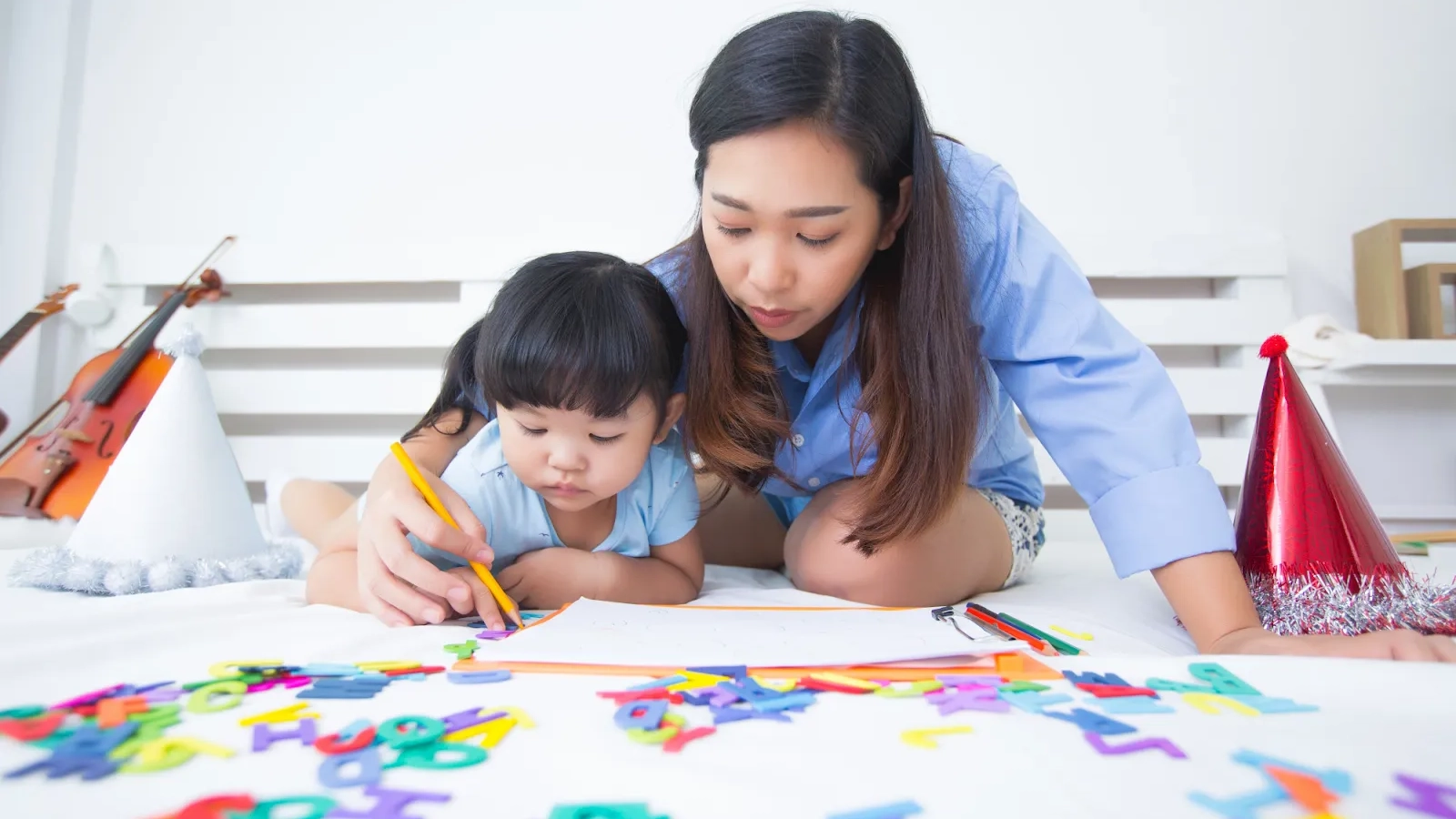
Art therapy is a recognised practice led by trained professionals, but many of the benefits of art therapy can also be experienced through simple creative activities at home or in guided art classes. While our studio does not offer clinical art therapy, we believe that art can be deeply therapeutic.
For children and adult beginners, activities such as painting or drawing can support emotional expression, build confidence, and encourage mindfulness.
Understanding the importance of art therapy helps parents and new artists appreciate how creative art nurtures well-being and provides a gentle space to explore feelings and ideas.
10 Advantages Of Art Therapy To Support For Kids And Beginner Adults
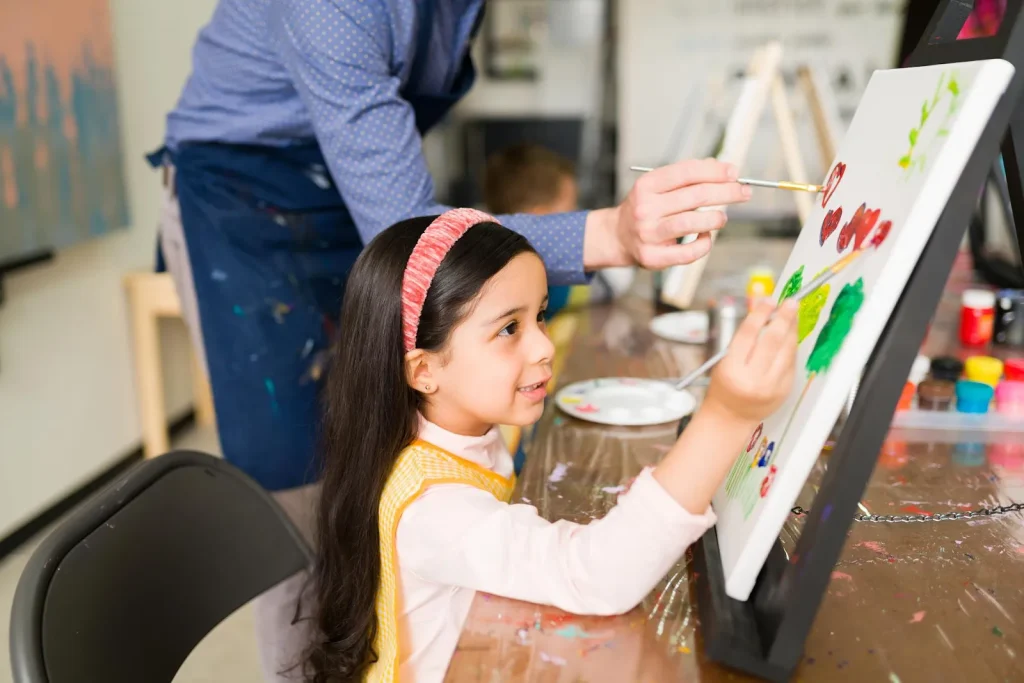
Creative art has long been recognised for its gentle, therapeutic qualities. While clinical art therapy is carried out by trained professionals, many of the same principles, such as emotional expression, mindfulness, and personal exploration, can be experienced through everyday art-making.
For children and adult beginners, engaging with paint, colour, or simple drawing tools offers a meaningful way to support emotional, cognitive, and personal development.
Below are ten commonly discussed benefits of art therapy, reframed through the lens of creative art and how it can nurture well-being in non-clinical settings.
1. Provides A Safe Way To Express Emotions & Inner Thoughts
Creative art offers a gentle and inviting space for children and adults to share what they feel, even when finding the right words is difficult. Young children, in particular, often struggle to articulate emotions such as frustration, excitement, sadness, or confusion.
Through drawing, colouring, or painting, they can express these feelings symbolically, using shapes, colours, and imagery to communicate their inner world in a way that feels natural and safe.
For adult beginners, creative art provides a similar release. Many adults carry emotions that remain unspoken due to stress, responsibility, or lack of time for self-reflection.
Engaging in art-making can help bring clarity to these feelings in a comforting, non-judgemental environment. Instead of being asked to explain or justify what they feel, individuals can simply create, allowing their artwork to reflect their emotions at their own pace.
2. Supports Emotional Regulation And Reduces Stress
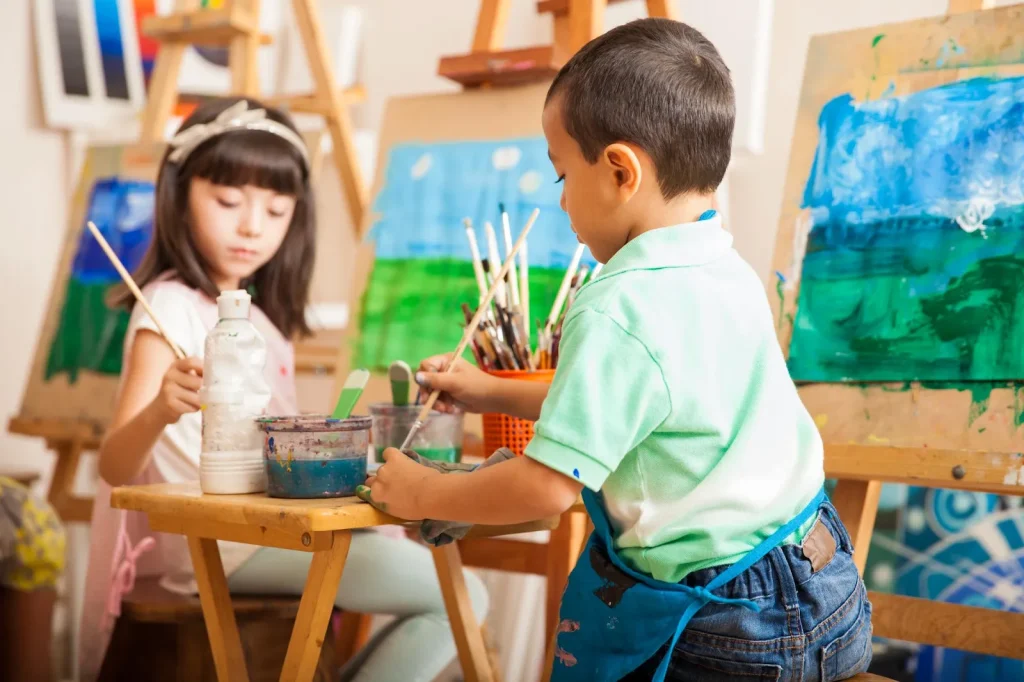
Art-making naturally encourages a calmer, more mindful state, something that benefits both children and adults in today’s fast-paced world.
The simple act of focusing on brush strokes, selecting colours, or exploring textures invites the mind to slow down. This shift in attention helps reduce overwhelm, making space for deeper breathing and a more relaxed mood.
For children aged 4–12, creative activities can provide an essential break from overstimulation, school pressures, or emotional frustrations.
When they become absorbed in the creative process, their bodies often relax, their breathing settles, and their thoughts become more focused. This helps them return to daily routines with greater balance and emotional steadiness.
Adult beginners also find that art-making serves as a soothing pause, a chance to disconnect from stress, technology, and the demands of everyday life.
The rhythmic motion of painting or the gentle repetition of sketching can create a meditative effect, easing tension and promoting a sense of calm. Many people describe feeling more grounded, centred, and refreshed after a creative session.
3. Builds Self-Esteem, Self-Awareness, And Confidence
Creative art offers a powerful way for children and adult beginners to build healthy self-esteem. For many young learners, completing an artwork gives them a tangible sense of achievement.
Seeing their ideas come to life on paper or canvas reinforces the belief that their thoughts and imagination matter. This validation is especially meaningful for children aged 4–12, who are still forming their sense of identity and discovering what they are capable of.
Exploring personal ideas through colour, shapes, and imagery also nurtures self-awareness. As children experiment with different materials or themes, they learn more about their interests, preferences, and natural strengths.
Adult beginners experience similar benefits, creative art often becomes a mirror that reveals emotions, styles, and personal stories that may have gone unnoticed.
Over time, noticing improvement in their skills or observing bolder creative choices helps individuals develop confidence not only in their art but in themselves.
4. Improves Communication & Social Skills, Especially In Kids
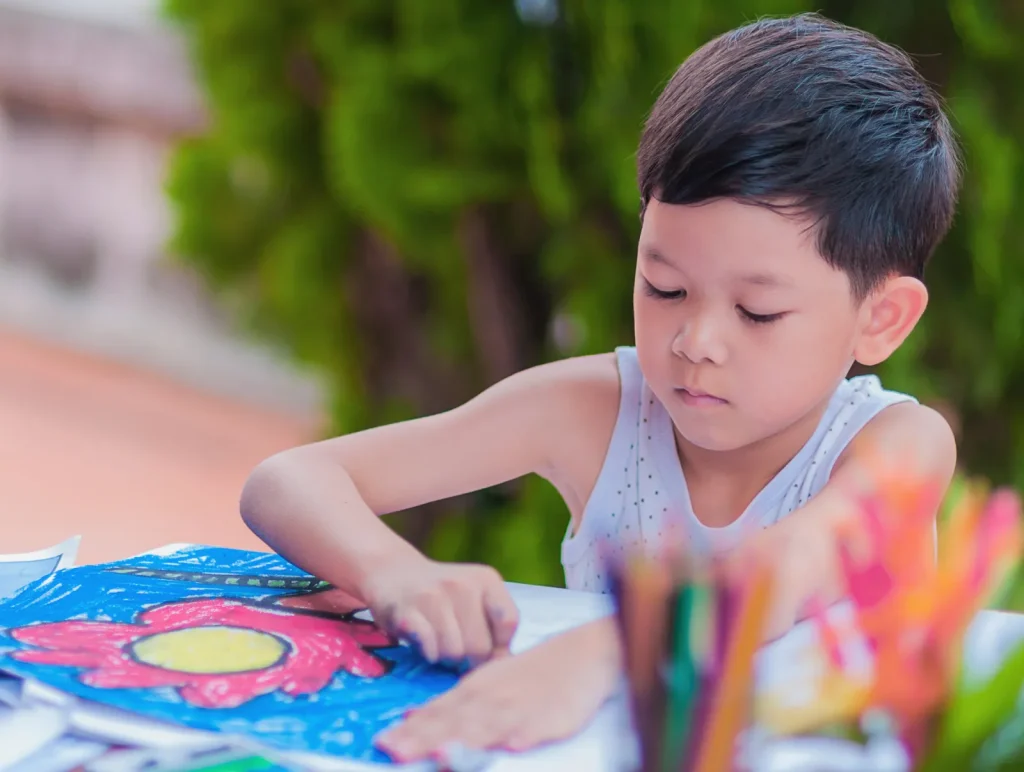
Art provides a meaningful way for children to express their thoughts and needs visually, especially when verbal communication feels challenging.
A child may find it easier to draw how they feel rather than explain it with words, giving parents and caregivers valuable insight into their emotions. This visual expression helps children feel heard and understood, even in moments when language is not enough.
In group art settings, communication strengthens further. As children share materials, discuss ideas, or observe each other’s artwork, they naturally practise important social skills.
They learn to take turns, collaborate, and appreciate different perspectives, all within a relaxed, creative environment. These interactions help build empathy and encourage children to listen, respond, and engage with others in a supportive way.
For adult beginners, group sessions also foster a sense of community. Creating alongside others often leads to meaningful conversations, shared inspiration, and gentle encouragement.
These social exchanges build confidence and help individuals feel more comfortable expressing themselves both artistically and personally.
5. Stimulates Cognitive Development And Creativity
Creative art plays a meaningful role in supporting cognitive development for both children and adult beginners. When children draw, paint, or experiment with different art materials, they activate multiple areas of the brain responsible for problem-solving, decision-making, and imaginative thinking.
Choosing colours, planning compositions, and deciding how to bring an idea to life help them practise critical thinking in a playful and engaging way.
These experiences also strengthen fine motor skills and hand–eye coordination, as children learn to control their tools with increasing precision. Over time, this combination of creative decision-making and physical coordination contributes to sharper cognitive functioning and improved confidence in their abilities.
For adult beginners, engaging with art can reignite curiosity and stimulate creative thinking that may have been overshadowed by daily responsibilities.
Art-making encourages the mind to explore new possibilities, visualise ideas, and approach challenges from fresh perspectives. This mental flexibility supports cognitive health and nurtures creativity, offering a refreshing space for personal growth.
6. Helps Process Trauma, Grief, Or Complex Life Experiences
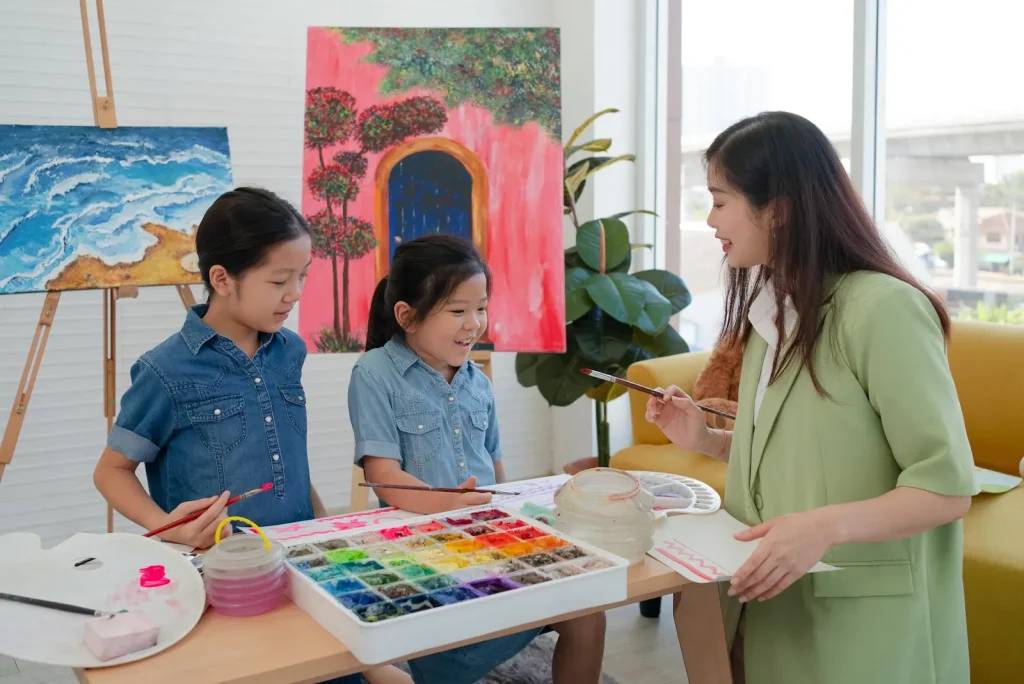
Art can serve as a gentle and reflective outlet for individuals navigating difficult emotions such as grief, loss, or challenging life events.
For children, feelings can often feel overwhelming or confusing, and art provides a comforting way to express these emotions without the pressure of finding the right words. Through colours, shapes, or symbols, they can release what they feel in a way that feels safe and manageable.
Adult beginners may also find creative art helpful during emotionally heavy periods. Creating something with their hands can offer a moment of calm, allowing them to slow down, reflect, and process thoughts that may otherwise stay bottled up.
The meditative nature of art-making helps individuals express their inner experiences at their own pace, offering clarity and emotional relief.
It is important to acknowledge that creative art is not a replacement for clinical therapy or professional mental health support. Instead, it acts as a complementary activity, a soothing and personal space where feelings can be explored gently.
7. Encourages Self-Discovery, Identity Development, And Personal Growth
Creative art offers children and adult beginners a meaningful pathway to explore who they are. As they experiment with colours, themes, and materials, they begin to uncover personal preferences, strengths, and unique ways of thinking.
For children, this exploration plays an important role in identity development. At this age, they are forming opinions, recognising emotions, and discovering what excites or inspires them. Art helps them express these discoveries in ways that feel natural and enjoyable.
Through creative choices, such as selecting a subject, deciding how to portray a feeling, or choosing a particular style, individuals learn more about their inner world. This process fosters self-awareness and invites gentle introspection.
For adult beginners, especially those returning to art after a long break, this journey can feel grounding and empowering. Art becomes a private space where they can reconnect with parts of themselves that may have been overlooked amid daily responsibilities.
8. Boosts Emotional Well-Being, Lower Anxiety, Depression, Improved Mood
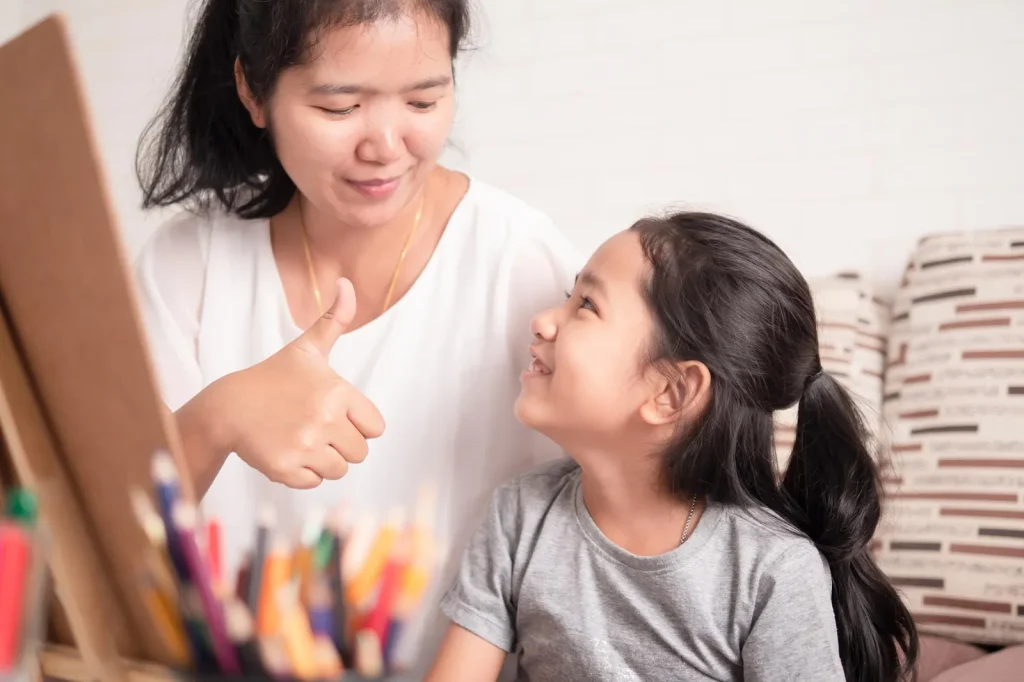
Creative art can play a comforting role in supporting emotional well-being for both children and adults. The simple act of painting or drawing often brings a sense of calm, offering individuals a break from overwhelming thoughts or stressful environments.
For children, art provides a positive outlet where they can channel energy, excitement, or frustration into something colourful and expressive, which naturally helps stabilise mood.
Engaging in art-making also stimulates the release of positive feelings. Many people experience a sense of joy when playing with colour, exploring textures, or bringing an idea to life.
This uplifting effect is particularly helpful for adult beginners, who may be juggling work, family, and personal pressures. Creating art allows them to shift their attention toward something soothing and enjoyable, offering a moment of mental rest.
9. Creates A Safe, Non-Judgmental Space, Good Even For Beginners
Creative art provides a welcoming environment where children and adults can explore freely without fear of making mistakes. In this space, there is no “right” or “wrong” way to create, only personal expression. This is especially encouraging for beginners who may feel unsure about their abilities.
Instead of focusing on technical perfection, the emphasis is placed on exploration, enjoyment, and discovering one’s own creative style.
For children aged 4–12, this supportive atmosphere is invaluable. They can experiment with colours, shapes, and techniques at their own pace, building confidence as they see their ideas take form.
Because there is no judgement or comparison, they feel comfortable trying new things and expressing themselves more openly.
Adult beginners benefit in much the same way. Many adults carry the belief that they are “not artistic,” which can hold them back from creative activities. A non-judgmental space allows them to relax, let go of self-doubt, and reconnect with the simple joy of creating.
Over time, this freedom fosters a sense of empowerment, helping individuals embrace creativity as a natural and rewarding part of their lives.
10. Can Support Broader Well-Being: Social Connection, Resilience, Coping Skills
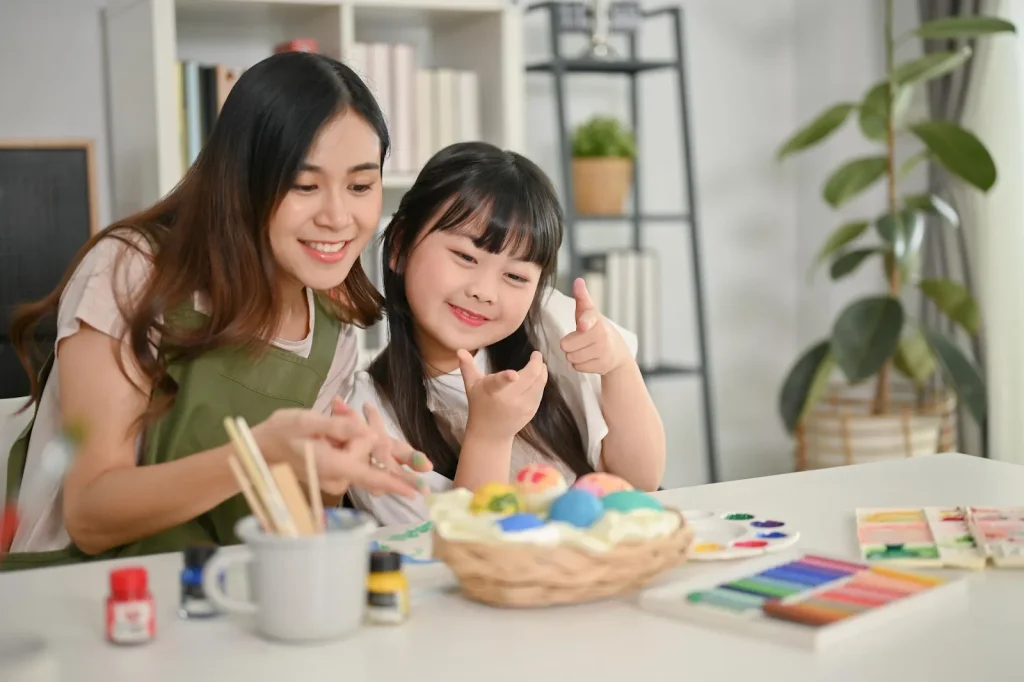
Engaging regularly in creative art can positively influence broader aspects of emotional and social well-being. Group art sessions, family art activities, or studio classes create opportunities for meaningful connection.
Children learn to share materials, cooperate on ideas, and appreciate each other’s creativity, which strengthens their social confidence. These interactions help them develop empathy, communication skills, and a deeper understanding of teamwork.
For adult beginners, creative classes often become a place to unwind and meet others with similar interests. Sharing a creative space fosters a sense of belonging and community, reducing feelings of isolation and offering a supportive environment where individuals can grow together.
Art also nurtures resilience and healthy coping skills. The process of working through creative challenges, choosing colours, adjusting mistakes, or sticking with a project, mirrors real-life problem-solving.
This helps both children and adults build patience, adaptability, and persistence. Additionally, art provides a healthy emotional outlet, giving individuals tools to manage stress and express complex feelings gently and constructively.
Why Art Therapy Is Important?
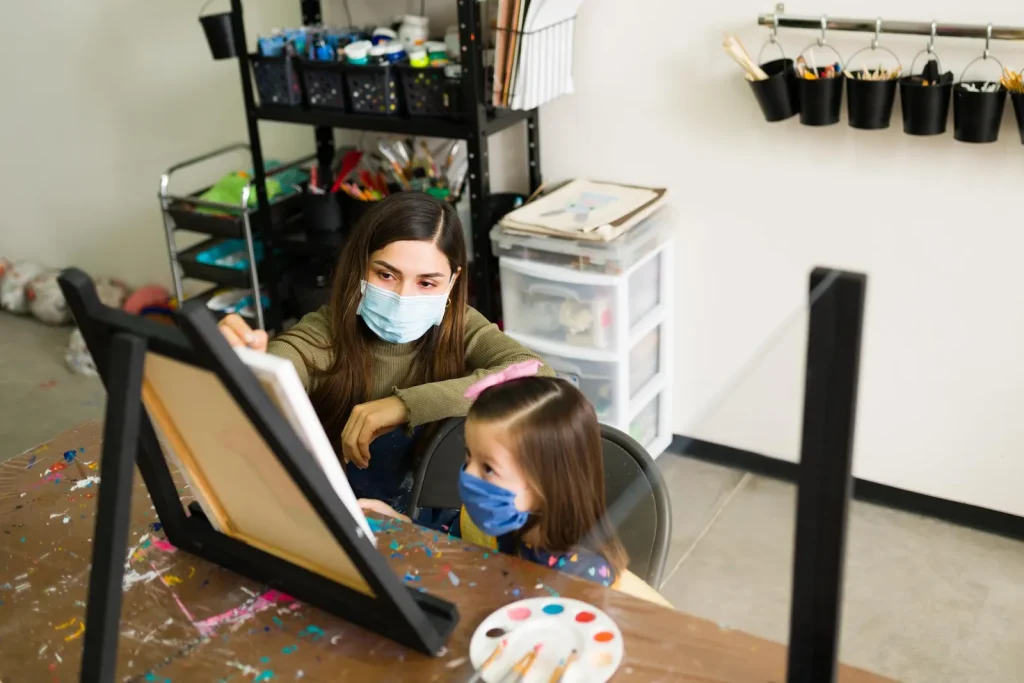
Art therapy is recognised for its ability to support emotional expression, reflection, and personal understanding. Its core principles, using creativity to explore feelings, make sense of experiences, and express thoughts visually, are valuable for people of all ages.
While clinical art therapy is practised by trained, certified professionals, many of the underlying benefits can also be experienced through everyday creative art-making.
It Provides A Safe, Non-Verbal Outlet For Emotions And Self-Expression
Many individuals, especially young children, find it challenging to express their emotions using words alone. Feelings such as confusion, sadness, excitement, or anxiety can be difficult to articulate verbally.
Creative art offers a comforting alternative, a safe, non-verbal channel through which emotions can be released and explored. A child might use bold colours to express excitement, softer tones to show calmness, or abstract shapes to communicate a feeling they cannot fully describe.
For adults, creative expression can be equally powerful. Life’s responsibilities often make it harder to pause and process emotions.
Drawing, painting, or simple mark-making encourages individuals to step back, slow down, and let feelings emerge naturally through their artwork. This gentle form of emotional expression helps people feel seen, understood, and supported, without needing to explain every detail.
It Supports Mental-Health And Emotional Well-Being: Stress Relief, Regulation, Self-Awareness
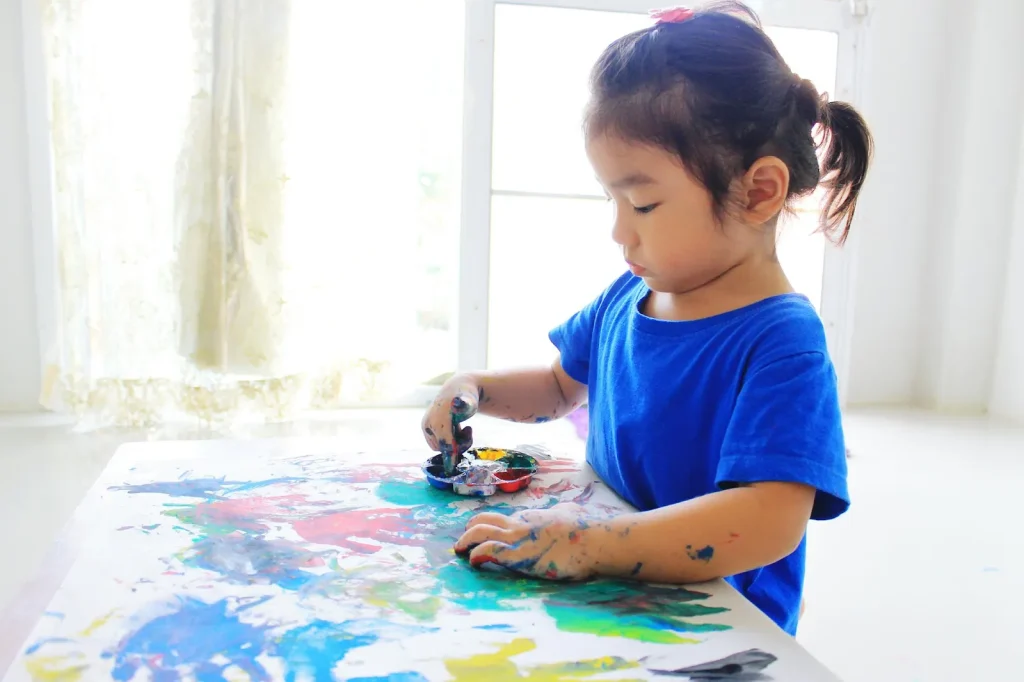
Art-making naturally encourages a sense of calm and mindfulness. The simple act of focusing on colours, textures, or brushstrokes shifts attention away from stressors and onto the present moment.
For children, this can help regulate emotions and bring balance back into their day. They learn to slow down, breathe more steadily, and engage in a soothing activity that helps them regain control during emotionally overwhelming moments.
Adult beginners also benefit from this mindful focus. Creative art provides a peaceful pause from busy routines, work pressures, and digital noise. The rhythmic movements of painting or drawing can reduce mental tension, helping individuals feel lighter, more grounded, and emotionally refreshed.
Engaging in this reflective process also nurtures self-awareness. As people create, they often uncover patterns, what calms them, what excites them, or what themes they naturally gravitate towards. This deeper understanding supports emotional well-being and encourages a more mindful approach to everyday life.
It Promotes Personal Growth, Self-Discovery, And Resilience, Beyond “Just Art”
Creative art encourages people to explore who they are and how they see the world. Through experimenting with different ideas, materials, and styles, individuals gain insight into their interests, values, and emotional responses.
This journey of self-discovery is especially meaningful for children, who are still forming their identities and learning what makes them unique. Artistic exploration helps them recognise their strengths, express their individuality, and feel proud of what they create.
For adult beginners, creative art often becomes a rediscovery, a chance to reconnect with parts of themselves that may have been set aside due to responsibilities or self-doubt.
Creating something from scratch fosters resilience, teaching people to embrace mistakes, adapt to challenges, and persevere through the creative process. These lessons naturally transfer into everyday life, supporting personal growth and emotional strength.
Conclusion About The Importance Of Art Therapy
Understanding the benefits of art therapy and the wider importance of art therapy helps us see how creative activities can gently support emotional expression, confidence, and personal growth, even outside clinical settings.
At Art Pazionate, we create a nurturing environment where individuals of all ages can grow their artistic potential. Instead of copying templates, our students are encouraged to think creatively, express freely, and infuse their own ideas into their artworks.
While we do not offer clinical art therapy, we believe that art can be deeply therapeutic. For children and adult beginners, engaging in painting, drawing, or mixed-media activities provides a calming space to explore feelings, build resilience, and discover their creative voice.
Explore our thoughtfully curated programmes, from weekly kids, teens, and adults art classes to holiday workshops, mindfulness art sessions, and corporate art events, all designed to celebrate your unique artistic journey.
Contact Art Pazionate via WhatsApp or our contact form to get started, and enjoy a free trial class when you sign up for an 8- or 16-lesson package on the same day.
Frequently Asked Questions About The Importance Of Art Therapy
Does Creative Art Offer Similar Benefits Of Art Therapy At Home?
Yes. Simple activities like drawing or painting at home can offer some benefits of art therapy, such as emotional expression and relaxation, even outside formal therapy.
Are The Benefits Of Art Therapy Useful For Children Who Struggle With Concentration?
Yes. Many children find creative activities engaging and calming, which may naturally support focus and attention through hands-on exploration.
Can Adult Beginners Experience Personal Growth Through Creative Art Classes?
Absolutely. Many adults discover new interests, improved confidence, and emotional clarity through consistent creative practice.
When Do The Benefits Of Art Therapy Usually Become Noticeable In Beginners?
This varies, but many children and adults begin to experience positive changes, such as relaxation or increased confidence, after only a few creative sessions.
Do Creative Art Activities Help Children Build Independence?
They can. As children make choices, experiment with materials, and complete artworks, they naturally develop independence and self-trust.
Should Parents Encourage Creative Art If Their Child Is Shy Or Hesitant?
Yes. Creative art can provide a gentle, pressure-free environment where shy children feel safer expressing themselves.