
Choosing the right paintbrush can feel overwhelming when you first start painting. With so many shapes, sizes, and materials, it is easy to feel confused. But understanding the different paintbrush types is the first step to improving your painting skills and making your artwork look exactly how you imagine.
In this article, we will explore the main paintbrush types, their unique uses, and tips for beginners. Whether you are attending kids’ art classes, trying digital art, or joining an adult art class, knowing your brushes will help you create beautiful paintings with confidence.
What Are Paintbrush Types?
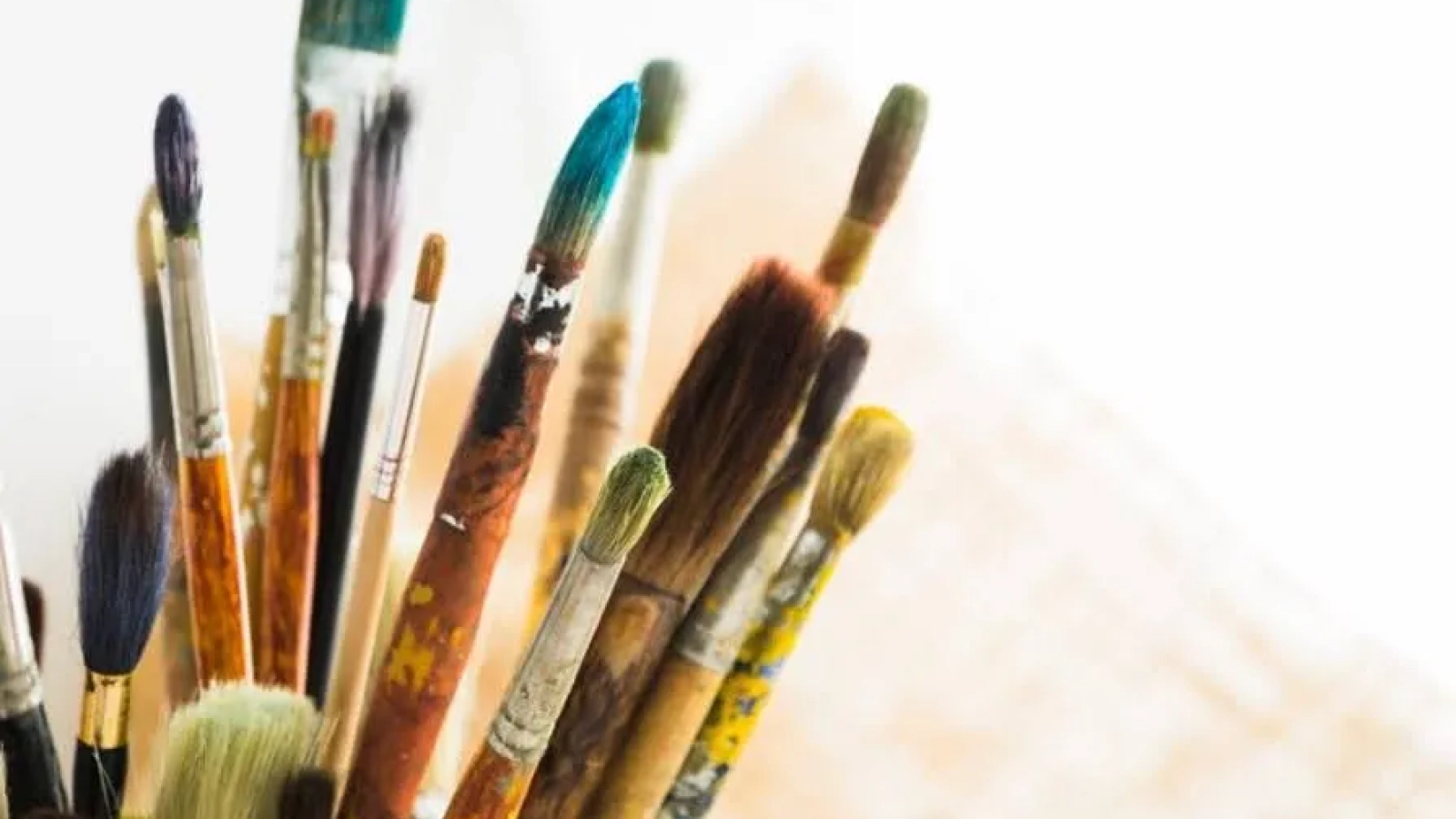
Paintbrush types refer to the different shapes, sizes, and materials of brushes used in painting. Each type serves a specific purpose, whether it is for fine detail, broad coverage, or texture. Brushes can be made from natural hair, synthetic fibres, or a combination, which affects how they hold and release paint.
Understanding paintbrush types allows artists to select the right tool for their medium and style. For example, a soft, round brush is perfect for delicate watercolour washes, while a stiff flat brush works well for acrylic or oil textures. By mastering your brushes, you gain more control over colour, texture, and detail in your work.
Key Features of Paintbrushes
- Brush Shape: Shapes like round, flat, filbert, or fan determine the strokes and effects you can create.
- Brush Size: Larger brushes cover more area, while smaller ones are used for detail.
- Bristle Type: Natural bristles are softer and better for watercolour, synthetic bristles handle acrylics well.
- Handle Length: Short handles suit studio work; long handles are ideal for easel painting.
- Paint Holding Capacity: Some brushes hold more paint, reducing the need to reload frequently.
- Flexibility and Spring: Determines how the brush responds to pressure, essential for precise strokes.
Common Paintbrush Types and Their Uses
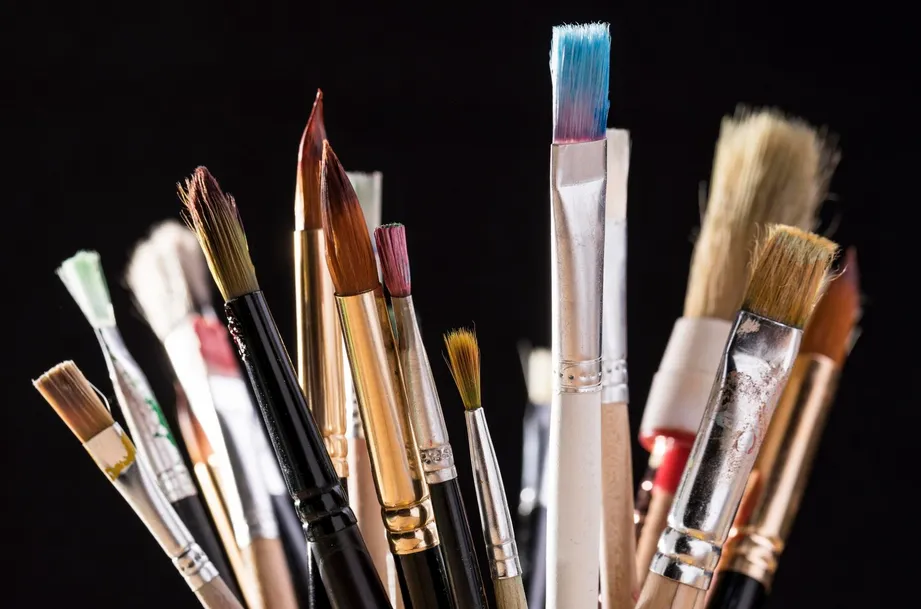
Choosing the correct brush for your painting style makes a big difference. Here are the most common paintbrush types used by beginners and professionals alike. Each brush has unique features that make it ideal for specific techniques.
1. Round Brush
Round brushes have a pointed tip and a cylindrical body, making them versatile. They can create thin lines or broad strokes depending on the pressure applied. Beginners often use round brushes for sketching outlines, painting details, or adding finishing touches.
Key Features:
- Fine tip allows precision for small details
- Rounded body holds a moderate amount of paint
- Suitable for watercolour, acrylic, and oil
2. Flat Brush
Flat brushes have a rectangular shape with long bristles, perfect for covering large areas or making bold strokes. They are often used for backgrounds, washes, or geometric shapes. Flat brushes can also create sharp edges when used with the tip.
Key Features:
- Ideal for broad strokes and filling spaces
- Sharp edges allow precise line work
- Works well for acrylic and oil painting
3. Filbert Brush
Filbert brushes are oval-shaped with a flat ferrule. This shape combines the benefits of round and flat brushes, offering soft edges with controlled strokes. Filbert brushes are excellent for blending, creating natural shapes, and making smooth transitions.
Key Features:
- Soft, rounded tip for smooth blending
- Perfect for natural elements like leaves or petals
- Suitable for acrylic, oil, and tempera
4. Fan Brush
Fan brushes have a flat spread of bristles resembling a fan. They are ideal for texture and special effects, such as foliage, clouds, or waves. Beginners can use fan brushes to create patterns that are difficult to achieve with other brush types.
Key Features:
- Spread bristles create texture and soft blending
- Perfect for leaves, grass, or clouds
- Works well with oil and acrylic paints
5. Mop Brush
Mop brushes have thick, soft, and round heads. They hold a lot of water or paint, making them perfect for watercolour washes or soft background gradients. Mop brushes are useful for large areas that require smooth blending.
Key Features:
- Holds a lot of paint or water
- Ideal for washes and soft gradients
- Soft bristles prevent streaking
6. Detail Brush
Detail brushes are small with very fine tips, perfect for intricate work like facial features, fine lines, or small designs. These brushes require a steady hand and patience, but allow for precise and controlled strokes.
Key Features:
- Extremely fine tip for small details
- Requires careful handling for precision
- Works with all types of paints
7. Angular Brush
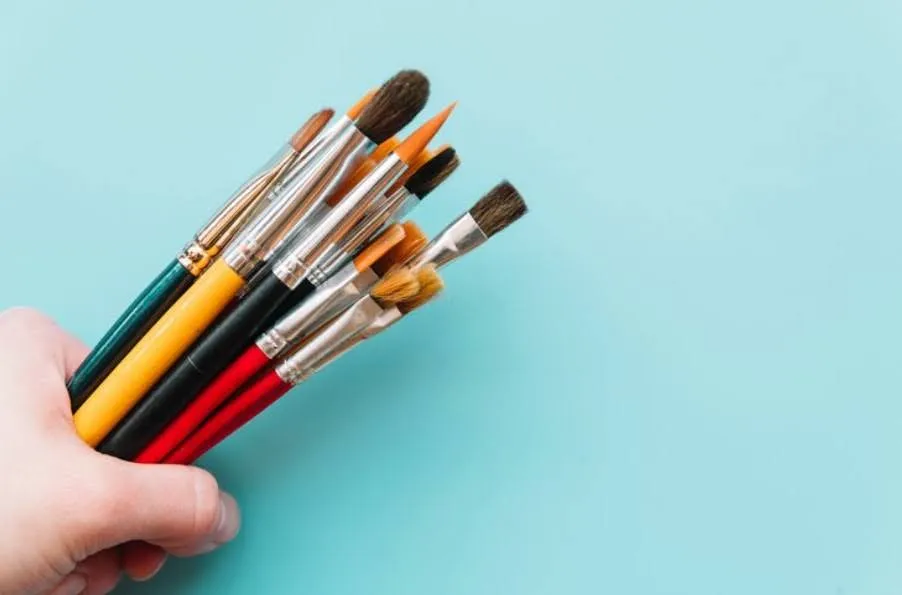
Angular brushes have slanted bristles that allow angled strokes. They are excellent for sharp corners, curved shapes, or controlled lines. Beginners find them helpful for painting objects with defined edges.
Key Features:
- Slanted shape for angled or curved strokes
- Perfect for edges and corners
- Works with acrylic, oil, and gouache
8. Rigger Brush
Rigger brushes are thin and long, designed to hold paint for continuous fine lines. Traditionally used in watercolour and oil for painting rigging or branches, they are perfect for creating delicate, flowing lines.
Key Features:
- Long, thin bristles for continuous lines
- Ideal for fine branches or intricate patterns
- Best with watercolour and ink
How to Choose Which Paintbrush to Use
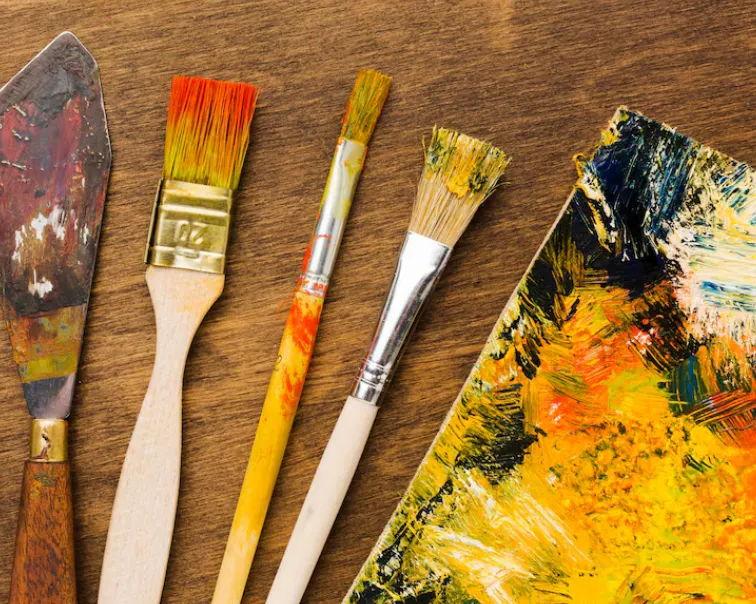
Choosing the right paintbrush type depends on your painting style, medium, and the effect you want to achieve. Making the right choice can make painting easier and more enjoyable.
Consider Your Medium
Different paints require different brushes. Watercolour works best with soft brushes that hold water, like round or mop brushes. Acrylic and oil paints are thicker and benefit from stiffer brushes, such as flats or filberts. Matching the brush to the medium ensures smoother application and better results.
Think About Your Technique
Your desired technique affects your brush choice. Use round brushes for detail and precision, flat brushes for bold strokes or washes, and fan brushes for texture. Consider whether you need blending, layering, or sharp lines, and pick a brush that allows you to achieve that effect.
Match Brush Size to Your Project
Large brushes cover more area and are ideal for backgrounds or big canvases. Small brushes are perfect for intricate details, such as facial features or fine lines. Choosing the right size helps maintain control and prevents unnecessary mistakes.
Experiment and Practice
Sometimes the best way to choose a brush is by trying different ones. Experiment with various shapes, sizes, and pressures to see which brushes feel comfortable and produce the desired effect. Over time, you will develop a personal preference for brushes that suit your style.
Tips to Prepare for Your Paintbrush Use
Before painting, preparing your brushes properly ensures the best results. Beginners should always take time to care for brushes and plan their techniques.
- Clean Brushes Properly: Rinse brushes in water or solvent to remove old paint before use.
- Condition New Brushes: Soften bristles with water or mild soap to prevent stiffness.
- Choose the Right Brush for Paint: Match the brush type to the medium, like soft bristles for watercolour.
- Test Strokes: Practice on scrap paper or canvas to understand how each brush behaves.
- Control Pressure: Adjust pressure to create thin or thick lines.
- Use Multiple Brushes: Keep different brushes for washes, details, and textures.
- Store Brushes Carefully: Store upright or flat to maintain shape and longevity.
DIY Learning vs Taking Art Class
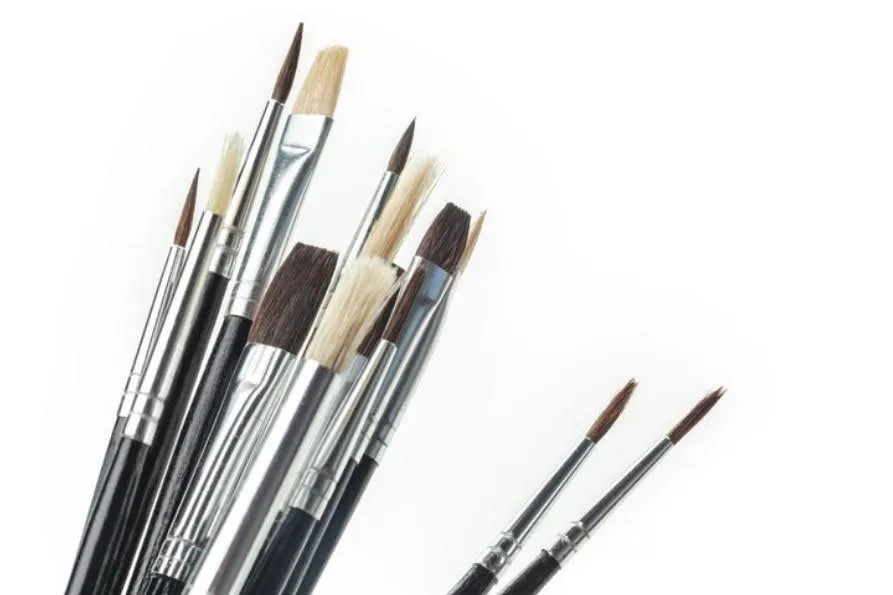
Many beginners wonder whether to learn brush techniques on their own or join structured classes. Both options have benefits, and the choice depends on your goals and learning style.
DIY learning allows you to explore at your own pace, experiment with different brushes, and adapt techniques freely. It can be combined with online tutorials, books, or digital art platforms. However, it may lack feedback and structured guidance.
Art classes, such as kids’ art classes, adult art classes, or art jam sessions, offer professional guidance and structured exercises. Classes also allow you to observe others, learn new techniques, and ask questions in real time.
Benefits of DIY Learning:
- Learn at your own pace without pressure
- Experiment freely with brushes and styles
- Suitable for online or home practice
Benefits of Taking Art Classes:
- Professional guidance ensures proper technique
- Opportunity to receive feedback and improve faster
- Encourages social interaction and creative inspiration
Conclusion On Paintbrush Types
Understanding paintbrush types is essential for every beginner artist. Knowing which brush to use for specific techniques improves your painting control and creativity. From round and flat to fan and filbert, each brush has a purpose and adds a unique effect to your artwork.
At Art Pazionate, we offer art jam sessions, kids’ art classes, and adult art classes to help you explore different brushes and techniques.
Contact us to join a class, try out new styles, and enhance your skills in a fun, supportive environment.
Frequently Asked Questions About Paintbrush Types
What Are the Most Important Paintbrush Types for Beginners?
Round, flat, filbert, and fan brushes are the most useful for beginners. These brushes cover most techniques, from broad strokes to fine details, making them versatile and beginner-friendly.
How Do I Choose the Right Paintbrush for My Medium?
Soft bristles work best for watercolour, while stiffer synthetic brushes handle acrylics and oils. Match the brush to your paint type for better control and results.
Can I Use One Brush for All Painting Techniques?
While possible, it is not ideal. Different brushes are designed for specific effects, and using the right brush ensures better texture, coverage, and precision.
How Should I Take Care of My Paintbrushes?
Clean brushes after every use, shape bristles carefully, and store them upright or flat. Proper care prolongs their life and maintains consistent performance.
Are Art Classes Necessary to Learn Brush Techniques?
Not mandatory, but classes offer structured guidance, feedback, and exposure to different paintbrush types. They help you learn faster and develop confidence in your skills.