
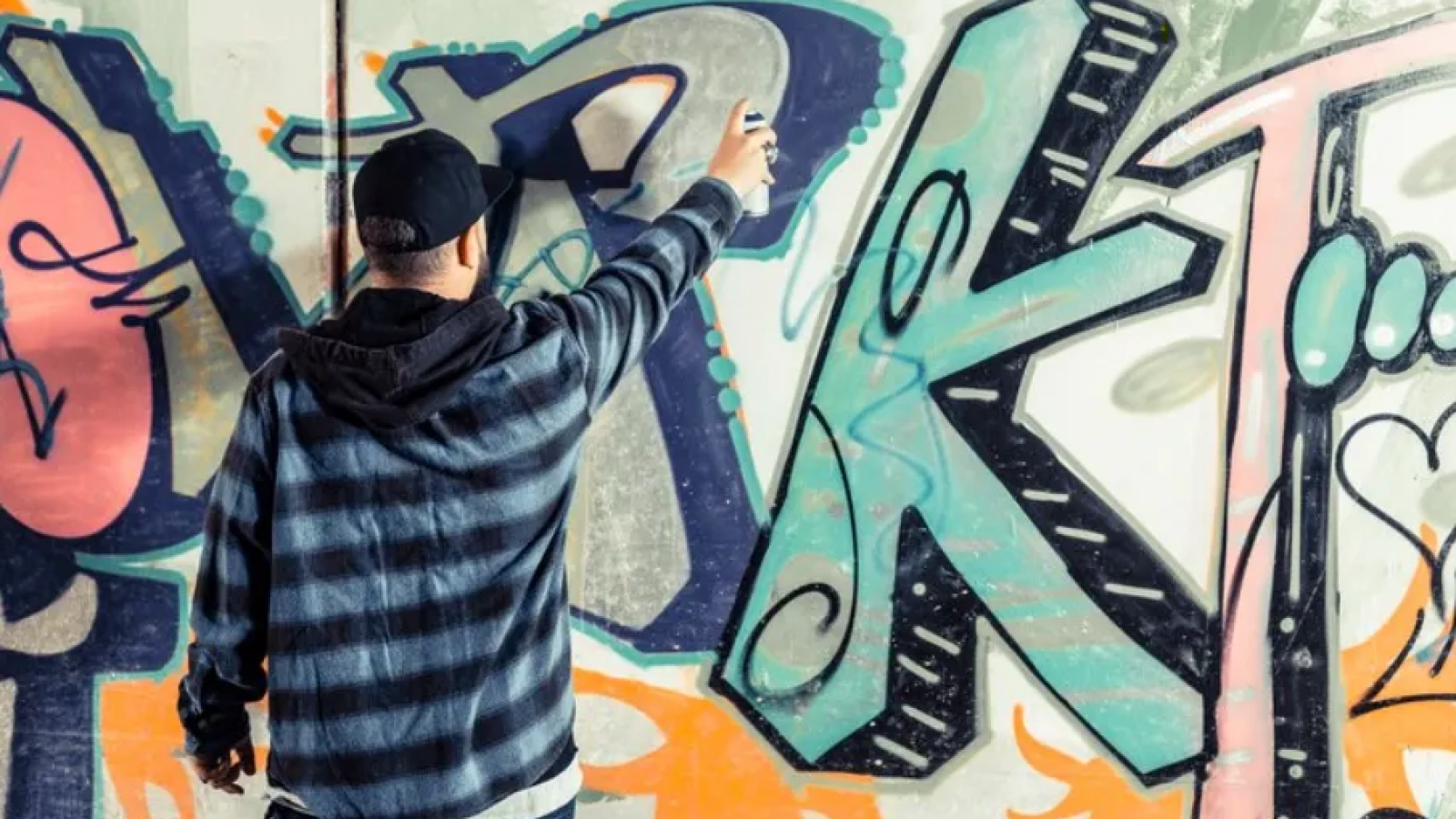
Have you ever wandered through a city and stopped in your tracks because a mural or a painting on a wall caught your eye? In Singapore, this happens often. The city is not just about skyscrapers and shopping malls. Street art in Singapore is a lively canvas that adds colour, culture, and stories to urban spaces. You can find bold murals, local artwork, and creative installations in unexpected corners of the city.
This guide is made for tourists and curious explorers who want to discover Singapore beyond the usual sights. We will take you through popular locations, explain what to look for, and share ideas for how to enjoy the art with your friends and family.
What Is Street Art?
Street art refers to visual art created in public spaces. It can be murals, graffiti, or painted installations on walls, alleys, and buildings. Unlike gallery art, street art is freely visible to everyone at any time. It often reflects local culture, history, humour, and the creativity of artists.
In Singapore, street art blends local stories with global influences. Works range from colourful cultural murals to modern and playful pieces that invite visitors to stop and take pictures. This makes it perfect for photography lovers, art fans, and travellers who want a visual journey through the city.
Why Street Art Matters in Singapore
Street art adds character to urban spaces. It brings hidden lanes and backstreets to life. Many neighbourhoods have become art destinations because of their colourful murals and installations.
Artists, both local and international, contribute to Singapore’s vibrant street art scene, painting stories about heritage, daily life, and imagination. This art transforms ordinary walls into creative expressions that speak to both locals and visitors.
- Cultural Storytelling: Murals often depict Singapore’s history, traditions, and local heritage, giving visitors insight into the city’s rich cultural fabric.
- Community Engagement: Street art projects often involve local communities, encouraging participation and shared pride in neighbourhood spaces.
- Tourism Attraction: Popular murals and art districts draw tourists, boosting local businesses and creating Instagram-worthy experiences.
- Urban Beautification: Empty walls and alleyways are transformed into vibrant artworks, improving aesthetics and making the city more visually appealing.
- Platform for Emerging Artists: Street art provides opportunities for new and independent artists to showcase their creativity without traditional gallery restrictions.
- Inspiration and Creativity: Public art inspires both locals and visitors to explore their own creativity, encouraging artistic expression in everyday life.
Top Street Art Locations in Singapore
Here are some must-visit spots where you can experience street art up close and personal:
Haji Lane and Kampong Glam
Haji Lane, located in the Kampong Glam district, is one of the most famous places for street art in Singapore. This narrow lane was once filled with small shops and ancient architecture. Today, vibrant murals line both sides of the street, making it a popular place for photography.
The artworks include colourful abstract designs, cultural symbols, and playful illustrations by local artists. Many pieces reflect the history and energy of the area, blending artistic styles with traditions. Wandering through Haji Lane feels like walking through an open‑air art gallery.
Bali Lane and Ophir Road
Not far from Haji Lane is the Bali Lane and Ophir Road area, known as Southeast Asia’s first “Hall of Fame” for street art. Here, many walls are legally dedicated to murals and graffiti, making it a hotspot for painters and art lovers.
The back alleys are covered with bold and colourful works created by different artists, each telling a unique story. The space was developed to nurture local street art and provide a legal platform for artistic expression.
Chinatown
Chinatown is not just a cultural and food destination. It is also home to some of the most detailed and meaningful murals in Singapore. In the back lanes near Smith Street and Pagoda Street, you will find striking painted scenes.
Murals here often depict life in historic Singapore, including scenes of tradition, family, and local heritage. Some artworks pay homage to early life in the city and the cultural mix that shaped Singapore.
Little India
Little India is another area where vibrant street art celebrates cultural identity. Walk along Kerbau Road and nearby streets, and you will see murals that reflect local history and daily life. Some murals are playful and whimsical, adding bright spots of colour to the area’s already lively atmosphere.
Tiong Bahru
Tiong Bahru is a charming neighbourhood where street art blends with heritage architecture. Local artists like Yip Yew Chong have created murals that capture stories of life in Singapore over time, making it feel like an art walk through history.
These murals often depict everyday scenes or nostalgic images, making them perfect for photography and a casual stroll.
Joo Chiat and Katong
Along Joo Chiat Road and Tanjong Katong Road, you can find art that reflects Peranakan culture, colour, and community history. Many murals pay tribute to local heritage and contribute to the lively character of the neighbourhood.
These areas show how traditional culture can be blended into modern artistic forms.
Street Art Themes and Styles
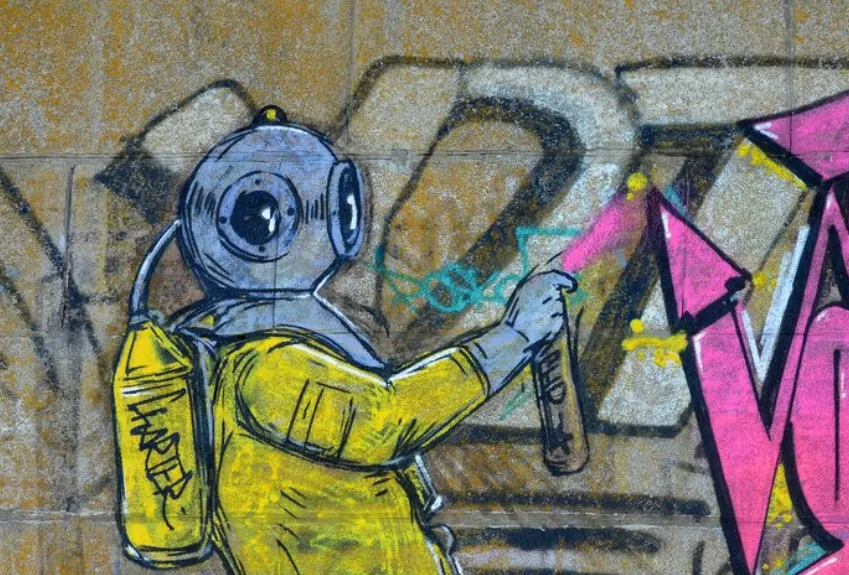
Here are some popular street art themes and styles you can spot:
Cultural Narratives
Many street artworks in Singapore tell vivid stories about local traditions, festivals, and heritage. Murals in Chinatown, Little India, and Joo Chiat often depict scenes from daily life, traditional celebrations, and historical events. These pieces serve as visual storytelling, connecting viewers to the city’s rich cultural tapestry.
For example, murals in Chinatown showcase hawker life, family gatherings, and iconic local architecture. In Little India, street art often celebrates religious festivals like Deepavali, with vibrant colours and symbolic motifs. These artworks allow residents and visitors alike to reflect on Singapore’s multicultural identity, creating a bridge between past and present while making the neighbourhoods visually engaging.
Key Features:
- Historical References: Murals often highlight local history, making walls a canvas for storytelling.
- Cultural Symbols: Use of traditional clothing, festivals, and rituals to communicate heritage.
- Community Pride: Residents feel connected and proud when seeing their culture represented publicly.
Nature and Everyday Life
Some murals focus on scenes from nature and daily routines, offering a more lighthearted and relatable perspective. These artworks capture animals, plants, food, and simple everyday moments, creating an approachable and immersive experience.
For instance, along Tanjong Katong Road and some back alleys in Kampong Glam, you will find murals of sunbirds, tropical flora, and market scenes that depict Singaporean life. Artists often play with scale and perspective, blending realism with whimsical interpretation. These murals highlight the small joys of life while showcasing local flora and fauna, encouraging people to notice beauty in their surroundings.
Key Features:
- Realistic and Relatable: Murals reflect everyday life or natural scenery familiar to locals.
- Playful Visuals: Artists use humour, exaggeration, and bright colours to make ordinary subjects stand out.
- Interactive Experience: Many murals invite visitors to pose creatively with the artwork.
Abstract and Modern Expression
In areas like Haji Lane, Bali Lane, and some alleys around Tiong Bahru, you will encounter modern and abstract street art. These works often combine bold colours, geometric shapes, and unconventional patterns to create eye-catching visual statements.
Abstract pieces may not tell a literal story but instead evoke feelings, ideas, or moods. Some murals incorporate optical illusions, layering, or mixed media, which encourage viewers to interpret the artwork in their own way. This style is often influenced by global street art movements, giving Singapore an international artistic identity while still blending local elements.
Key Features:
- Bold Use of Colour: Vivid palettes make murals stand out even from a distance.
- Symbolism and Conceptual Art: Pieces often represent abstract ideas or emotions rather than literal scenes.
- Experimental Techniques: Artists may use spray paint, stencil work, or mixed media to create texture and depth.
Community Art
Community-driven murals are created with the participation of local residents, schools, or groups. These artworks often reflect shared stories, collective memories, or social initiatives, making them inclusive and meaningful.
For example, some murals in Kampong Glam and Tiong Bahru were developed through workshops with local residents, where participants contributed ideas or even painted parts of the mural. Community art encourages dialogue, celebrates neighbourhood identity, and strengthens social bonds. Visitors can often interact with these murals, adding a sense of involvement and personal connection to the art.
Key Features:
- Collaborative Creation: Multiple artists or community members work together on a single piece.
- Inclusive Themes: Reflects the experiences and stories of the people living nearby.
- Social Awareness: Murals may highlight issues like environmental care, inclusivity, or heritage preservation.
Playful and Interactive Murals
Some street art in Singapore is designed specifically to engage viewers. These murals often use optical illusions, 3D effects, or playful scenarios to invite interaction. Visitors can pose with painted objects, step into scenes, or become part of the artwork itself.
For instance, in Haji Lane and Kampong Glam, you might find murals that appear to extend real-life objects into the wall or depict whimsical characters. This playful approach encourages social media sharing and brings a fun, youthful energy to the streets.
Key Features:
- Interactive Design: Visitors can physically engage with the art.
- Optical Illusions: Clever use of perspective creates visual surprises.
- Social Media Friendly: Many murals are designed with photography and sharing in mind.
Contemporary Storytelling
Some street art blends traditional narrative with modern techniques. These works may combine text, photography, and painting to convey stories about current social issues, urban life, or Singaporean identity.
For example, murals in Chinatown sometimes mix historical scenes with contemporary imagery, showing the evolution of the neighbourhood over time. This approach allows artists to address current topics while grounding their work in the city’s cultural history. It also engages younger audiences by connecting art with modern concerns.
Key Features:
- Narrative Layers: Combines old and new stories in a single visual.
- Multimedia Techniques: Artists may integrate photographs, text, or digital art prints.
- Urban Commentary: Murals offer a reflection on social or urban issues in a creative format.
How to Plan Your Street Art Tour
Exploring street art can be done on walking tours or casual strolls. Here are some tips to make your visit enjoyable:
- Start Early: Visit murals in the morning when streets are quieter. This gives you more space to view and photograph the art.
- Use Public Transport: Singapore’s MRT and buses make it easy to reach art spots like Haji Lane, Chinatown, and Little India.
- Wear Comfortable Shoes: Many murals are spread out across neighbourhoods, so be ready to walk and explore.
- Take Breaks and Enjoy Local Food: The areas around street art are also filled with cafes and hawker centres. Pause for a meal or drink while soaking in the atmosphere.
Street Art-Inspired Activities
If you love art and want to dive deeper, Singapore offers creative activities that let you express yourself, too.
- Art Jamming Workshops: These art jamming workshop events invite participants to paint freely on canvases with colours and brushes provided. They are great for visitors who want a hands‑on art experience.
- Weekly Art Class Sessions: Some studios offer regular lessons like weekly art classes that explore painting techniques and creative expression, perfect if you want to learn more than just viewing art.
- Ad Hoc Art Workshops: Look out for one‑off workshops focusing on specific themes, like mural making or urban art. These are great for beginners and tourists alike.
- Adults Art Class Options: Many studios and community spaces in Singapore provide art classes for adults, helping you build skills while exploring creative forms inspired by street art.
Conclusion On Street Art In Singapore
Street art in Singapore offers more than just colourful walls. It reflects the city’s diverse cultures, history, and creative spirit. From Haji Lane to Chinatown and Little India, every mural tells a story worth exploring.
At Art Pazionate, we believe art connects people and places. If you are inspired by Singapore’s murals and want to try your own creative expression, contact us to explore our programmes and join our artistic community.
Frequently Asked Questions About Street Art In Singapore
Where Can I See Street Art In Singapore?
You can find street art in areas like Haji Lane, Chinatown, Little India, and Joo Chiat. Each neighbourhood has unique styles and stories painted on public walls.
Is Street Art Free To Visit?
Yes, most street art in Singapore is public and free to explore. You can walk around different districts and see murals without paying admission.
Can Tourists Take Photos Of Street Art?
Absolutely. Taking photos of street art is a popular activity for visitors. Be respectful and avoid blocking roads or entrances while capturing your shots.
Does Singapore Have Street Art Tours?
Yes, several guided and self‑guided tours focus on murals and public art routes. These tours help you learn more about the artists and the meanings behind the works.
Is Street Art Safe To Explore At Night?
Exploring during the day is best for safety and lighting. Many art areas are lively after dark, but day visits allow better appreciation of colours and details.