
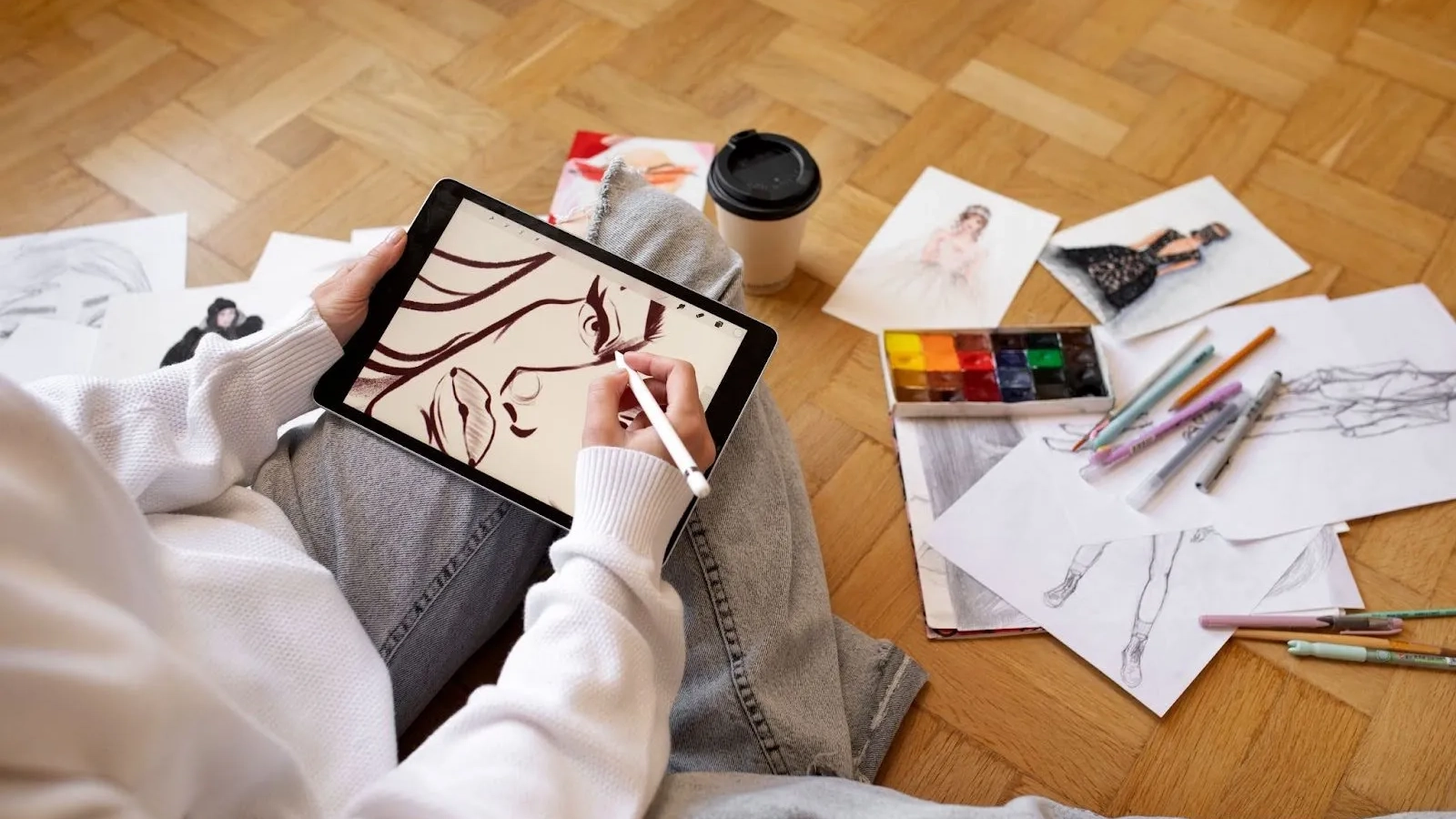
The debate of digital art vs traditional art often feels like standing at a crossroads without a map. You might find yourself clutching a simple sketchbook while eyeing the expensive tablets behind the glass, unsure which path leads to the artist you want to become.
Many beginners fear investing time and money into a medium that might not actually suit their personal goals. It is overwhelming to worry that picking the “wrong” tool could stunt your creative growth before you even begin.
This guide breaks down the distinct benefits and trade-offs of both mediums side-by-side to clear up the confusion. You will discover exactly which approach aligns with your budget, lifestyle, and artistic ambitions.
The Main Difference Between Digital And Traditional Art
The primary distinction of how digital art differs from traditional art is that traditional art produces a physical object you can hold, while digital art creates a data file on a computer. This fundamental difference changes everything about how you work, from the tools you use to the skills you develop.
One method builds your physical hand-eye coordination through tactile feedback and permanent marks. The other builds your technical efficiency with editing software and flexible, non-destructive tools.
1. Fixing Mistakes: The Undo Button vs Permanent Marks
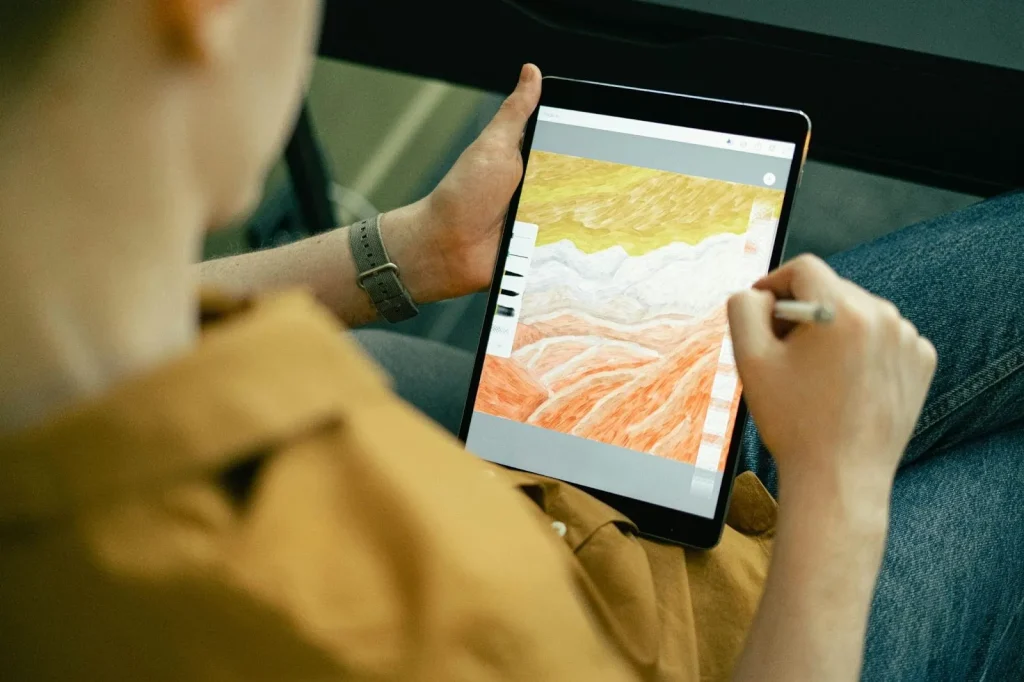
In the debate of traditional art vs digital art, the “Undo” button is the biggest game-changer. Digital software allows you to press “Ctrl+Z” to instantly vanish a mistake. This removes the fear of errors and encourages you to try wild ideas without consequence.
Traditional art is permanent. If you spill a drop of paint or draw a line too dark, it stays there. You must learn to fix it or turn that mistake into a beautiful part of the artwork. This process teaches you resilience and creative problem-solving that a computer cannot simulate.
2. The Feeling: Glass Screen vs Paper Texture
Drawing on a digital tablet feels like sliding a piece of plastic over a sheet of glass. It feels exactly the same whether you are using a watercolour brush or a charcoal pencil setting.
Traditional art offers a rich sensory experience. You feel the roughness of the paper and the friction of the pencil tip. This physical resistance is helpful for children and beginners because it develops better hand control and fine motor skills.
3. Setup Costs: One Expensive Device vs Ongoing Supplies
When comparing digital art vs traditional budgets, you have to look at upfront costs versus long-term costs. Digital art requires a high initial investment. You need a tablet or computer, and a stylus to get started.
Traditional art has a very low starting cost. You can begin your kids art classes or personal journey with just a simple pencil and a sketchbook for a few dollars. However, high-quality paints, canvases, and brushes will need to be replaced constantly as you use them up.
4. Mixing Colours: Selecting Codes vs Mixing Paint
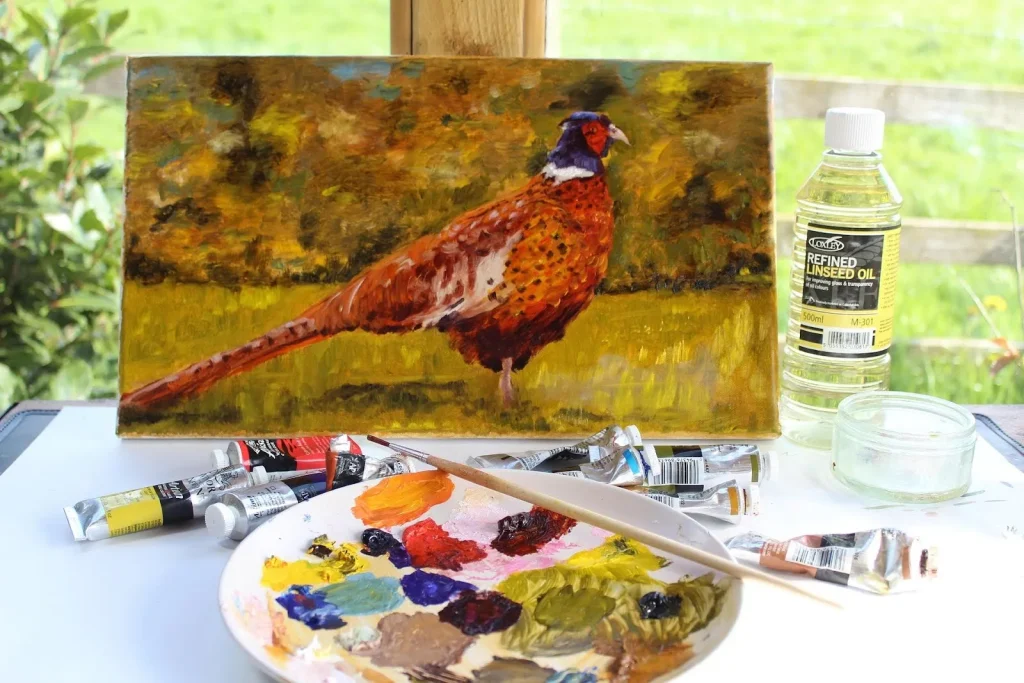
The difference between digital art and traditional art is huge when it comes to colour. In digital software, you simply tap a colour wheel to select the exact shade you want. It is instant, precise, and scientifically perfect every time.
Traditional mixing is an art form in itself. You have to physically mix red and yellow pigments to find the right orange. This hands-on process teaches you how colour theory actually works in a way that selecting a digital code never will.
5. Workspace: Working Anywhere vs Needing A Studio
Digital art is incredibly portable. You can paint a landscape while sitting on the bus or draw in bed without making a mess. You do not need good lighting because the screen provides its own light.
Traditional art requires a dedicated space. You need room to spread out your supplies, good lighting to see your colours accurately, and water for cleaning brushes. This requirement creates a special “creative zone” in your home that signals your brain it is time to focus.
6. Quantity Of Tools: Unlimited Brushes vs Physical Brushes
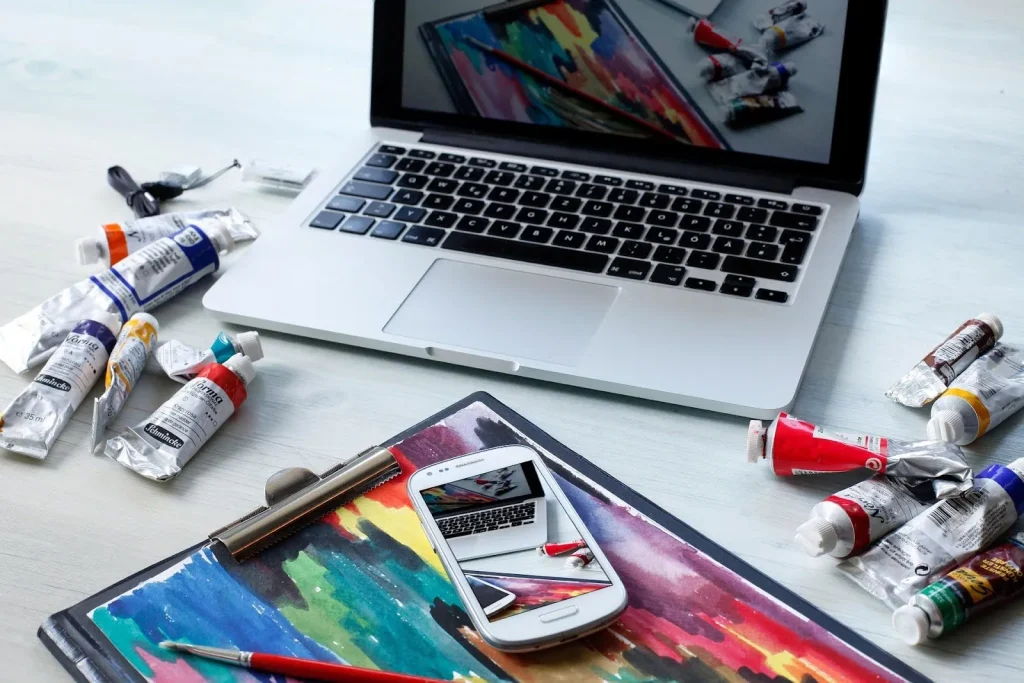
Digital software gives you access to thousands of tools inside a single pen. You can switch from an oil brush to an airbrush in a second without washing anything. It is efficient and keeps your workspace tidy.
Traditional art requires you to own the physical tools for every technique you want to use. You build a relationship with your favourite brushes and learn exactly how they behave. There is a romance to caring for your tools that many artists cherish.
7. Speed Of Work: Fast Edits vs Slow Process
If you look at digital art vs traditional workflows, digital is almost always faster. You can fill an entire background with colour in one click or resize a character instantly. This speed is perfect for tight deadlines.
Traditional art is a slower and more meditative process. You have to wait for layers of paint to dry before adding more. This slower pace forces you to slow down your mind and creates a relaxing break from a busy day.
8. Originality: Printable Files vs One-Of-A-Kind Art
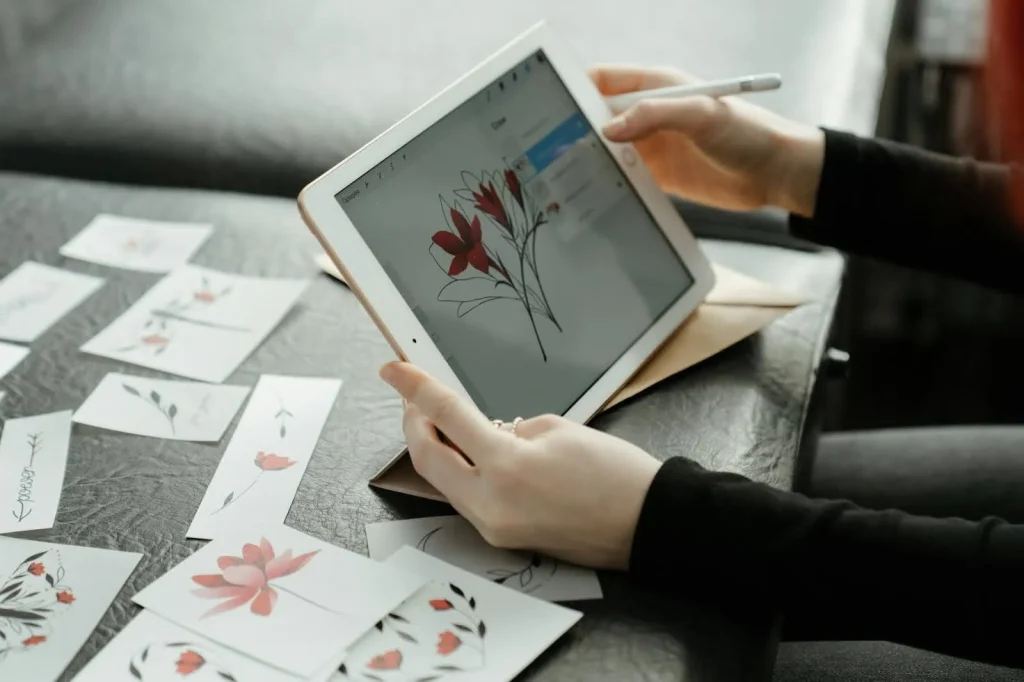
Digital art consists of pixels and code. It can be printed thousands of times, and every single copy will look exactly like the first one. There is no single “original” master copy.
Traditional art produces a one-of-a-kind object. Even if you try to paint the same image twice, the brushstrokes and texture will be slightly different. This uniqueness gives the artwork a special character and value that cannot be replicated.
9. Eye Health: Screen Time vs A Break From Screens
We spend so much of our lives staring at phones and computers. Digital art adds to this screen time and can lead to eye strain or headaches after long sessions.
Traditional art gives your eyes a much-needed rest from blue light. It allows you to unplug from technology and focus on the physical world. This makes it a true form of mental relaxation and digital detox, which is a key benefit of joining an adult art class.
10. How Long It Lasts: File Formats vs Physical Fading
Digital files can be fragile in their own way. Hard drives can fail, and file formats can become obsolete as technology changes over the years. You must be diligent about backing up your work.
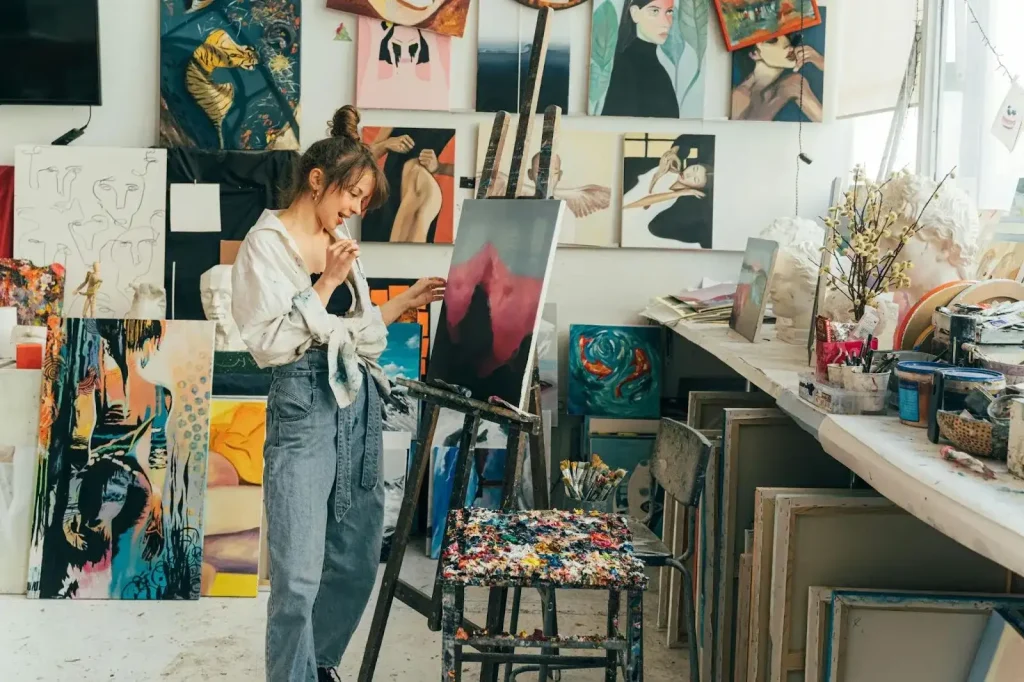
Traditional paintings can last for centuries if they are cared for properly. While they can fade or suffer water damage, a well-made oil painting is an heirloom that can be passed down through generations.
11. Career Opportunities: Industry Jobs vs Fine Art
Your career goals will heavily influence your choice. Digital art is the standard for commercial industries like animation, video game design, and web graphics. It allows for the quick edits that clients often demand.
Traditional art is highly valued in the world of fine art galleries and book illustration. People still love to buy original paintings to hang in their homes because of the texture and human touch they possess.
12. Learning Curve: Learning Software vs Learning Art
When discussing traditional vs digital art for beginners, traditional is often simpler to start. You only have to focus on drawing and observation. There are no menus or settings to confuse you.
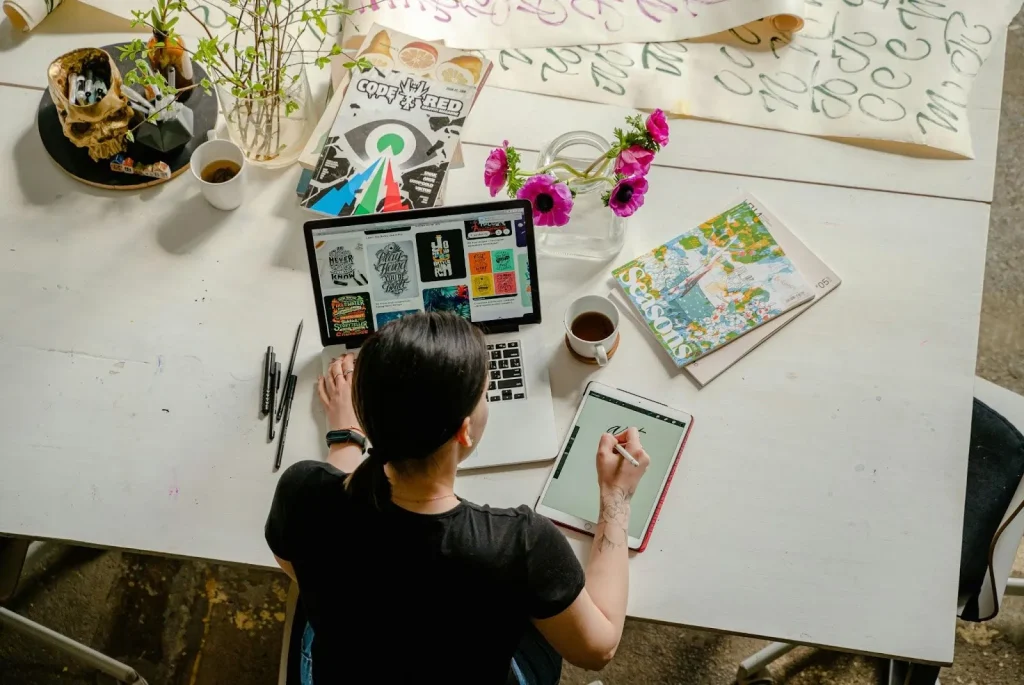
Digital art requires you to learn two skills at once. You must learn how to draw, but you also must learn how to navigate complex software. Learning about layers, opacity, and resolution can sometimes distract you from the actual art-making.
Our Recommendation: Which Should You Start With?
We believe the best approach is to follow a natural progression.
For children, we recommend starting with traditional art. It builds focus, patience, and the fine motor skills they need for development.
For adults, we also suggest starting with traditional mediums. It offers a sensory escape from the digital world and builds a strong foundation of skills. Once you understand the basics of light and form on paper, those skills will make you a much better digital artist if you decide to switch later.
Conclusion About Digital Art Vs Traditional Art
Both digital and traditional art offer distinct paths to express your creativity. Traditional art builds a strong foundation of resilience and sensory skills, while digital art unlocks speed and efficiency for professional work. Your choice ultimately depends on the skills you wish to build.
Art Pazionate is here to help. With our intimate class sizes since 2015, we provide personalized guidance to help your unique artistic vision flourish. If you are ready to explore your potential, consider an art jamming session or reach out to us today. A trial class could make all the difference in your creative journey.
Contact us today and book your trial class!
Frequently Asked Questions About Digital Art Vs Traditional Art
Is Digital Art Easier Than Traditional Art?
It is not necessarily easier, but it is faster because you can undo mistakes instantly. However, learning the software takes time, whereas traditional art vs digital art allows beginners to focus purely on drawing skills immediately.
Which Is More Expensive To Start?
Digital art has a much higher startup cost because you need to purchase a tablet and computer. Traditional art is cheaper to start with just a pencil, but supplies like paint and canvas cost money over time.
Do I Need To Learn Traditional Art Before Digital?
While not strictly required, learning how is digital art different from traditional art through physical practice helps you understand colour and form better. These fundamental skills translate perfectly to digital media and often make you a better digital artist.
Is Digital Art Considered Real Art?
Yes, digital art is absolutely real art because it requires the same fundamental knowledge of composition, lighting, and anatomy. The computer is simply a tool, just like a paintbrush is a tool.
Why Do Schools Teach Traditional Art First?
Schools focus on traditional art to build fine motor skills and tactile hand-eye coordination in students. It forces you to be deliberate with your marks since you cannot simply press a button to fix an error.
Can I Combine Digital And Traditional Art?
Yes, many artists use a hybrid approach where they sketch on paper to capture natural lines and then scan it to colour digitally. This gives you the tactile feel of traditional drawing with the speed of digital editing.
Can I Make A Living With Traditional Art?
Yes, traditional art is highly valued for selling original physical works in galleries and to private collectors who want unique pieces. Digital art is more commonly used for salaried jobs in commercial animation and graphic design.