
Have you ever looked at a painting and noticed how some parts of it seem to jump off the canvas? Those thick, bold strokes of paint that create texture and catch the light are likely the work of impasto. But what exactly is impasto, and why do artists love using it to bring their work to life? If you’ve ever wondered how to make your paintings more vibrant and expressive, this guide is for you.
In this article, we will explore impasto in a simple and beginner-friendly way. You will learn what it is, its history, why artists use it, and how you can start experimenting with it yourself. Whether you want to try a solo practice at home or join an art jam, this guide will help you understand thick paint techniques clearly and confidently.
What Is Impasto?
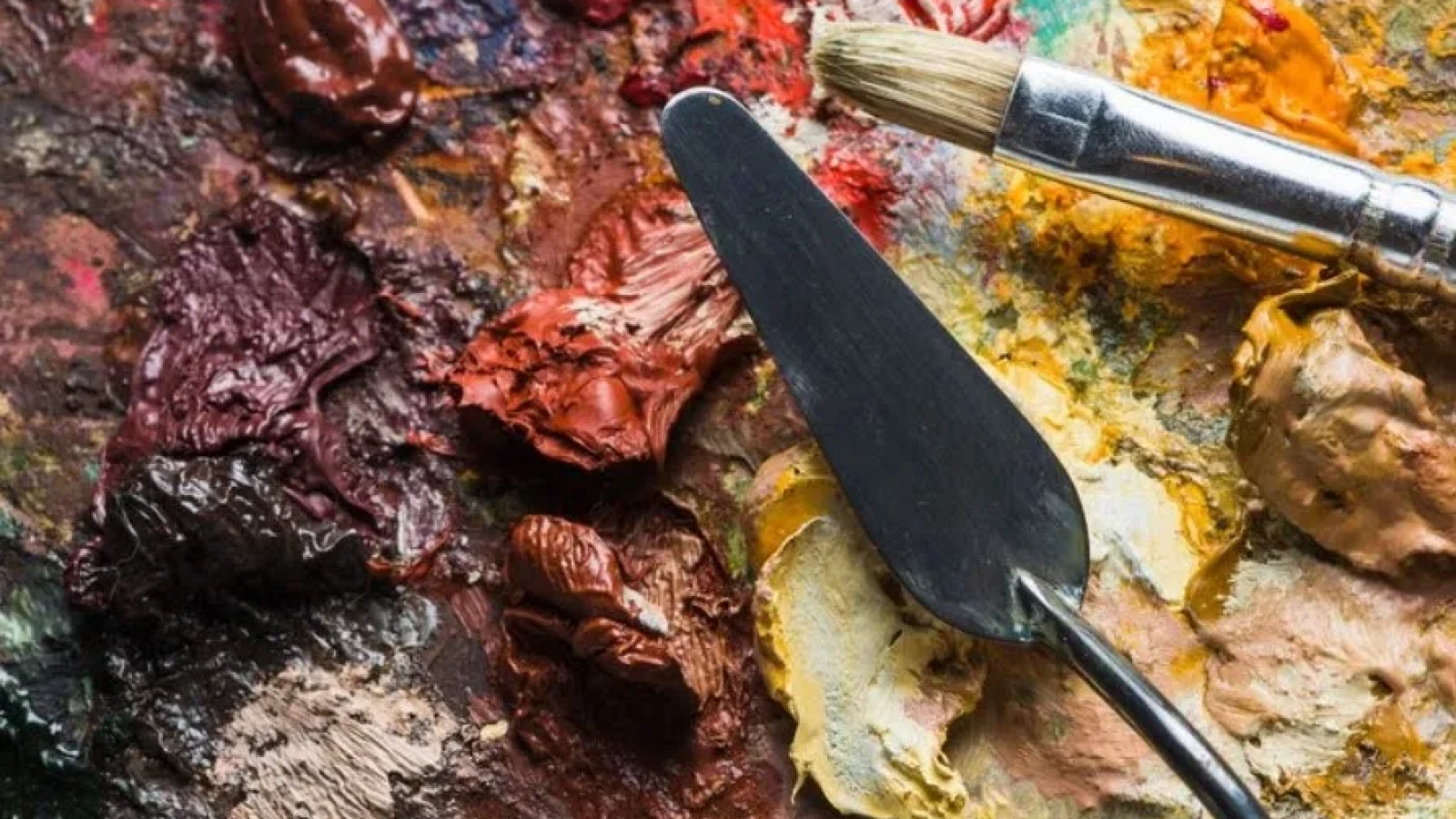
Impasto is a painting technique where paint is applied thickly to a canvas or board so that brush or knife strokes are visible. Unlike flat or smooth painting, impasto creates a three-dimensional texture that adds depth and movement to a piece. Artists often use this technique to make paintings feel alive and dynamic.
The thick layers of paint also interact with light differently than thin layers, creating shadows and highlights that change with the viewer’s perspective. Impasto allows artists to express emotion, energy, and creativity in ways that traditional flat painting cannot.
Key Characteristics Of Impasto:
- Thick Paint Application: Paint is applied in heavy layers to create depth on the canvas.
- Visible Tool Marks: Brush or palette knife strokes remain noticeable, adding texture.
- Three-Dimensional Surface: The painting rises off the canvas for a tactile effect.
- Light Interaction: Thick paint captures light differently, creating natural highlights and shadows.
- Expressive Style: Impasto allows bold expression of mood and emotion through texture.
- Layering Ability: Artists can build multiple layers for a richer, more complex appearance.
A Brief History Of Impasto
Impasto has been used for centuries by artists seeking to emphasise certain parts of a painting. Early Renaissance painters experimented with thick paint for dramatic effects, particularly in religious and historical scenes. They realised that texture could guide the viewer’s attention and convey depth.
During the 19th century, the technique became popular among Impressionist painters like Vincent van Gogh and Claude Monet. They used thick paint to capture the fleeting effects of light, movement, and emotion. By the 20th century, impasto became an essential tool for expressive and modern art styles.
Historical Importance Of Impasto:
- Expressive Emphasis: Artists highlighted key areas using thick paint.
- Emotional Impact: Texture added intensity to scenes, evoking strong feelings.
- Visual Depth: Raised paint created a natural three-dimensional effect.
- Break From Tradition: Impasto challenged the smooth, polished techniques of classical art.
- Artistic Freedom: Artists could experiment with bold colours and strokes without constraint.
Why Artists Use Impasto
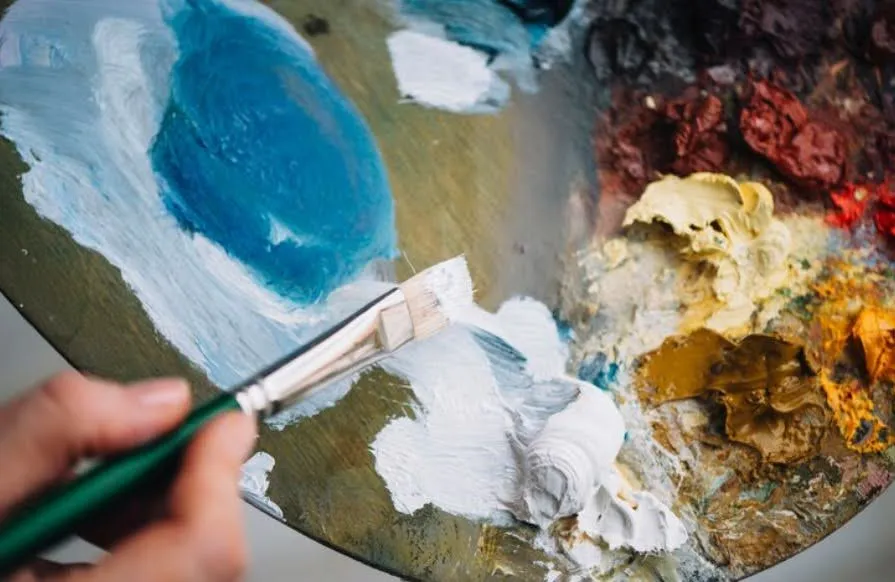
Artists choose impasto for its ability to bring a painting to life. The texture adds depth, motion, and a tactile quality that engages the viewer in a unique way. It also allows artists to focus on expression rather than perfection.
Below are some key reasons why impasto is so popular:
Expressive Emotion
Impasto allows artists to communicate strong emotions through texture and bold strokes. The thickness of the paint can convey excitement, energy, or even calm depending on how it is applied. Beginners often find it liberating because it encourages freedom rather than restraint.
Visual Depth
Thick paint adds a three-dimensional quality to a painting. Shadows and highlights are created naturally by the raised paint, giving the piece a sense of realism or dramatic impact. This makes the artwork more engaging for the viewer.
Highlighting Details
Artists can use impasto to emphasise certain areas of their work. Raised paint draws the eye, allowing the artist to guide attention to important elements in the composition. It’s like creating a visual focal point without extra effort.
Movement And Texture
Impasto can show movement in a painting, such as flowing water or swirling clouds. The texture adds energy and dynamism that smooth paint cannot replicate. This technique teaches beginners how texture itself can be expressive.
Enhancing Colour
Thick paint can make colours appear richer and more vibrant. The layers catch and reflect light, creating subtle variations in hue that flat painting may miss. Impasto encourages experimentation with bold colour choices.
Freedom To Experiment
Artists do not need to worry about perfection with impasto. Thick paint allows them to explore textures, strokes, and layering without fear of mistakes. Beginners find this technique ideal for building confidence in their skills.
Engaging The Viewer
The raised texture invites viewers to interact visually and emotionally with the painting. It makes the artwork feel alive and tactile, often leaving a lasting impression. Impasto encourages observation of both form and emotion.
Integration With Other Media
Impasto can be combined with other techniques like collage or mixed media. Artists layer paint with materials such as sand, fabric, or even digital textures for unique results. This opens up new creative possibilities, including experimenting in digital art.
Materials Needed For Impasto Painting
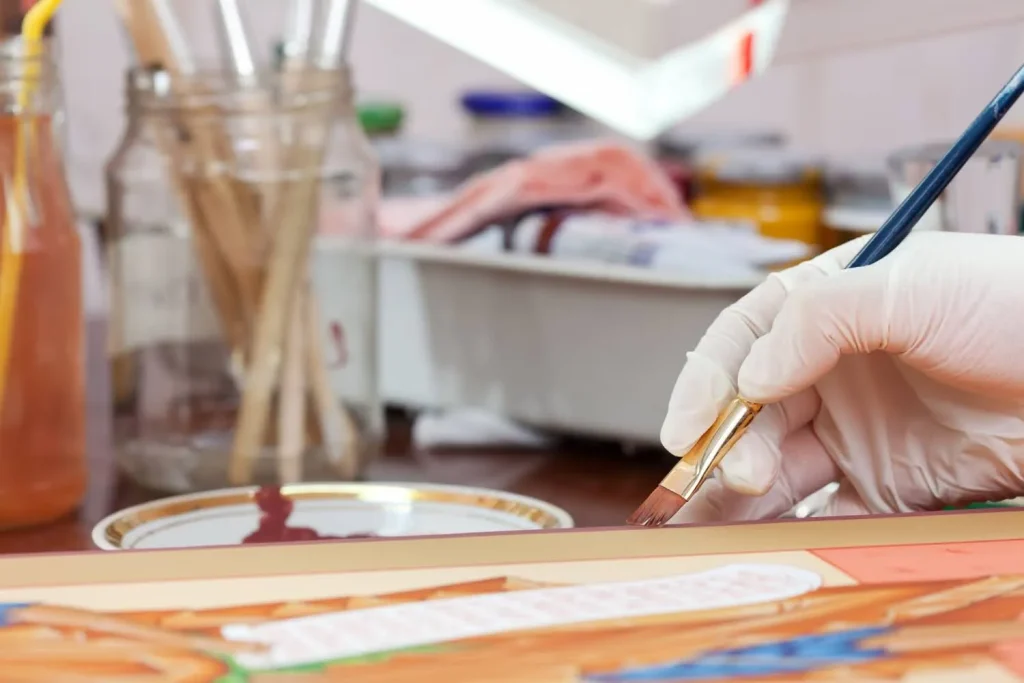
Using the right materials helps beginners enjoy impasto without frustration. Different tools and paints produce different textures, and selecting the right ones is key.
Heavy Body Paints
Thick acrylics or oil paints work best for impasto. These paints hold their shape and allow you to layer without sinking.
Palette Knives
Knives are ideal for applying thick paint and creating bold strokes. They give you control over texture and layering.
Sturdy Canvas Or Board
Thick paint needs support. Canvas, primed boards, or heavy paper can handle the weight of impasto without buckling.
Strong Brushes
Firm brushes hold thick paint and can create varied textures. Soft brushes tend to collapse under heavy paint.
Mediums And Additives
Texture gels and pastes can make acrylic paint thicker. They also extend drying time slightly, making it easier to manipulate paint.
Clean-Up Tools
Rags, water containers for acrylics, or turpentine for oils help keep your workspace tidy while experimenting.
Basic Impasto Techniques For Beginners
Starting with simple methods builds confidence. Focus on how the paint feels and moves, and gradually add complexity.
Single Stroke Application
Single stroke application is one of the simplest yet most effective impasto techniques. Here, thick paint is applied in one confident motion using either a palette knife or a stiff brush.
The aim is to lay down a bold, unbroken line of paint that stands out on the canvas, immediately adding texture and dimension. This method is particularly useful for creating highlights or emphasising key elements in a painting.
Layer Building
Layer building involves applying multiple layers of thick paint to gradually construct depth and richness. Each new layer is added on top of a previous one, allowing shadows and highlights to emerge naturally from the texture. This technique gives paintings a dynamic quality, as the eye perceives depth and movement. It is excellent for landscapes, skies, and textured backgrounds.
Scumbling
Scumbling is the process of lightly dragging a dry brush across the surface of thick paint to create a rough, broken texture. Unlike smooth blending, scumbling leaves gaps where the base layer shows through, adding visual complexity and an organic feel. This technique works well for painting foliage, clouds, or textured backgrounds.
Palette Knife Smearing
Palette knife smearing involves spreading paint across the canvas using a knife, creating smooth, jagged, or layered textures. This method allows for bold, expressive strokes and can produce effects that brushes cannot achieve. Artists often use it to depict rough surfaces such as rocks, water ripples, or abstract elements.
Brush Impacts
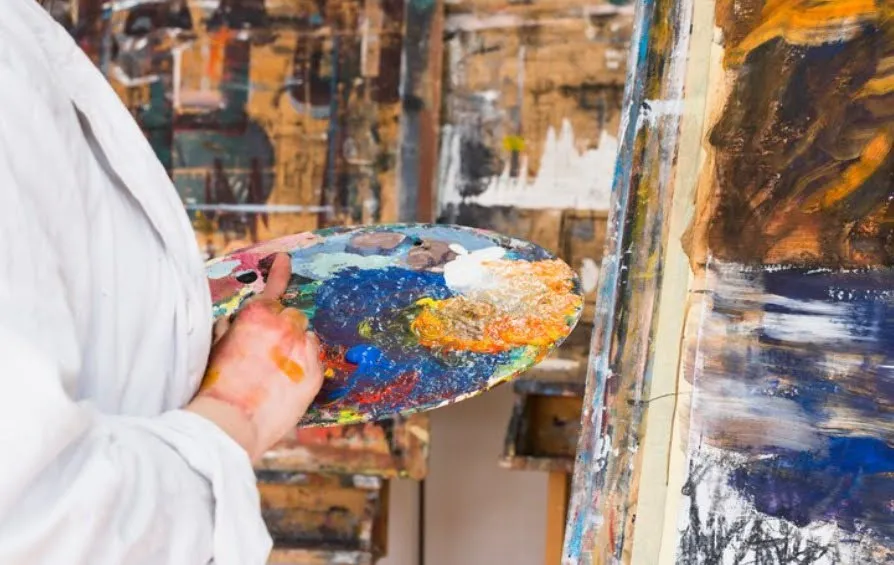
Brush impacts involve pressing the tip, edge, or body of a brush into thick paint to create textured patterns. The direction, pressure, and type of brush determine the final effect. This technique can add rhythm and energy to a painting, perfect for impressionistic or expressive styles.
Colour Blocking
Colour blocking is the application of thick paint in separate blocks or patches to define areas of the composition. This technique allows the artist to create contrast, highlight forms, and guide the viewer’s attention across the painting. Thick layers emphasise colour relationships and make compositions more visually striking
Sgraffito
Sgraffito involves scratching into a wet layer of paint to reveal the underlying colour. This creates intricate patterns, fine lines, or textural effects without adding extra paint. It is particularly useful for details such as tree branches, hair, or architectural lines.
Blending Layers
Blending layers is the gentle merging of thick paint to achieve smooth transitions while retaining texture. Using a brush or knife, artists softly blend one colour into another, maintaining the three-dimensional qualities of impasto. This technique is ideal for painting gradients, skies, or subtle shading.
Common Mistakes To Avoid
Even beginners can create beautiful impasto if they know what pitfalls to avoid.
- Too Thin Paint: Paint must be thick to hold texture. Thin paint flattens easily.
- Overworking the Surface: Excess blending removes texture.
- Weak Canvas: Unsupported surfaces may buckle or tear.
- Ignoring Drying Time: Oils take longer; rushing can damage layers.
- Using Soft Brushes Only: Firm tools are essential for texture.
- Neglecting Lighting: Thick paint reacts to light differently; observe as you work.
- Limited Colour Mixing: Over-mixing can dull vibrant impasto colours.
- Not Experimenting: Fear of mistakes stops creativity; impasto encourages bold trials.
Conclusion On Impasto Painting Technique
Impasto is a fun and expressive painting technique perfect for beginners and experienced artists alike. Thick paint adds texture, depth, and emotion to every piece. It encourages experimentation, builds confidence, and makes art more tactile and engaging.
At Art Pazionate, we guide students to explore impasto through hands-on practice and supportive instruction. Whether you join a casual art jam, an Ad hoc Art workshop, or your own home practice, we can help you bring bold and expressive textures to life.
Contact us to start your impasto journey today.
Frequently Asked Questions About Impasto Painting
What Does Impasto Mean In Painting?
Impasto is the technique of applying thick paint to a canvas so that texture and brush strokes remain visible. It gives paintings depth and dimension.
Is Impasto Suitable For Beginners?
Yes, impasto encourages experimentation without worrying about mistakes. It helps beginners gain confidence while exploring texture and colour.
Which Paint Works Best For Impasto?
Heavy body acrylics and oil paints work well. They maintain texture and allow layering for rich visual effects.
Do I Need Special Tools For Impasto?
Palette knives, stiff brushes, and texture mediums help, but beginners can start with simple tools and learn as they experiment.
Can Impasto Be Combined With Other Art Techniques?
Yes, impasto works with collage, mixed media, and even digital art simulations to create texture and depth in modern projects.