

Choosing between acrylic and oil painting can feel confusing, especially for beginners, parents with creative children, or anyone exploring art for the first time.
These two popular mediums are often compared because they offer very different experiences, one dries quickly and is wonderfully versatile, while the other allows slow, detailed blending. Understanding acrylic vs oil painting helps you decide which suits your project, pace, and artistic goals.
If you’re trying something new with your child or starting your own creative journey, this guide explains clearly how oil painting is different from acrylic so you can choose the medium that feels right for you.
What Is Acrylic Painting?
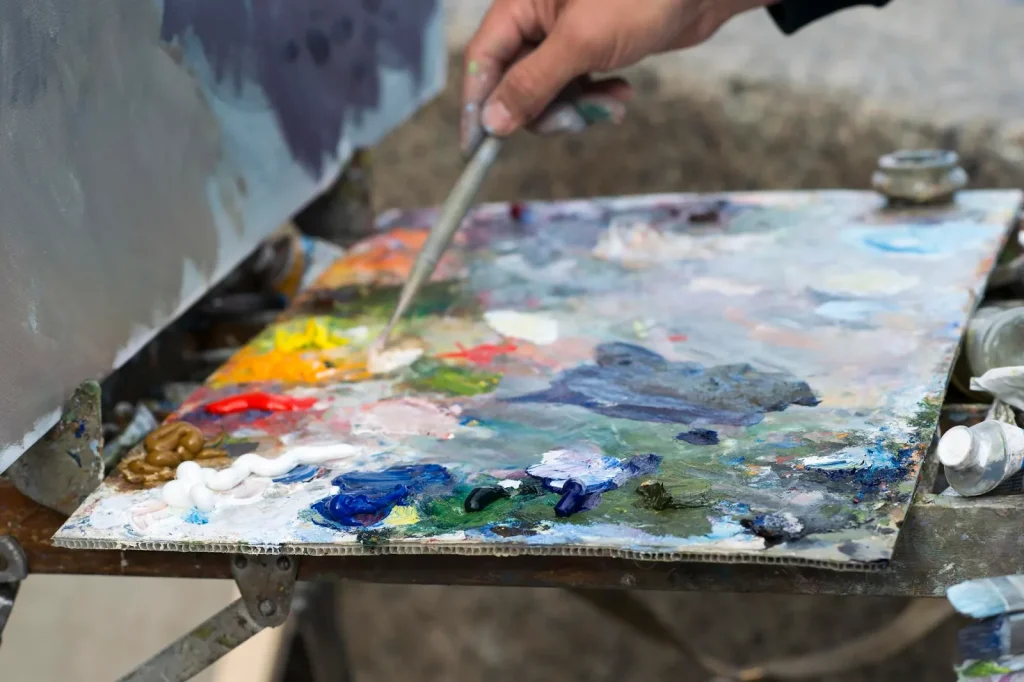
Acrylic painting uses water-based paint made from pigment suspended in an acrylic polymer emulsion, giving it a smooth, easy-to-use consistency that appeals to both beginners and experienced artists.
It dries quickly, allowing children and adults to complete artworks within shorter sessions, which makes it especially practical for classes, workshops, and family-friendly creative activities.
One of acrylic’s biggest strengths is its flexibility, artists can adjust the paint using different acrylic mediums to change thickness, transparency, texture, and even transform it into fabric paint.
Acrylic paints can be used on many surfaces including canvas, paper, wood, and craft materials, making them ideal for curious young learners exploring different textures and adults experimenting with new creative ideas.
What Is Oil Painting?
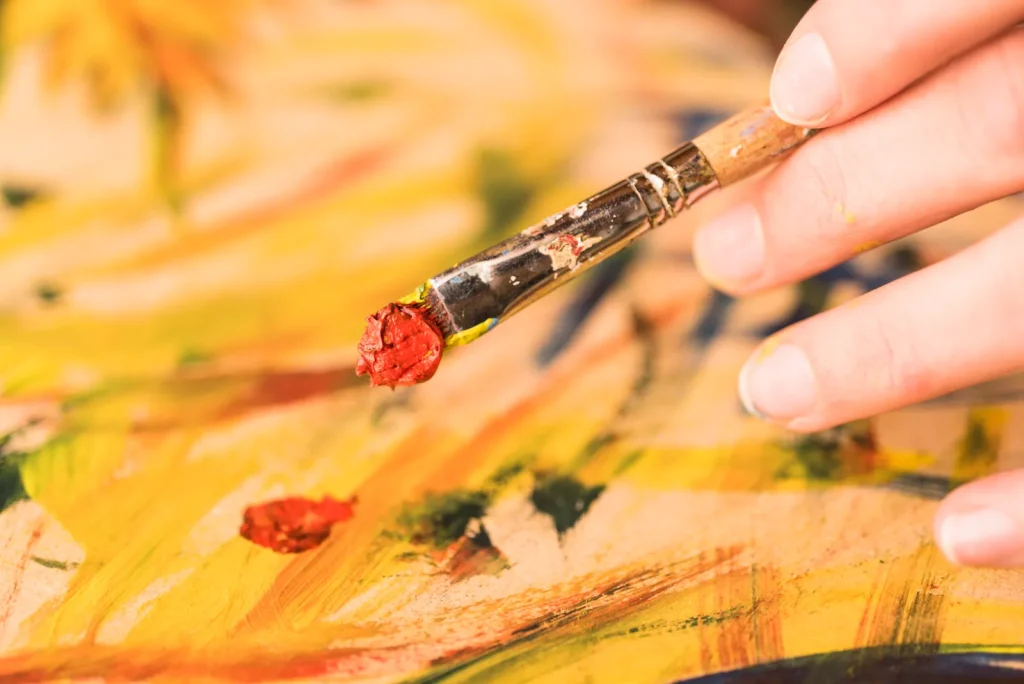
Oil painting is created using pigments mixed with a natural drying oil, such as linseed or walnut oil, giving the paint a rich, buttery texture that has been valued by artists for centuries.
Its slow drying nature makes it perfect for smooth blending, soft gradients, and fine details, providing beginners and growing artists with more time to adjust colours and refine shapes. This quality supports thoughtful, patient exploration, something many adult beginners find calming and deeply rewarding.
Oil paint is often associated with classical art because it allows techniques like glazing, subtle shading, and realistic rendering that bring portraits, landscapes, and still-life subjects to life. The depth and luminosity created by oils have made them a favourite choice for traditional fine art.
For parents and young learners, oil painting may be introduced at a later stage due to its use of specific tools and solvents, but it remains a beautiful medium for those looking to develop long-term artistic skills.
How Is Oil Painting Different From Acrylic? 8 Differences Between Acrylic And Oil Painting
Oil and acrylic paints may look similar on the palette, but they behave very differently once you begin using them.
The following eight comparisons will guide you through the features that shape each medium, helping parents, young learners, and adult beginners understand which option best supports the techniques, pace, and creative style they enjoy most.
1. Composition & Binder (Base Medium)
Oil paint is made by mixing pigment with natural drying oils such as linseed or walnut oil, giving it a smooth, buttery consistency that many artists appreciate.
Acrylic paint, on the other hand, uses pigment suspended in an acrylic polymer emulsion, creating a water-based medium that is easy to handle and simple to clean. This difference in composition affects how each paint adheres to surfaces and how it feels as you apply it.
Acrylic’s polymer base also makes it incredibly versatile, as it can be combined with a range of acrylic mediums to alter texture, sheen, thickness, or even turn it into fabric-safe paint.
This adaptability also allows for special effects such as glow-in-the-dark acrylic painting, which Art Pazionate offers in their Holiday Camp as well as Art Jam sessions. Oils are more traditional in structure and do not mix as readily with the wide range of additives available for acrylics.
2. Drying Time & Working Time
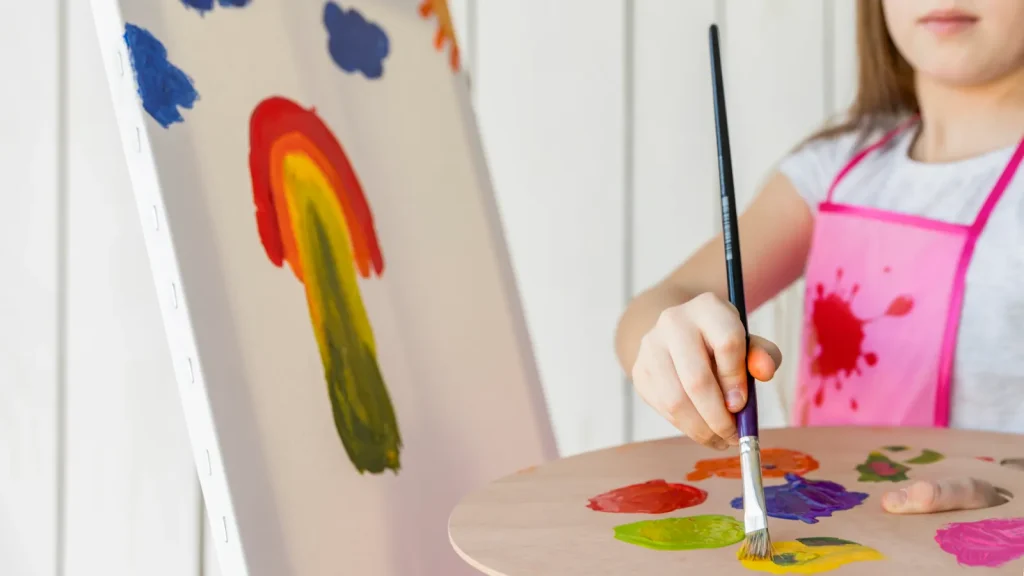
Oil paint dries very slowly, giving artists extended time for blending, smoothing transitions, and adjusting details across multiple sessions. This slow pace is helpful for adult beginners who enjoy a calm, reflective process and want more control while learning.
Acrylic paint dries much faster, which helps children and new artists complete their artwork within a shorter timeframe, ideal for classes and workshop settings.
Because acrylic paints dry quickly, artists may need to work at a steadier pace or use mediums that extend drying time to allow for smoother blending. The faster drying process also supports quick layering, making it easier for kids and beginners to build colours confidently.
Understanding these differences helps each student choose the workflow that feels most comfortable and enjoyable for them.
3. Blending, Layering & Texture Control
Oil paints are well-loved for their ability to blend smoothly and gradually because they remain wet for long periods. This slow drying time allows artists to create soft gradients, refined shadows, and delicate transitions, an advantage for learners who enjoy detailed, patient painting.
Acrylics, although fast-drying, still offer excellent texture control and can be used for techniques like impasto, glazing, or mixed media.
With the help of acrylic mediums, artists can thicken the paint, extend its open time, or improve flow for more refined layering. Oil paints cannot integrate these creative enhancements as effortlessly, making acrylics a fun and versatile choice for young learners and beginners who enjoy experimenting with effects and textures.
4. Surface Versatility & Medium Flexibility
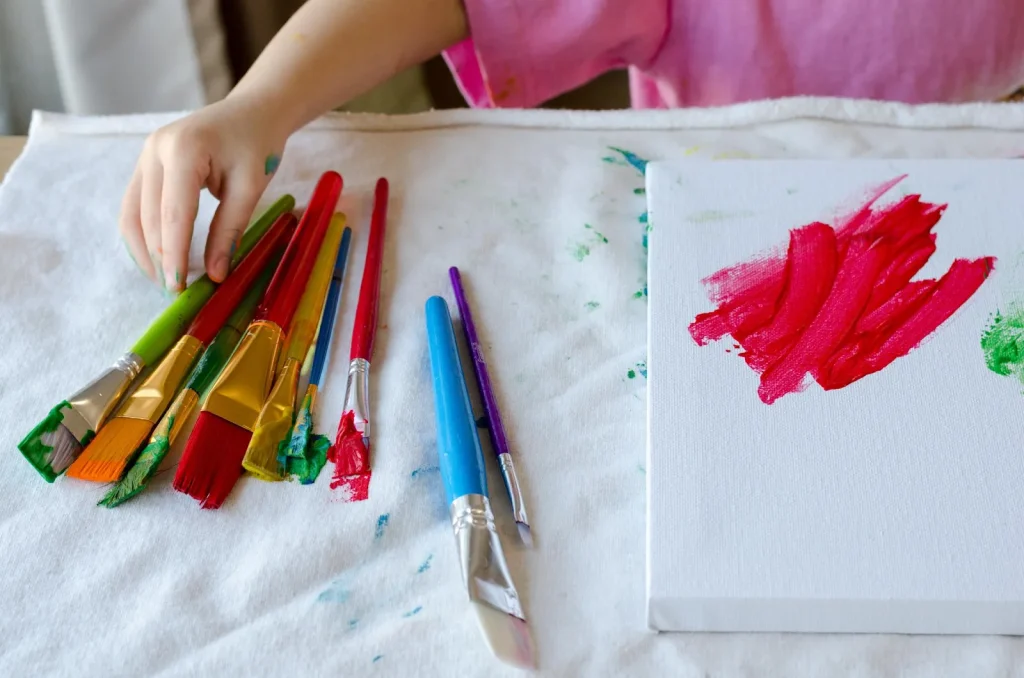
Acrylics are incredibly adaptable and can be used on a wide range of surfaces including canvas, paper, wood, fabric, and many craft materials.
Their water-based nature allows them to pair beautifully with different acrylic mediums that change viscosity, transparency, finish, or even turn them into fabric paint. This flexibility makes acrylics especially suitable for curious children and adults who enjoy trying new textures or mixed-media projects.
Because acrylics accept special additives, the medium is ideal for glow-in-the-dark enhancements. Although some artists use acrylic paints for pouring techniques, the studio does not do so.
Instead, the focus is on acrylic’s strengths in brushwork, texture creation, and the use of mediums that allow students to build dimension, explore unique surfaces, and develop artworks that truly express their ideas.
5. Cleanup, Safety & Studio Requirements
Acrylic paints are easy to clean up using just soap and water, making them convenient for busy parents, young children, and beginners who want a fuss-free art experience.
Oil paints, however, require solvents such as mineral spirits or turpentine, which means additional tools, proper ventilation, and more attention to safety. This distinction alone makes acrylic painting a popular choice in family-friendly art studios and classrooms, where quick tidying and minimal odour are important.
The low-odour and water-based nature of acrylic paints also makes them suitable for indoor use, even in smaller spaces.
Oils produce stronger smells and may need well-ventilated areas, which might not always be practical for home environments or children’s activities. For these reasons, acrylic painting is often the most accessible option for those starting their creative journey.
6. Final Look, Finish & Durability Over Time
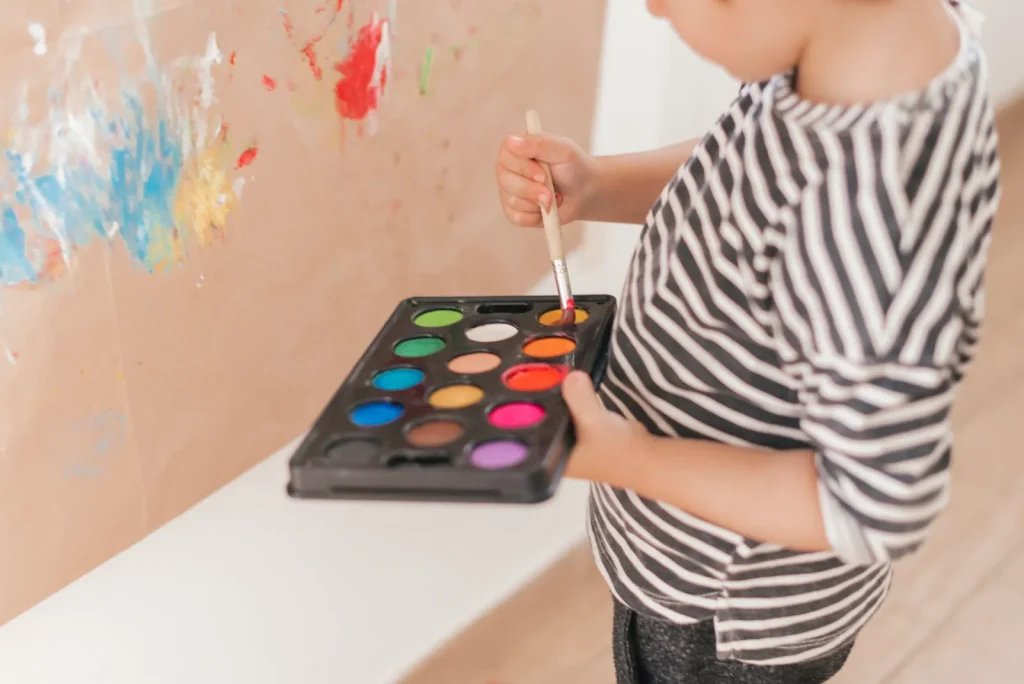
Oil paintings are known for their luxurious appearance, with deep colour saturation and a naturally glossy, luminous finish that has defined classical art for centuries.
Acrylic paints dry more quickly and can appear matte or glossy depending on the medium added, yet they maintain bright colours that resist yellowing over time. This stability makes acrylics very appealing for children and beginners who enjoy creating vivid, long-lasting artworks.
Once it’s dried, acrylic paint becomes flexible, allowing it to resist cracking even when it’s used on different surfaces or moved frequently.
Oils can develop cracks over the years if applied too thickly or the layers are not allowed proper drying time. These differences help artists decide the type of visual effect and long-term durability they want for their project.
7. Cost, Accessibility & Learning Curve
Acrylic paints are generally more affordable than oils, making them a practical starting point for beginners, families, and young children exploring art for the first time.
They require minimal materials and clean up easily, which lowers the overall cost and keeps the learning process simple and enjoyable. Oil painting, on the other hand, often involves additional expenses such as specialised brushes, artist-grade solvents, and traditional mediums that support blending and glazing.
Beyond cost, acrylics also offer a more accessible learning curve due to their fast drying time and versatile nature. Oils demand more patience and careful technique, as the slow drying process requires thoughtful layering and proper handling of materials.
For many new artists, acrylics provide a straightforward, friendly introduction to painting before advancing to the more complex world of oils.
8. Suitability To Project Type, Style, And Artistic Intent
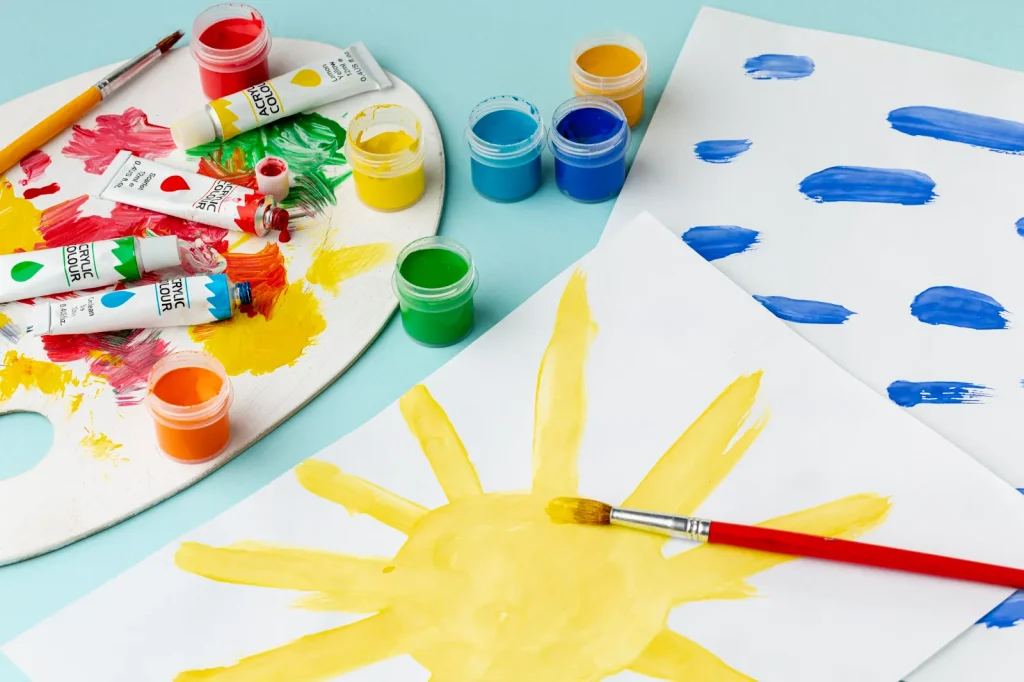
Oil paint shines in artworks that rely on depth, smooth transitions, and detailed realism, making it a favourite for portraits, landscapes, and classical fine art pieces.
Acrylic paints, with their bright colours and quick drying time, are ideal for bold, modern styles, mixed media projects, and artworks that require fast layering or strong graphic effects. They also pair beautifully with special additions such as glow-in-the-dark pigments, an exciting feature offered at Art Pazionate.
Because acrylics can be modified with a range of mediums, they work well for expressive or experimental pieces, as well as creative activities for children who enjoy trying different textures and techniques.
Oil paints remain the better choice for artists aiming for refined, traditional results, while acrylic paints support vibrant, imaginative works with more freedom. This makes it easier for kids and adults to decide which medium aligns with their artistic personality and goals
Which Medium Is Better For Beginners: Oil Or Acrylic?

Choosing the right medium often depends on how you like to learn, the time you have available, and the environment you’re painting in.
Acrylics are usually the most beginner-friendly option because they are affordable, dry quickly, and can be cleaned up with just water, ideal for parents working with young children and adults who want an easy, approachable start.
Their versatility also allows beginners to explore different textures, finishes, and special effects, including glow-in-the-dark pigments, without needing complicated tools.
Oil painting is still a wonderful choice for those who enjoy a slower pace and want more time to blend colours gently or create soft, classical effects. It simply requires a bit more patience and additional materials like solvents and dedicated brushes.
Both mediums offer meaningful learning experiences, so beginners can choose the one that best aligns with their creative style and comfort level.
Conclusion About Acrylic Painting Vs. Oil Painting
Understanding the main differences in acrylic vs oil painting helps you choose the medium that truly supports your creative goals. Oils offer slow, refined blending, while acrylics provide fast drying, bright colours, and flexible effects.
When considering how oil painting is different from acrylic, it simply comes down to how each medium behaves and the style of artwork you want to create.
At Art Pazionate, we go beyond teaching techniques, we create a nurturing space where children, teens, and adults can explore and grow their artistic potential. Instead of copying templates, our students are encouraged to think creatively, express freely, and infuse their own ideas into every artwork.
Our small class sizes allow us to understand each student deeply, guiding them patiently through complex ideas, helping them organise their thoughts, and strengthening both skill and confidence.
We offer a wide range of thoughtfully designed programmes, including weekly kids, teens, and adults art classes; mindfulness art sessions; ad-hoc workshops; school holiday camps; and corporate bonding workshops.
Our pazionate instructors provide close guidance, ensuring every learner, whether a young child or a complete beginner, feels supported, inspired, and steadily equipped with artistic skills.
While we don’t offer acrylic pouring, our acrylic painting lessons include creative options such as glow-in-the-dark painting and the use of various acrylic mediums to explore texture, opacity, and effects.
Contact us via WhatsApp or our contact form to begin your art journey. Children may also enjoy a free trial class when signing up for an 8- or 16-lesson package on the same day.
Frequently Asked Questions About Acrylic Painting Vs. Oil Painting
Does Acrylic Vs Oil Painting Make A Difference In How Quickly Children Can Complete An Artwork?
Yes, acrylic vs oil painting makes a significant difference in how fast children finish their projects. Acrylic paint dries quickly, allowing kids to layer colours, add details, and complete their artwork within a single class. Oil paint dries slowly, so children may need multiple sessions to finish even a small piece.
Should Beginners Compare Acrylic Vs Oil Painting Based On Drying Time Alone?
Drying time is important, but it shouldn’t be the only factor beginners consider. Acrylics are quick and convenient, while oils offer more time for gentle blending and detailed work. It’s better to choose a medium based on learning goals, comfort level, and the type of artwork you want to create.
Is Acrylic Vs Oil Painting Better For Children, School Projects, Or Family-Friendly Art Activities?
Acrylic paint is generally more suitable for children and family-friendly projects because it is water-based, easy to clean, and dries fast. It also works well on many surfaces, making it great for school activities and creative play. Oil paint is better kept for older learners or adults due to its slow drying time and use of solvents.
Which Medium Is More Affordable When Comparing Acrylic Vs Oil Painting For Long-Term Practice?
Acrylic paint is usually more affordable, making it ideal for long-term practice, especially for beginners and children. It requires fewer specialised tools and can be cleaned with just water. Oil painting tends to be more expensive due to the cost of paints, solvents, and dedicated brushes and surfaces.