
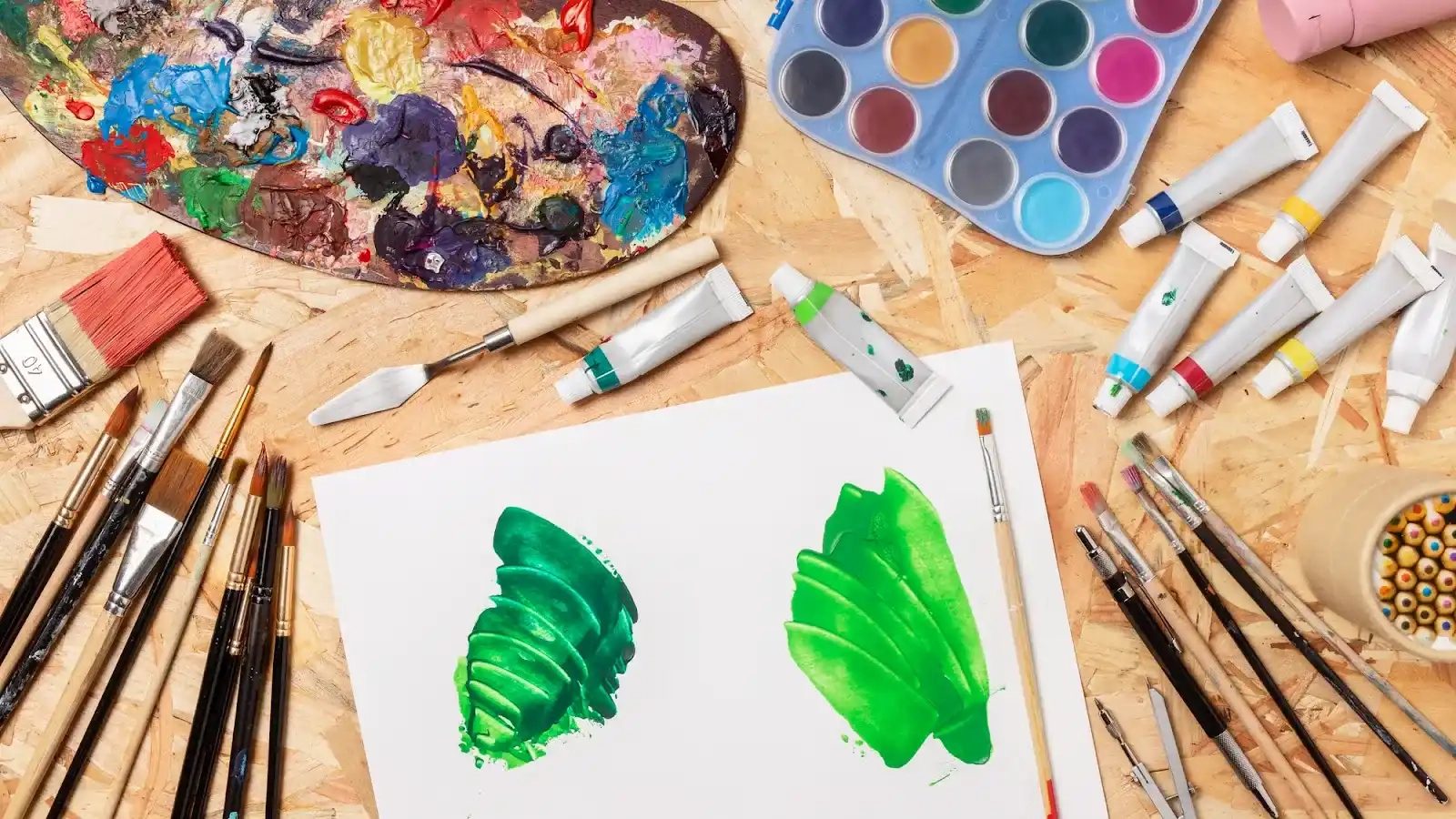
Choosing the right must have art supplies can make a world of difference for both young artists and adult beginners. With reliable, safe, and versatile tools, kids and new creatives can explore their imagination, build confidence, and develop strong foundational skills.
This guide highlights the essential art supplies that work beautifully across ages, making it easier for parents and beginners to set up an inviting, beginner-friendly art space at home or in a class setting.
If you’re encouraging a child’s curiosity or starting your own creative journey, these materials will help you get inspired and start creating.
1. Sketchbook / Mixed-Media Sketchbook

A sketchbook is one of the most important must have art supplies for young artists and beginners because it creates a safe, personal space to explore ideas freely.
Kids aged 4–12 benefit immensely from having a dedicated place to doodle, practise shapes, and develop hand–eye coordination, while adult beginners use sketchbooks to build confidence, warm up before larger artworks, and record creative thoughts. A sketchbook becomes a visual diary, something artists can revisit to see how much they’ve grown.
Regular sketchbooks usually contain lightweight paper suitable for pencils, crayons and simple markers, making them ideal for early drawing exercises. They are budget-friendly and perfect for daily practice.
Mixed-media sketchbooks, on the other hand, contain thicker, sturdier pages designed to handle a wider range of materials such as watercolours, ink pens and soft pastels. The extra durability means the paper won’t buckle easily, allowing students to experiment with different techniques without frustration.
2. Graphite Drawing Pencils (Various Grades)
Graphite drawing pencils come in a range of hardness grades, each serving a different artistic purpose. For beginners, understanding these grades opens up opportunities to explore depth, shading and line variation.
The standard HB pencil sits in the middle of the hardness spectrum and is excellent for everyday sketching. Softer pencils such as 2B, 4B or 6B produce darker, richer tones ideal for shading, while harder pencils like 2H or 4H create fine, precise lines without smudging.
Using multiple pencil grades allows artists to create contrast, texture and dimension even in simple drawings. Kids quickly learn how softer pencils glide smoothly and feel more expressive, while harder pencils help them achieve neater outlines.
Adult beginners appreciate how this small set of tools can dramatically elevate their sketches, making their artwork look more refined and intentional.
3. Pencil Sharpener
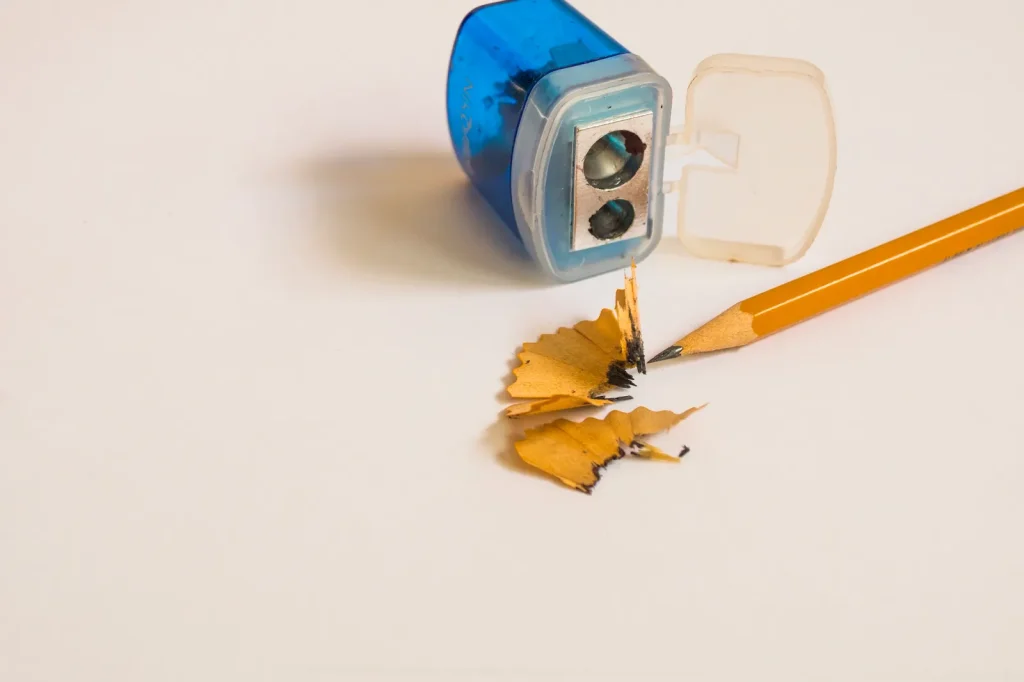
A good pencil sharpener is an essential companion to any drawing tool kit. It keeps pencils at the right point for precise lines, smoother shading and cleaner sketches.
A poorly sharpened pencil often leads to inconsistent marks, frequent breakage and unnecessary frustration, especially for younger artists still developing fine motor skills. Having a reliable sharpener ensures that drawing sessions remain enjoyable and uninterrupted.
For kids aged 4–12, a child-safe sharpener with a covered compartment is ideal. It prevents mess and helps keep small hands safe from exposed blades. Adult beginners may prefer manual sharpeners for greater control or battery-operated ones for convenience and consistent sharpening results.
Each type has its benefits: manual sharpeners are portable and affordable, while battery-operated versions create smooth points effortlessly.
Properly sharpened pencils glide more easily across the page, making the drawing experience more enjoyable and helping students focus on creativity rather than struggling with blunt tools.
4. Eraser (Regular + Kneaded, Optional)
An eraser may seem like a simple tool, but choosing the right type can make a noticeable difference for both kids and adult beginners. Standard erasers are firm and effective for removing everyday pencil marks, making them ideal for schoolwork, early sketches and quick corrections.
They come in various forms, vinyl, plastic or rubber, each designed to erase cleanly without leaving heavy smudges.
Kneaded erasers, on the other hand, are soft, pliable and can be shaped by hand. They lift graphite gently from the page rather than rubbing it off, which prevents paper fibres from tearing.
This makes them especially useful for shading adjustments, lightening areas or refining delicate details in drawings. Because they don’t crumble like regular erasers, kneaded versions last longer and produce no debris, contributing to a tidier workspace.
5. Coloured Pencils
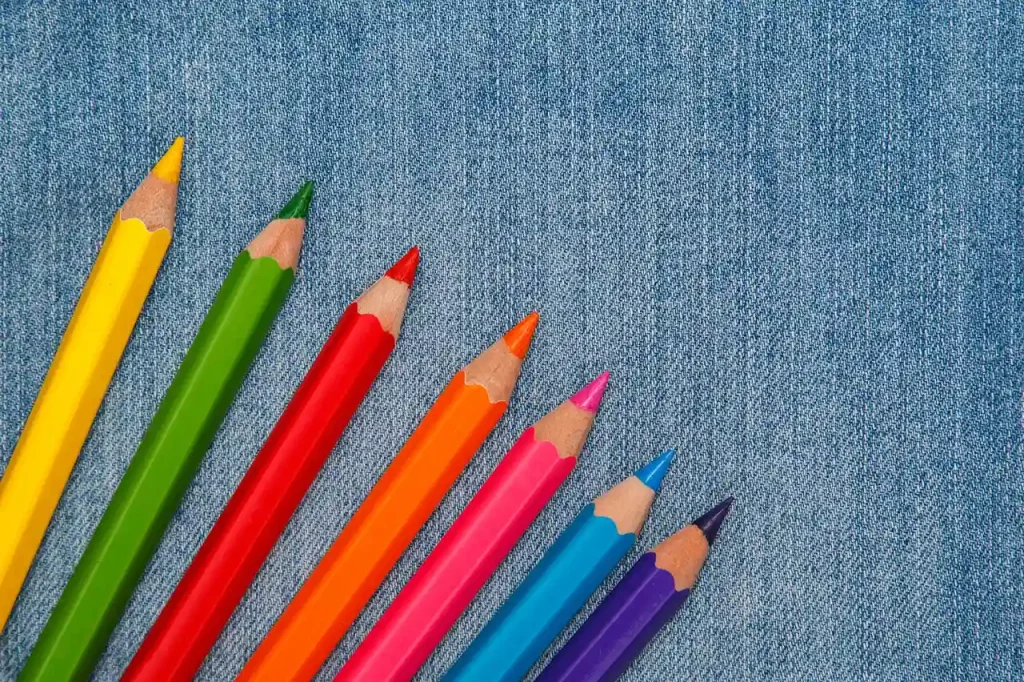
Coloured pencils are one of the most approachable essential art supplies for kids and adults alike. They offer a simple and enjoyable way to explore colour blending, layering and detailing without the mess of paint or water-based mediums.
Children benefit from the control coloured pencils provide, as they help strengthen fine motor skills and hand coordination. Adult beginners appreciate the sense of calm and focus that comes with slowly building up colour on the page.
Student-grade coloured pencils are typically designed for younger artists. They are more affordable, slightly firmer and easier to control, making them perfect for everyday colouring activities and school projects.
Artist-grade coloured pencils, in contrast, contain richer pigments and softer leads that allow for smooth blending, deep shading and more sophisticated colour transitions.
Adult learners or older children who are ready to explore more refined techniques may enjoy the expressive possibilities offered by higher-quality pencils.
6. Crayons Or Oil Pastels
Crayons and oil pastels both serve as excellent beginner tools, but they offer slightly different experiences depending on the artist’s age and goals. Crayons are a staple for young children because they are sturdy, easy to grip and work beautifully for bold, colourful drawings.
Their firm texture helps kids develop control while still enjoying bright, expressive marks. They are also low-mess, making them ideal for parents who want a manageable art activity at home.
Oil pastels, in contrast, have a much softer and creamier texture. They produce vivid colours that blend smoothly, allowing older kids and adult beginners to explore more expressive techniques such as smudging, layering and creating texture.
Their richness encourages experimentation with shading and bold contrasts, making them a great next step after crayons.
Both crayons and oil pastels offer tactile, sensory experiences that spark creativity and imagination. Their softness, vibrant colours and ease of use make them particularly appealing to beginners who want immediate, satisfying results.
Each medium inspires free expression, giving artists a chance to play with colour and form without needing specialised tools or advanced skills.
7. Washable Markers
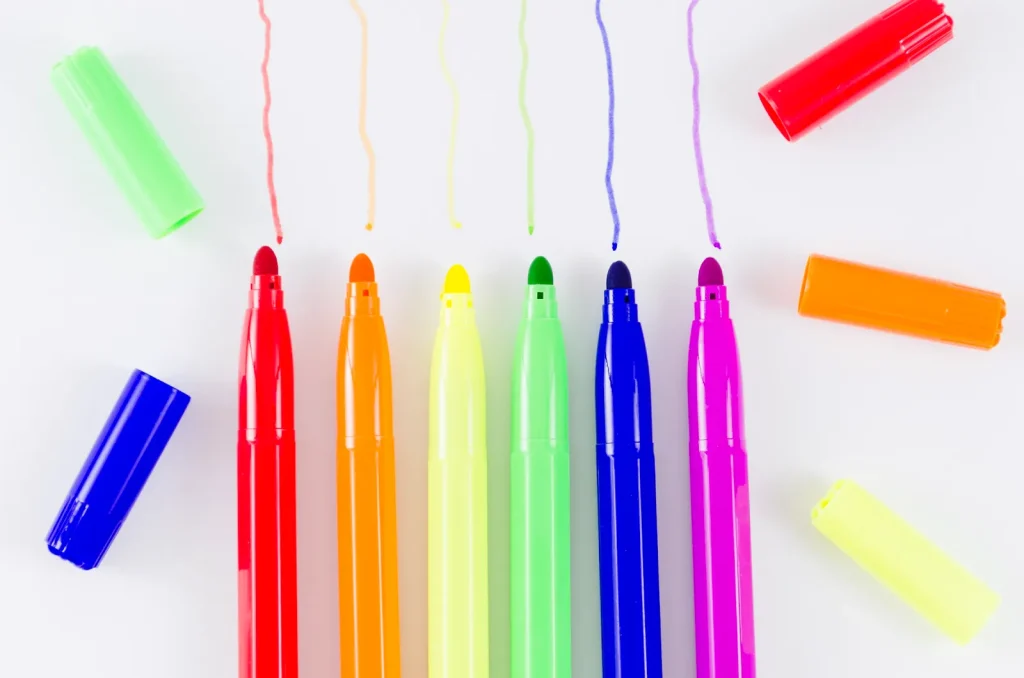
Washable markers are a favourite among parents because they offer vibrant colour without the worry of difficult clean-up.
Their water-based formulas allow marks on hands, furniture or clothing to be rinsed or wiped away easily, making art sessions far more enjoyable for kids. For adults who are beginning their creative journey, washable markers offer a low-pressure, mess-free introduction to colour exploration.
These markers produce bold, striking lines that help young artists express their ideas with confidence. They glide smoothly across paper, making them ideal for posters, illustrations, journalling and mixed-media projects.
Kids enjoy the instant, bright results, while beginners appreciate how markers remove the complexity of mixing paints or adjusting pressure in the early stages of learning.
8. Watercolour Paint Set
Watercolour paint sets are among the most beginner-friendly painting mediums, thanks to their gentle flow, easy clean-up and forgiving nature.
Kids and adult beginners can enjoy experimenting with colour without the heaviness of thicker paints. Watercolours also encourage exploration of blending, transparency and layering, skills that build confidence and artistic curiosity.
Pan sets are a popular option for young artists because they are compact, user-friendly and less messy. The colours are activated with water, making them ideal for quick painting sessions at home or in class.
Watercolour tubes offer richer pigments and greater flexibility for mixing, which older children and adult beginners may enjoy once they become more comfortable.
There are also specially designed kid-safe kits that include washable formulas and child-friendly palettes to ensure an accessible, positive painting experience.
9. Watercolour Paper
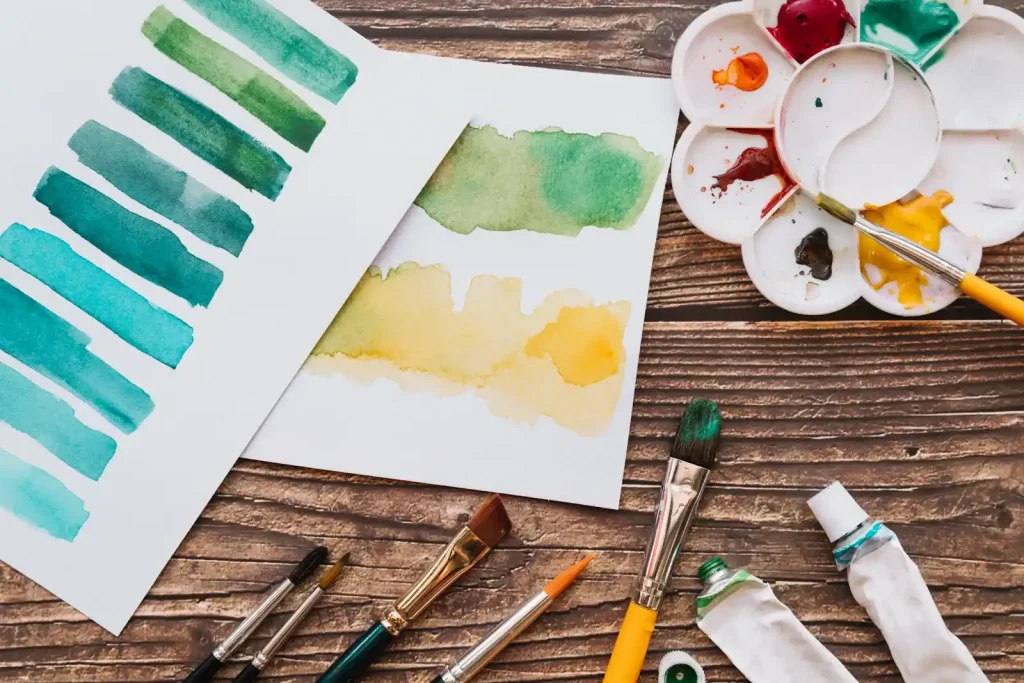
Using the right watercolour paper is essential for achieving smooth, vibrant results in any water-based painting. Watercolour paper is specially designed to absorb moisture without buckling or tearing, giving kids and adult beginners a sturdier surface to work on.
Regular paper absorbs water unevenly, often leading to wrinkling, dull colours and frustration, something that can discourage beginners from enjoying the painting process.
Watercolour paper varies in thickness, often measured in GSM (grams per square metre). Thicker paper, such as 300 GSM, is more durable and can handle multiple layers of paint.
Texture also plays a role: cold-press paper has a slightly textured surface that works well for general painting, while hot-press paper is smoother and ideal for detailed illustrations. Understanding these choices helps artists select the paper that matches their preferred style and skill level.
10. Washable Tempera Or Child-Safe Paints
Washable tempera paint is a wonderful choice for young children because it delivers bright, cheerful colours without the stress of stubborn stains. Its smooth, creamy texture makes it easy for little hands to spread across paper, creating bold and expressive artwork.
Parents appreciate that tempera paint is designed to wash off skin, tables and clothing with minimal effort, turning painting sessions into a fun activity rather than a messy ordeal.
Safety is a priority for families and educators, which is why many tempera paints are clearly labelled non-toxic and child-safe. These features ensure that kids can explore painting with confidence, while adults can supervise comfortably knowing that the materials meet safety standards.
Tempera paint also works well on a variety of surfaces, paper, cardboard and lightweight craft projects, making it an adaptable medium for both home and classroom use.
For older children or adult beginners who want to try something a little more exciting, glow-in-the-dark acrylic paint can be introduced later as part of creative exploration. It adds a sense of magic to simple projects, offering luminous effects that make artwork stand out, especially during themed lessons or evening workshops.
11. Paint Brushes
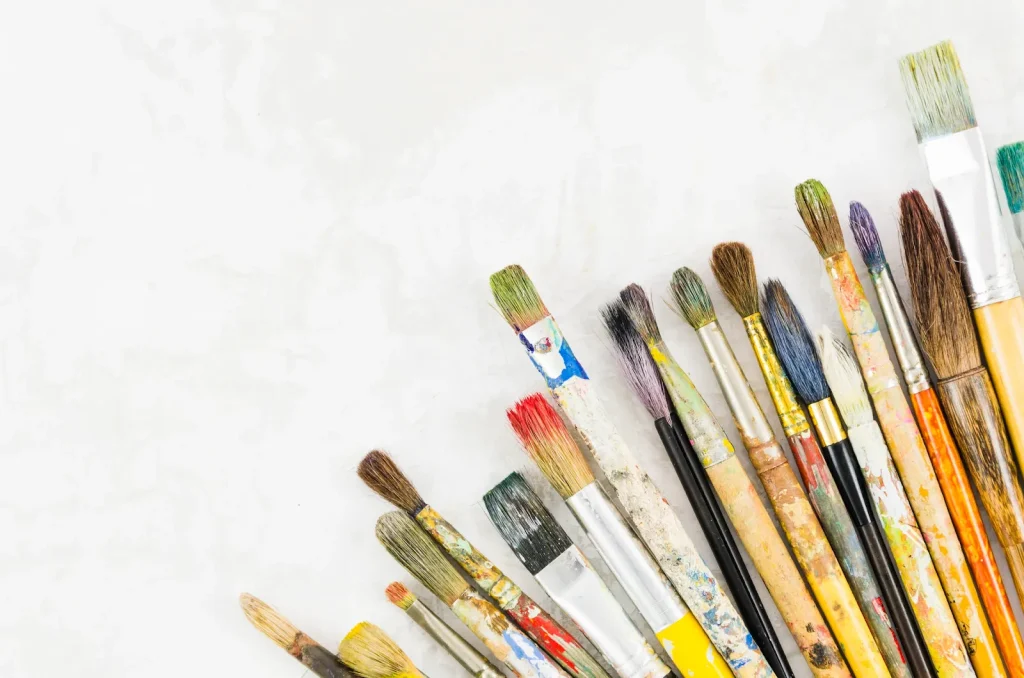
Paint brushes come in many shapes and sizes, each contributing to a different artistic effect. For beginners, having a small assortment of brush types makes painting more enjoyable and helps them discover how various strokes create depth, movement and texture.
Round brushes, for example, are excellent for outlines and curved strokes, while flat brushes allow for smooth washes and bold, straight edges. Filbert brushes blend the benefits of both, offering curved edges that are perfect for soft shading.
Synthetic brushes are often the best option for kids and adult beginners because they are durable, easy to clean and compatible with water-based paints like tempera and watercolour. They hold their shape well, even with frequent use, and tend to be gentler on paper.
Bristle brushes, made from natural fibres, are stiffer and create more textured, expressive marks. These are typically better suited for older children or adults who want to experiment with painterly effects.
12. Palette + Water Container
A palette is an essential tool for mixing colours and discovering new shades. Simple plastic or reusable palettes allow beginners to blend paint in small amounts, helping them understand how colours interact.
This hands-on mixing experience supports creativity and gives kids and adults the freedom to personalise their artwork with unique hues. Even young children quickly learn the joy of experimenting with colour combinations on a palette before applying them to paper.
A water container is equally important for any painting setup. It allows artists to rinse their brushes between colours, preventing muddy mixtures and keeping their artwork clean and vibrant.
Kids often need a sturdy, wide-based container that won’t tip over easily, while adults may prefer a dual-compartment pot to separate clean and dirty water. Both options help maintain a tidy workspace and promote good painting habits from the start.
13. Heavy-Duty Paper Or Canvas Board
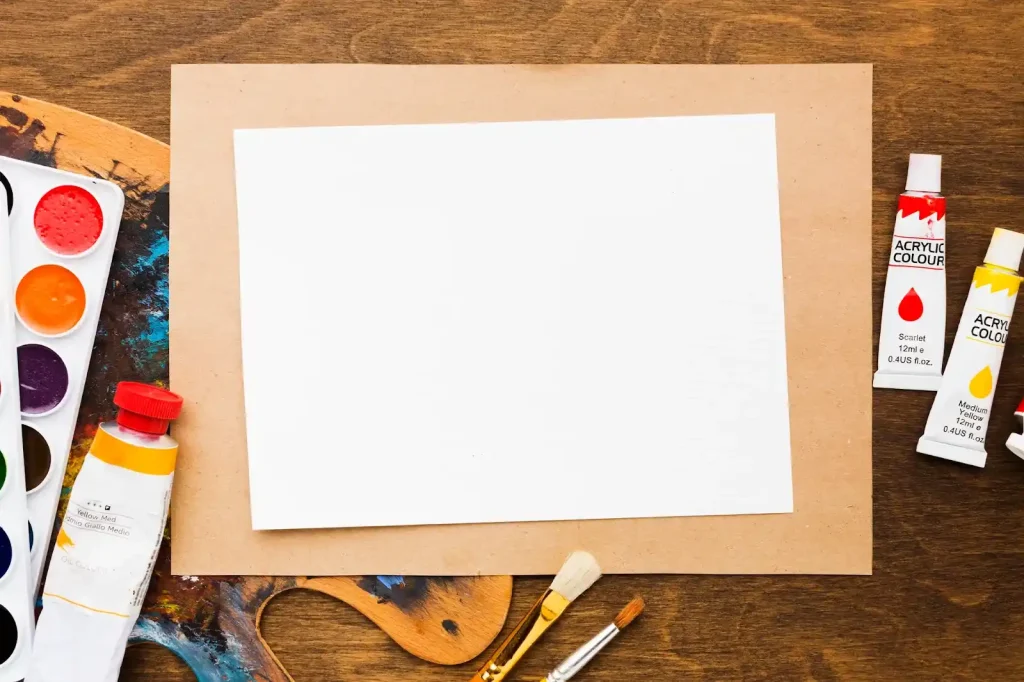
Heavy-duty paper and canvas boards provide the strength and durability needed for acrylic and mixed-media projects.
Unlike regular paper, these sturdier surfaces can withstand repeated layering, thicker paint applications and more energetic brushstrokes, important for both young children who paint enthusiastically and adult beginners trying out new techniques.
Their firm structure prevents buckling and tearing, ensuring that artworks stay intact throughout the creative process.
Canvas boards are made by mounting canvas onto a rigid backing, giving beginners a professional-looking surface without the cost of stretched canvas.
They are ideal for acrylics, textured painting and projects that require a more robust base. Thick mixed-media paper, typically found in 200–300 GSM weights, is a flexible alternative for those who prefer a pad format.
This type of paper holds water, acrylics, markers and pastels well, making it a versatile choice for early experimentation.
These surfaces also work beautifully for glow-in-the-dark acrylic painting. Their strength supports the extra layering needed to build luminous effects, allowing colours to appear brighter and more vibrant.
For kids, this adds a level of excitement to painting sessions, while adult beginners enjoy exploring unique techniques without worrying about damaging the surface. Investing in sturdier materials ensures smoother results and greater satisfaction for artists at any level.
14. Construction Or Craft Paper (Coloured Paper)
Coloured construction or craft paper is a staple in many creative environments due to its versatility and ease of use. For kids aged 4–12, its bright colours and soft texture make it perfect for drawing, crafting and school projects.
The wide range of hues encourages young artists to think creatively about backgrounds, layering and contrast. Adult beginners also appreciate how coloured paper can instantly enhance a simple idea, giving projects a more polished appearance with minimal effort.
One of the greatest strengths of coloured paper is its suitability for collage work. Its lightweight structure makes it easy to cut, tear or fold, allowing children to experiment with shapes, textures and composition.
It is also excellent for mixed-media art, as it pairs well with crayons, markers, glue, paint and other basic supplies. Artists can build scenes, create patterns or design layered artworks that foster imagination and storytelling.
15. Glue Stick Or Non-Toxic Glue
Safe, reliable adhesives are essential in any beginner’s art kit, particularly for children who enjoy craft-based projects. Glue sticks are one of the most convenient options for young artists, they are clean, easy to apply and ideal for paper-based activities.
Their quick-drying nature makes them perfect for collages, school assignments and light craftwork. Parents appreciate that glue sticks produce minimal mess, making them a welcoming option for home use.
Non-toxic liquid glue provides stronger adhesion for projects that require durability or involve heavier materials. It is well suited for mixed-media activities, such as attaching layers of paper, adding textured elements or securing small craft pieces.
Many liquid glues come with child-safe applicator tips, which help control the amount dispensed and reduce accidental spills. This makes them practical for older children and adult beginners looking to explore more detailed craftwork.
16. Child-Safe Scissors
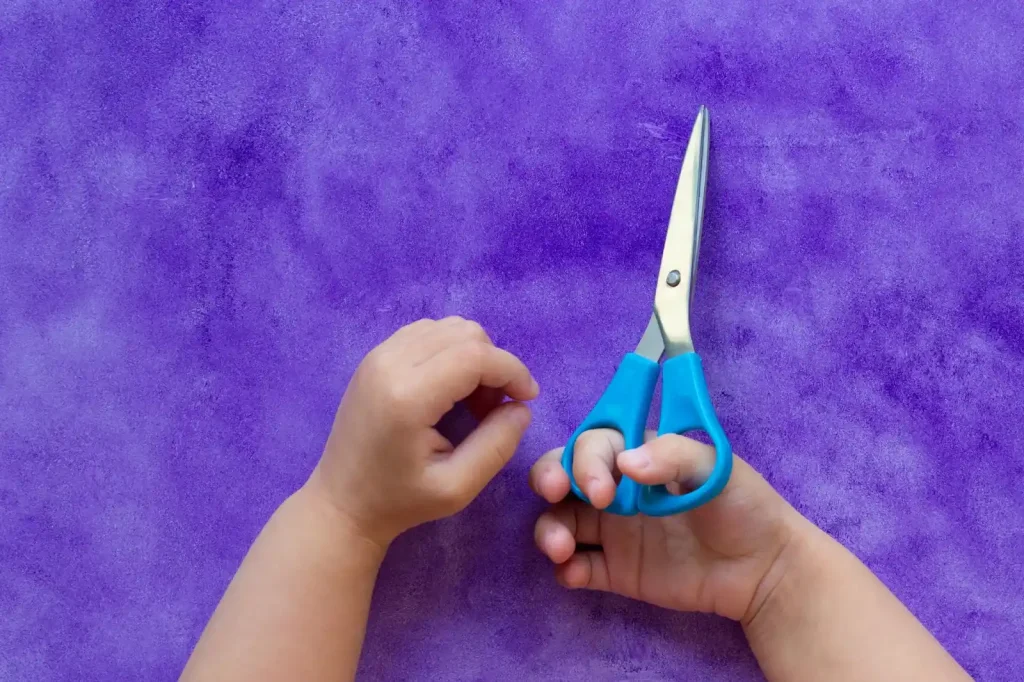
Child-safe scissors are an essential part of any art space, especially in homes and classrooms where young children are exploring early craft skills.
These scissors are designed with safety in mind, featuring rounded tips, protective grips and blades that can cut paper effectively without posing unnecessary risk. For kids, using the right pair ensures that creative activities remain enjoyable and secure.
There are different types of child-safe scissors available, each catering to specific age groups and hand sizes. Some come with spring-assisted handles that help younger children open and close the blades more easily, while others feature ergonomic grips that support left-handed or right-handed use.
Parents and teachers appreciate these thoughtful designs because they reduce strain and help children control their movements with greater confidence.
17. Modeling Clay / Air-Dry Clay / Play-Dough
Clay-based materials offer a wonderful way for children and adult beginners to engage their senses while building essential motor skills.
The tactile experience of squeezing, rolling and shaping clay stimulates creativity and helps strengthen the small muscles in the hands and fingers. These materials are ideal for kids aged 4–12, who naturally enjoy sensory play, and for adults who want a relaxing and expressive medium to explore.
Play-dough is perfect for younger children because it is soft, easily mouldable and forgiving. Kids can shape it repeatedly without it drying out too quickly, allowing them to experiment freely. It encourages imaginative play as they create simple forms like animals, fruits or shapes.
Air-dry clay, on the other hand, is better suited for older kids and adults who are ready for more detailed sculpting. It hardens naturally when exposed to air, making it ideal for projects that will be kept and displayed.
18. Large-Format Drawing / Easel Paper Or Paper Roll
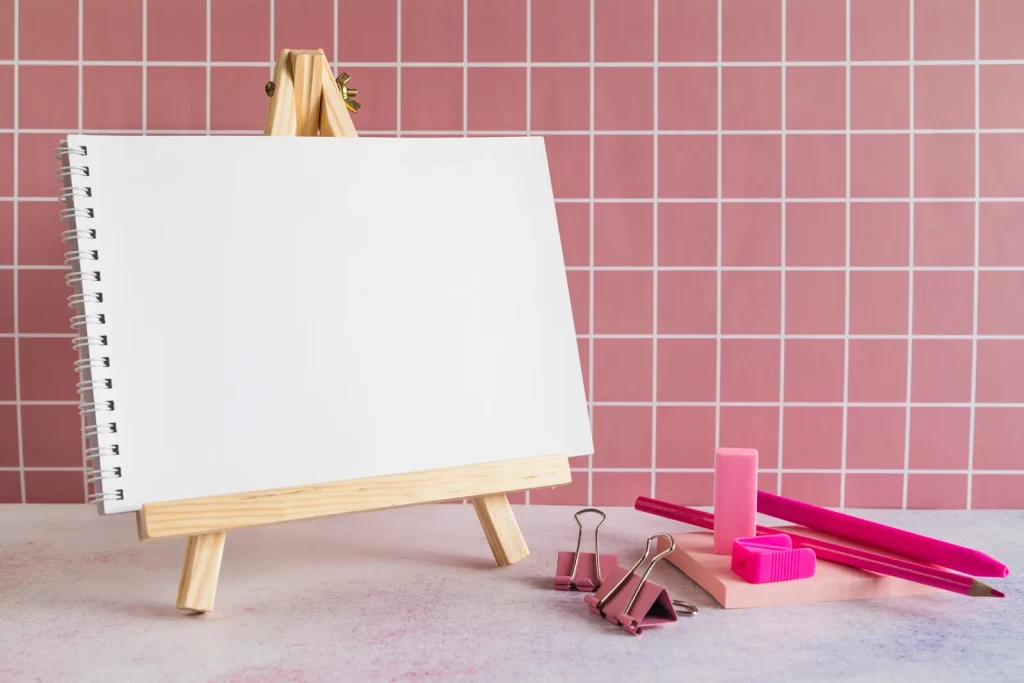
Large-format drawing paper and paper rolls bring a sense of excitement to art-making, making them especially appealing for young children who love working on a grand scale.
These oversized surfaces give kids the freedom to stretch their arms, move around and create expressive marks without feeling limited by the size of a standard sheet. Adult beginners can also benefit from large surfaces when practising loose sketches or warming up before detailed artwork.
Easel paper pads or hanging paper rolls are commonly used for group projects, collaborative activities or mural-style drawings. Their generous size encourages interaction and teamwork, making them perfect for classrooms, family activities or community workshops.
Kids enjoy the physical movement involved, kneeling, standing, reaching and sweeping their hands across the paper, which supports both creativity and motor development.
Using paper rolls adds a dynamic element to art sessions. They can pull out as much paper as they need, experiment with long strokes and explore storytelling across wide spaces.
This format helps build confidence, as larger drawings feel less restrictive and more playful. Large-format paper transforms art-making into a lively, engaging experience for artists of all ages.
19. Storage / Art Supply Organizer / Box
A reliable storage system is essential for keeping art time calm, organised and enjoyable. Kids and adult beginners often use multiple tools during a single session, and having everything in designated places prevents clutter from piling up.
An organised art space also helps young children focus more easily, as they can clearly see and access the materials they need without getting overwhelmed.
Storage solutions vary depending on the environment. For homes, small organisers, stackable drawers or portable art boxes work well for keeping supplies tidy in a shared space.
Classrooms often benefit from cubby-style units or labelled bins that allow children to return their materials independently. Adult beginners may prefer compartmentalised cases or trolley-style carts that can be moved around a studio corner or study area.
20. Non-Toxic / Washable Art Materials (Paint, Markers)
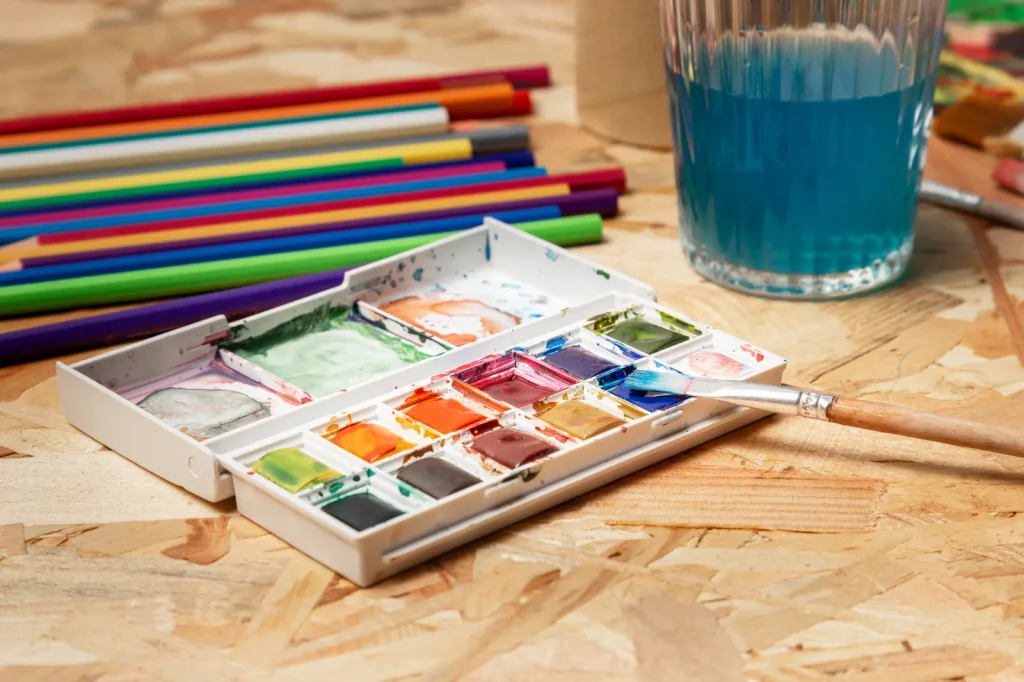
Safety plays a key role in any art activity involving children, which is why non-toxic and washable materials are so valuable.
Parents can rest assured knowing that the paints, markers and supplies their children use meet safety standards and are formulated to be gentle on skin and safe for little hands. These materials allow kids aged 4–12 to explore freely without parents worrying about harmful ingredients or stubborn stains.
Many art products carry certifications such as ASTM D-4236 or EN-71, which indicate they have been tested for safety and deemed appropriate for children’s use.
Labels like “AP Certified Non-Toxic” or “CE Approved” also help parents identify trustworthy brands. These markings are especially important for younger children who may accidentally touch their face or mouth during creative play.
21. Fine-Liner Pens Or Drawing Pens
Fine-liner pens are excellent tools for beginners who enjoy outlining, comic art, journalling or adding intricate details to their drawings.
These pens produce consistent, crisp lines that help artists develop control and precision. Kids enjoy the smooth flow and defined marks, while adult beginners appreciate how fine-liners instantly enhance the overall look of their sketches.
Fine-liners come in various tip sizes, typically ranging from 0.05 mm for very delicate lines to 1.0 mm for bolder strokes.
Beginners often start with mid-range sizes like 0.3 mm or 0.5 mm, as they provide a good balance between detail and ease of use. Some pens feature brush tips, allowing for expressive strokes and calligraphy-style effects, which older kids and adults may enjoy experimenting with.
These pens elevate simple drawings by adding structure, depth and clarity. Kids can outline their coloured pencil or marker drawings for extra impact, while adults can use them to add detail to sketches or create clean, minimalistic artwork.
22. Water-Cup / Cloth / Wipes
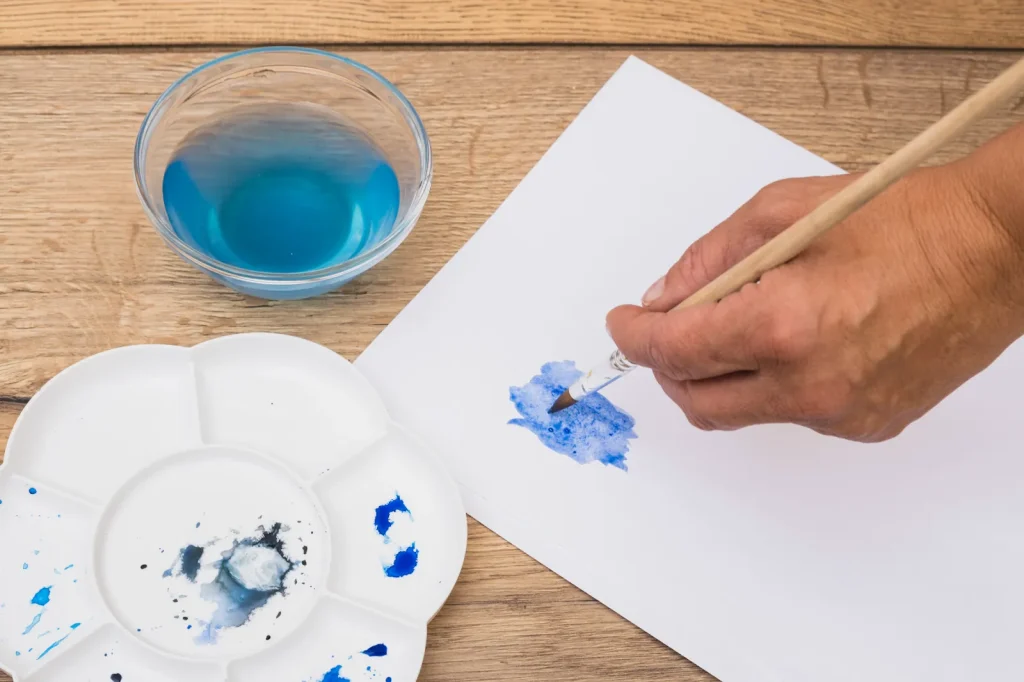
Simple cleaning tools like water-cups, cloths and wipes play a surprisingly important role in keeping art sessions smooth and enjoyable.
A sturdy water-cup allows artists to rinse their brushes properly between colours, helping maintain clean, vibrant paint mixtures and preventing muddy results. For kids aged 4–12, using a wide-based water container reduces the risk of spills, making the experience more manageable and less stressful for parents.
Cloths and wipes support quick clean-ups throughout the session. Reusable cloths are excellent for drying brushes, wiping hands or cleaning small paint drips, making them eco-friendly and cost-effective.
Disposable wipes offer convenience for fast, fuss-free tidying, especially during group sessions or when time is limited. Both options help keep the workspace neat, ensuring the focus stays on creativity instead of mess.
23. Pencil Case Or Pouch
A pencil case or pouch is a practical addition to any beginner’s art kit, helping prevent small tools from getting lost or damaged.
Kids often use several items in a single session, pencils, erasers, sharpeners and markers, so having a designated place for these supplies keeps things tidy. Adult beginners also benefit from having their favourite drawing tools in one compact, organised space that can be carried around with ease.
Kid-friendly pouches often feature bright colours, fun patterns or sturdy, easy-to-open zips that help children stay organised independently.
Adult-friendly options might include minimalist designs, multiple compartments or durable materials like canvas or faux leather. Some pouches even open flat for easy access, making them convenient for art classes, travel or home practice.
24. Basic Palette Knife Or Mixing Tool
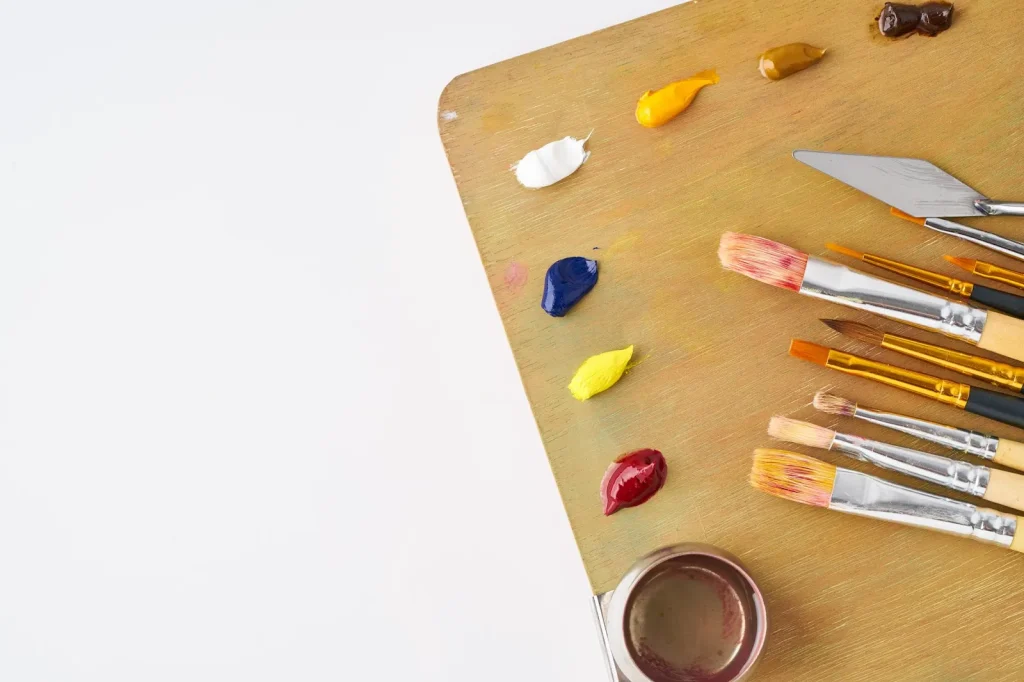
A palette knife is a simple but versatile tool used to mix paint, spread colour or add texture to artwork. For beginners, learning to mix colours with a knife keeps palettes neat and prevents brushes from becoming overloaded with paint.
It helps maintain colour purity and allows artists to blend shades more evenly, creating a smoother painting experience.
For children, lightweight plastic palette knives are the safest and most beginner-friendly option. They are easy to hold, gentle on surfaces and allow kids to explore texture in a controlled way. These tools introduce young artists to the idea of shaping paint, making them a fun addition to their creative toolkit.
Adult beginners may enjoy exploring palette knives for textured effects, layering techniques or thick paint applications.
The knife’s flexibility encourages experimentation, inviting learners to try new approaches beyond traditional brushwork. Palette knives open the door to expressive mark-making and make the painting process more dynamic and tactile.
25. Protective Covering / Mat / Old Newspapers
Protecting the workspace is essential when painting, drawing or working with mixed-media materials. Kids often create with enthusiasm, which can lead to splatters, drips and colourful marks spreading beyond the paper.
Using protective coverings helps maintain clean tables and floors, allowing parents and adult beginners to enjoy art time without worrying about stains or damage.
Reusable mats made from silicone or plastic are durable options that can be placed under art projects. They are easy to wipe clean and ideal for regular use.
Washable tablecloths offer broader coverage and are perfect for larger setups, including easel work or group projects. Even simple layers of old newspapers provide an effective barrier, catching spills and making disposal quick and convenient.
Conclusion About The Essential Art Supplies For Kids And Adults
Choosing the right must have art supplies gives both kids and adult beginners the confidence to create, experiment and grow. With a simple set of essential art supplies, you can build an age-friendly space that supports learning, encourages curiosity and makes every art session more enjoyable.
The goal is not perfection, but giving yourself or your child the right tools to begin, and the freedom to keep exploring.
If you’re looking for a supportive environment to continue that journey, Art Pazionate offers a nurturing space for children, teens and adults to develop artistic and creative-thinking skills while expressing their individuality.
Students are encouraged to think boldly, explore their own ideas and enjoy the process of creating meaningful art.
With small class sizes, close guidance and thoughtfully designed programmes, from weekly kids’ classes to adults’ sessions, holiday workshops and mindfulness art, you’ll find a place where creativity truly thrives.
To start your artistic journey, contact Art Pazionate via WhatsApp or our contact form. Parents may also enjoy a free trial class when signing up for an 8- or 16-lesson package on the same day.
Frequently Asked Questions About The Essential Art Supplies For Kids And Adults
Are Essential Art Supplies Different For Kids And Adults?
The core materials remain similar, but kids need washable, non-toxic options, while adults may prefer higher-quality pencils, papers and paints for improved control and technique.
How Do I Choose Art Supplies That Are Safe For Young Children?
Look for non-toxic labels, washable formulas, rounded edges and age-appropriate tools. Safety should always be prioritised when selecting must have art supplies for kids.
Is It Necessary To Buy All Must Have Art Supplies At Once When Starting Art?
No. You can begin with a few basics and gradually add more must have art supplies as your skills and confidence grow.
When Is The Right Time For Kids To Upgrade From Basic Tools To Higher-Quality Essential Art Supplies?
Kids can upgrade once they show good control, interest and readiness to try new techniques. Higher-quality essential art supplies help them progress smoothly.
Do Art Supplies Vary Depending On The Art Style A Beginner Wants To Explore?
Yes. Different styles may require different art supplies, such as finer pens for line work or thicker paper for painting.