
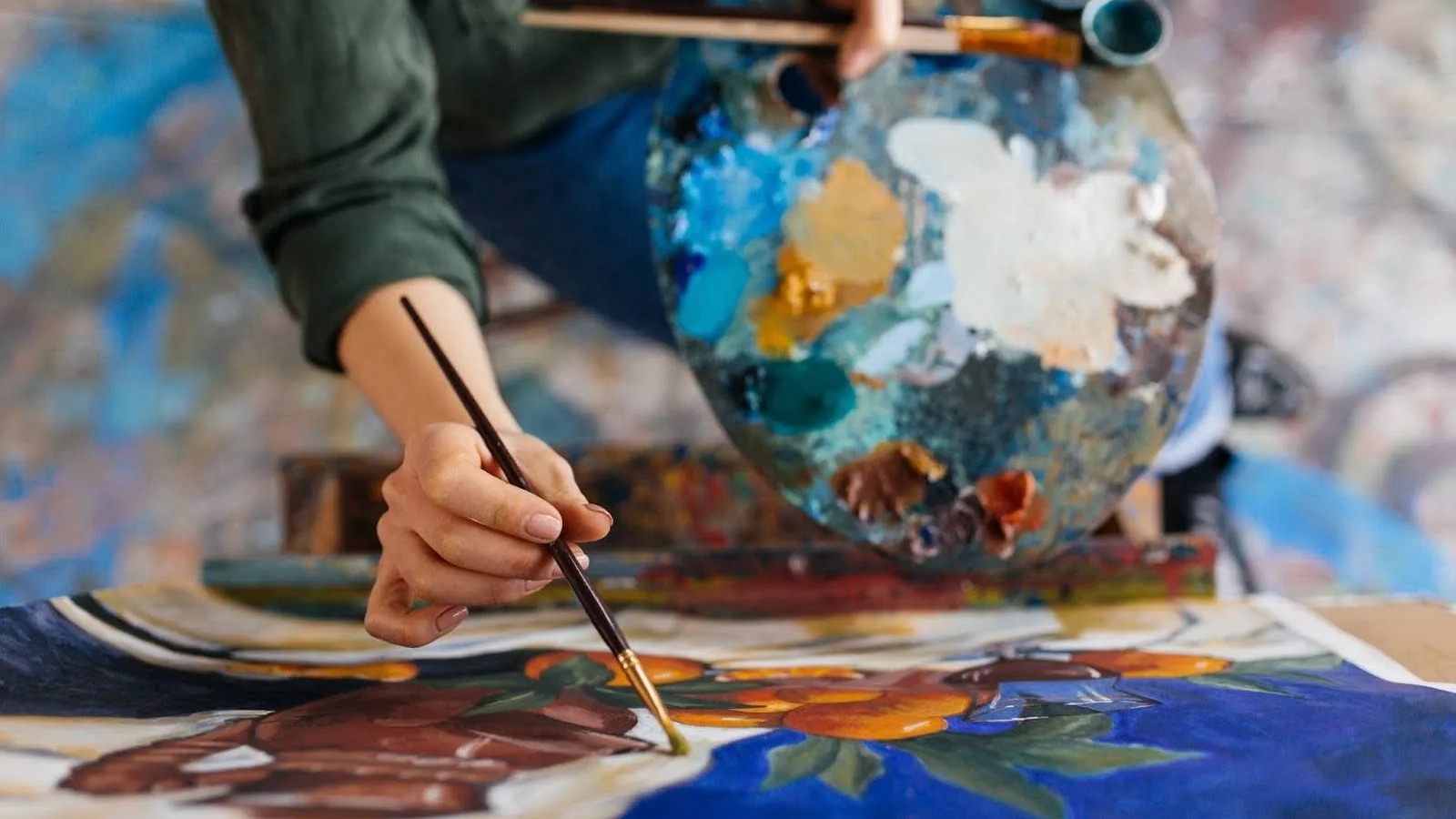
Painting is one of the oldest and most enjoyable ways people express ideas, feelings, and stories. When you look at different artworks, you may notice that some paintings look very realistic, while others look colourful, playful, or even strange. These differences exist because artists use different painting styles to show what they want to communicate.
In this article, we will explore painting styles in a simple and easy way. You do not need any art background to understand this guide. We will explain what painting styles are, why they matter, and how beginners like you can start learning them with confidence and curiosity.
What Are Painting Styles?
Painting styles are the different ways artists use paint to create artwork. A style is shaped by how an artist paints, what they paint, and how they want viewers to feel when they see the artwork. Some styles focus on copying real life, while others focus on imagination or emotions.
Over time, artists developed new painting styles as the world changed. History, culture, and personal experiences all influence how artists paint. Learning about painting styles helps beginners understand why paintings look different and how each artwork tells a story in its own way.
Common Features Of Painting Styles:
- Brushwork: Some styles use smooth strokes, while others show thick and rough brush marks.
- Colour Choices: Colours may look natural, bright, dark, or emotional.
- Subjects: Artists may paint people, nature, objects, or ideas.
- Feeling: Paintings can feel calm, exciting, sad, or joyful.
Types Of Painting Styles
Painting styles help artists decide how to paint and what message they want to share. Each style has its own way of using colour, shapes, and techniques. Learning these styles helps beginners understand art better and build confidence.
Realism
Realism is a painting style that focuses on showing subjects exactly as they appear in real life. Artists carefully observe people, objects, and places before painting. They aim to make the artwork look natural and believable, with accurate details and proportions.
This style requires patience and careful study. Realism helps beginners learn how light, shadows, and textures work together. It teaches artists to slow down and pay attention to small details in their surroundings.
Key Features:
- Accurate Details: Artists focus on realistic shapes, colours, and textures to match real life.
- Natural Lighting: Light and shadow are used to create depth and realism.
Impressionism
Impressionism focuses on capturing the feeling of a moment instead of perfect details. Artists paint quickly using loose brush strokes to show how light and movement change throughout the day. Paintings often look soft and lively.
This style encourages beginners to observe colour and light rather than outline shapes clearly. Impressionism teaches that a painting does not need to be exact to feel real and meaningful.
Key Features:
- Loose Brush Strokes: Paint is applied in visible strokes to show movement.
- Light and Colour: Colours are used to capture sunlight and atmosphere.
Expressionism
Expressionism is a style that focuses on emotions and feelings rather than realistic appearance. Artists alter colours and shapes to express their inner thoughts. Paintings may look bold, dramatic, or intense.
This style allows beginners to paint freely without worrying about being correct. Expressionism helps artists communicate emotions through colour and form.
Key Features:
- Emotional Colours: Strong colours are used to show feelings.
- Distorted Shapes: Objects are altered to express emotion.
Abstract Art
Abstract art does not show objects clearly or realistically. Instead, artists use shapes, lines, and colours to express ideas or moods. Viewers can interpret the painting in many different ways.
This style gives beginners complete creative freedom. Abstract art encourages imagination and helps build confidence in experimenting with ideas.
Key Features:
- Non-Realistic Forms: Shapes and lines do not represent real objects clearly.
- Open Interpretation: Viewers decide what the painting means to them.
Cubism
Cubism breaks objects into simple geometric shapes. Artists show different angles of the same object in one painting. This makes objects look fragmented and unusual.
Cubism helps beginners understand structure and form. It teaches artists to see objects from multiple viewpoints instead of just one.
Key Features:
- Geometric Shapes: Objects are simplified into shapes like squares and triangles.
- Multiple Perspectives: Different views appear in one artwork.
Surrealism
Surrealism mixes reality with imagination and dreams. Artists paint realistic objects but place them in strange or unexpected situations. The result feels mysterious and imaginative.
This style helps beginners explore storytelling and creative thinking. Surrealism encourages artists to turn ideas from dreams into visual art.
Key Features:
- Dream-Like Scenes: Paintings feel unreal but detailed.
- Unexpected Combinations: Ordinary objects appear in unusual settings.
Pop Art
Pop Art is inspired by popular culture and everyday life. Artists use images from advertisements, cartoons, and products. Colours are bright, and shapes are simple.
This style is easy to recognise and fun to create. Pop Art helps beginners understand how art connects to daily life.
Key Features:
- Bold Colours: Bright colours attract attention.
- Everyday Subjects: Common items are turned into art.
Digital Painting
Digital painting uses electronic tools instead of traditional brushes and canvas. Artists paint using tablets and computers while applying similar painting techniques.
This style is popular today and widely used in media and design. Digital art allows beginners to fix mistakes easily and experiment freely.
Key Features:
- Digital Tools: Tablets and software replace physical materials.
- Editable Layers: Artists can adjust and correct work easily.
Minimalism
Minimalism is a painting style that focuses on simplicity. Artists remove unnecessary details and use only a few colours, shapes, or elements. The goal is to create calm and balance rather than complexity.
This style teaches beginners that less can be more. Minimalism helps artists focus on composition, space, and meaning without feeling pressured to fill every part of the canvas.
Key Features:
- Simple Forms: Paintings use basic shapes and limited elements to create meaning.
- Limited Colours: A small colour palette helps keep the artwork calm and focused.
Folk Art
Folk art is a painting style that reflects culture, tradition, and everyday life. Artists often paint scenes from daily activities, festivals, or local stories. The style feels warm, personal, and familiar.
This style is usually created without strict rules or formal training. Folk art encourages beginners to tell stories from their own experiences and cultural background.
Key Features:
- Cultural Themes: Paintings show traditions, customs, and daily life.
- Handmade Feel: Artwork often looks simple and expressive rather than polished.
DIY Learning Vs Taking Art Class
Learning painting on your own can be fun and flexible. DIY learning allows beginners to explore painting styles at their own pace using books, videos, or practice at home. You can experiment freely and choose what to learn based on your interests. This approach works well for students who enjoy independent learning and self-discovery.
Taking adult classes offers structure and guidance. A teacher provides feedback, explains techniques clearly, and helps correct mistakes early. Classes also give students a chance to learn alongside others, which can boost confidence and motivation.
Key Differences:
- Learning Structure: DIY learning is flexible, while art classes follow a planned lesson path.
- Feedback: Art classes provide direct guidance, while DIY learners rely on self-review.
- Skill Growth: Classes often help students improve faster through regular practice.
- Motivation: Group learning can encourage consistency and confidence.
Tips To Prepare For Painting Style Class
Getting ready for a painting class helps beginners feel more confident and relaxed.
- Understand Basic Materials: Learn about brushes, paints, and paper so you feel comfortable using them.
- Try Different Styles: Exploring many styles helps you discover what you enjoy most.
- Observe Carefully: Look at artworks and notice colours, shapes, and details.
- Practise Often: Short practice sessions help build skills steadily.
- Ask For Help: Teachers and classmates can guide you when you feel unsure.
- Stay Positive: Learning art takes time and effort.
- Enjoy the Process: Focus on having fun rather than being perfect.
Many beginners enjoy learning through weekly art classes, which provide regular guidance and practice. Others join holiday art camps, which offer creative learning in a relaxed environment. There are also options like a class for adults, proving that learning painting styles is for everyone.
Conclusion On Painting Styles
Painting styles help artists express ideas in unique and meaningful ways. By learning about these styles, beginners can better understand art and develop confidence in their creativity. Each style offers new skills, perspectives, and inspiration.
At Art Pazionate, we believe learning painting styles should be enjoyable and supportive. We guide students with patience and care as they explore art at their own pace.
If you are ready to start your creative journey, we welcome you to contact us and learn with us.
Frequently Asked Questions About Painting Styles
What Are Painting Styles?
Painting styles are different ways artists use paint to create art. Each style has unique features and techniques.
Why Are Painting Styles Important?
Painting styles help artists communicate ideas and emotions. They also help viewers understand artworks better.
Can Beginners Learn Multiple Painting Styles?
Yes, beginners can explore many styles. Trying different styles helps improve creativity and confidence.
Do Painting Styles Follow Rules?
Some styles have guidelines, but creativity is always encouraged. Artists can adapt styles freely.
How Long Does It Take To Learn Painting Styles?
Learning painting styles takes time and practice. Enjoy the process and grow at your own pace.