
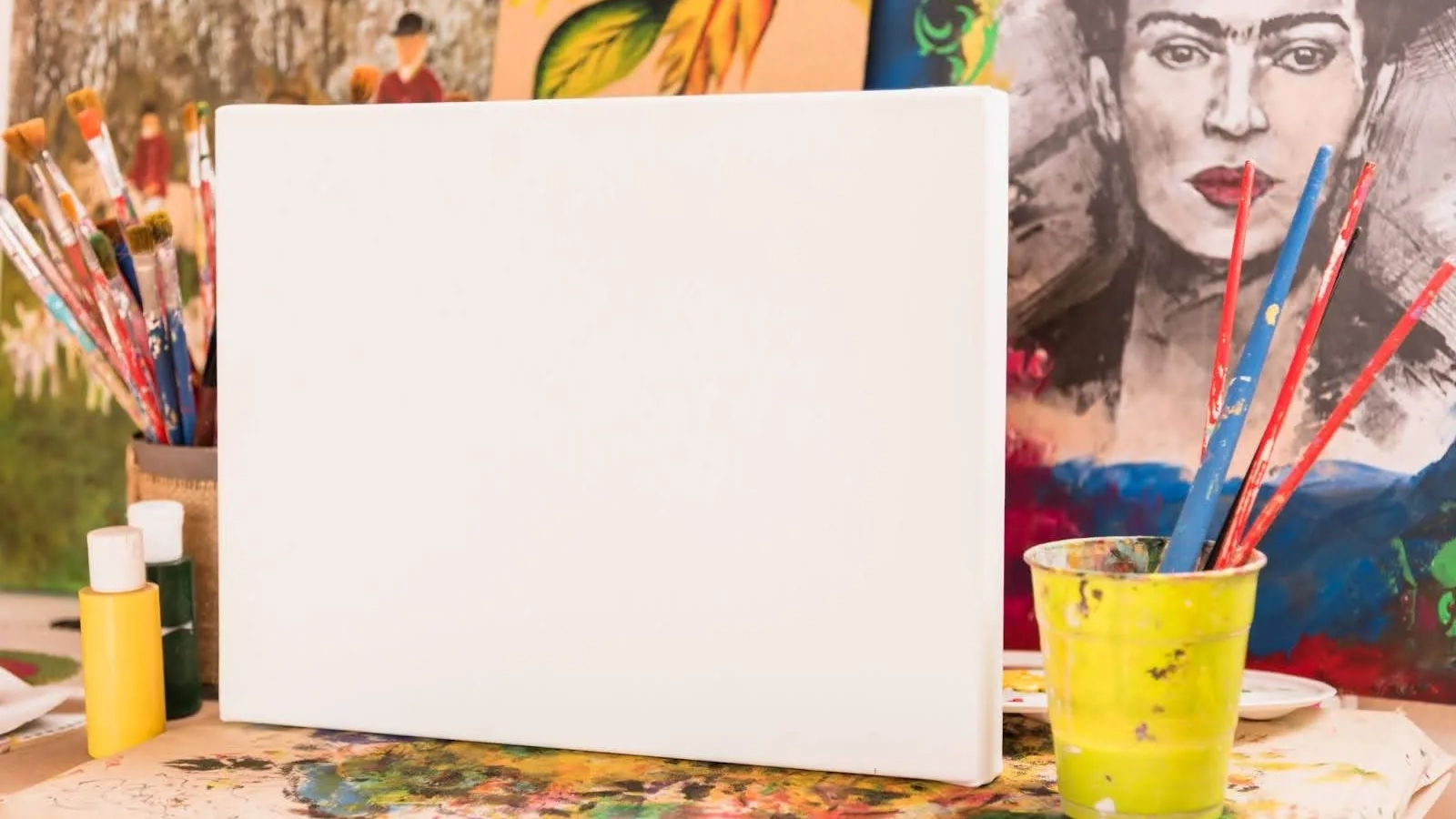
The sheer variety of types of canvas available can leave you feeling lost in the aisles of your local art supply store. This heavy-duty woven fabric serves as the soul of your painting, historically spun from hemp but now crafted from cotton or linen to grip your every brushstroke.
Few things are more discouraging than watching your hard work sag or warp because the support could not handle the layers of paint. A mismatch between your creative vision and your surface material can ruin even the most inspired piece before it dries.
This article explores the specific qualities of each fabric option to help you secure the longevity of your artwork. You will find the ideal foundation to support your medium and elevate your creative potential.
1. Cotton Canvas
Cotton is the most familiar and accessible surface for artists today. It provides a soft and reliable foundation that is easy to stretch over wooden bars. This makes it a favourite among students and professionals alike.
- Best Use: It is excellent for students practising their technique. It is also one of the preferred types of canvas for painting with acrylics used in art jamming due to its flexibility.
- Durability: It is moderately durable but can be prone to expanding or contracting with humidity changes.
- Benefits: It is highly affordable and widely available in various weights and textures.
2. Linen Canvas
Regarded as the gold standard in the art world, linen is crafted from flax fibres which are longer and stronger than cotton. The material retains natural oils that preserve the fibre’s flexibility over decades.
- Best Use: This is the ideal choice for professional portraits and archival oil paintings created in advanced adult art classes.
- Durability: It offers exceptional longevity and resists warping better than many different types of canvas.
- Benefits: It possesses a unique natural weave that adds character to the artwork and does not become brittle with age.
3. Synthetic Canvas
Modern synthetic canvases are typically engineered from polyester or nylon. These materials are created to overcome the limitations of natural fibres in specific environments. They provide a very uniform surface without the natural irregularities of flax or cotton.
- Best Use: It is perfect for highly detailed work where a smooth grain is required. It is also suitable for humid climates where mould is a concern.
- Durability: These fibres are highly resistant to mould, mildew and rot.
- Benefits: It is chemically stable and does not shrink or expand significantly when wet.
4. Blended Canvas
Blended canvas combines natural fibres like cotton or linen with synthetic fibres. This creates a poly cotton mix that offers the best of both worlds. It aims to provide the aesthetic of a natural weave with the structural integrity of modern engineering.
- Best Use: It is a practical choice for large scale works where sagging might be an issue with pure cotton.
- Durability: It is tougher than pure cotton and resists creasing.
- Benefits: You get the strength of synthetic canvas types at a more affordable price point than pure linen.
5. Hemp Canvas
Hemp was historically the original material used for canvas. In fact the word canvas is derived from cannabis. It is currently making a comeback as a sustainable option for eco conscious artists.
- Best Use: It is great for rustic pieces where a coarse texture is desired.
- Durability: It is naturally resistant to mildew and rot which makes it incredibly long lasting.
- Benefits: It is environmentally friendly and offers a robust and rugged surface.
6. Jute Canvas
Jute is often known as burlap or hessian. It features a distinctively wide and rugged weave that is quite different from standard types of painting canvas. It has a raw and earthy aesthetic that appeals to texture lovers.
- Best Use: It is suitable for broad and expressive applications or bold craft projects.
- Durability: It is less durable than other options as it can become brittle and weaken over time.
- Benefits: It provides a heavy texture that holds thick paint applications well.
7. Ramie Canvas
Ramie is a natural fibre known for its incredible strength and lustrous appearance. While it is less common than cotton or linen it is gaining attention. It is often resistant to bacteria and mildew.
- Best Use: It is often found in blends for home textiles or fashion apparel that require stiffness.
- Durability: It is one of the strongest natural fibres and holds its shape well.
- Benefits: It adds a natural lustre and significant strength to different canvas types when blended.
8. Acrylic Canvas
Acrylic canvas is a synthetic fabric specifically designed for colour retention. It is distinct from standard polyester options found in art shops. It is engineered to withstand harsh weather conditions without fading.
- Best Use: It is commonly used for marine covers, awnings and outdoor creative installations.
- Durability: It has excellent resistance to UV fading and weathering.
- Benefits: It maintains its colour vibrancy longer than most other materials.
9. Organic Cotton Canvas
This is the perfect choice for the environmentally conscious creative. It is produced without the use of synthetic pesticides or fertilisers. It maintains the classic feel of canvas types for painting while being kind to the planet.
- Best Use: It is ideal for artists who want to align their materials with their sustainable values.
- Durability: It offers similar strength and longevity to standard cotton duck.
- Benefits: It reduces environmental impact and often has a softer texture.
10. Canvas Paper
Canvas paper offers a convenient alternative to woven fabrics. It is essentially heavyweight paper that has been embossed with a texture to mimic canvas. It allows beginners, such as those in kids art classes, to experience the feel of the medium without the expense.
- Best Use: It is excellent for quick studies, colour testing and outdoor sketching.
- Durability: It is less durable than woven fabric and is not intended for archival masterpieces.
- Benefits: It is extremely portable, cost effective and requires no stretching.
Which Texture And Weave Should You Choose?
The “tooth” or texture of the canvas significantly impacts how paint is applied and how the final image looks. The weave dictates how much the paint grips the surface.
Plain Weave Vs Duck Weave
Plain Weave: This is a simple one over one pattern that creates a smooth surface, making it a popular choice among types of canvas for printing.
Duck Weave: This is a robust variation of the basket weave where two warp threads are treated as one. It creates a stronger and tighter fabric.
Texture Grades
Fine Texture: This is ideal for portraits and detailed work where a smooth finish is required. It allows for precise brushwork.
Medium Texture: This is a versatile surface that grips paint well. It is suitable for most painting styles.
Coarse Texture: This is best for heavy impasto work or broad brushstrokes. The weave adds to the overall aesthetic of the piece.
Understanding Canvas Weight And The Numbered Duck System
Canvas weight determines thickness and structural integrity which is usually measured in ounces per square yard. When comparing different canvas types, heavier weights are less likely to sag on large frames.
The Cotton Duck Numbering System
This system works in reverse so the lower the number the heavier the canvas.
#12 Duck: This is lightweight at approximately 5 oz. It is typically used for light bags or linings.
#10 Duck: This is medium weight at approximately 7 oz. It is the standard weight for artist canvases.
#1 Duck: This is heavyweight at approximately 18 oz. It is used for heavy industrial tarps and large rugged surfaces.
To Prime Or Not To Prime: Surface Preparations
Proper preparation prevents oil paints from rotting the canvas fibres. It ensures a stable surface for adhesion and longevity.
Primed Vs Unprimed
Primed: These are ready to paint immediately. The factory coating prevents paint absorption.
Unprimed: This raw canvas requires sizing and priming before use with oils. It protects the fabric from the acidity of the paint.
Types Of Primers
Universal Primer: This is an acrylic base suitable for both oil and acrylic paints.
Oil Primer: This contains zinc or titanium white bound with linseed oil. It is intended for oil paint only.
Alkyd Primer: This is a fast drying alternative to traditional oil primer.
Absorbent Primer: This is a water based chalk primer. It is ideal for tempera or watercolour applications.
3 Essential Canvas Formats
Types of painting canvas are sold in formats to suit different budgets and portability needs.
1. Stretched Canvas
Stretched canvas is pulled tightly over wooden bars to offer a responsive bounce when painting. You should look for curved bars to prevent ridges from appearing on your work.
2. Canvas Panels And Boards
These consist of primed canvas mounted onto a rigid board. They are lightweight and excellent for plein air painting or saving space in small studios.
3. Canvas Rolls
Rolls are sold by the metre or yard and are economical for large scale work. They require the artist to have the skills to stretch the canvas themselves.
Choosing The Right Canvas For Your Project
Selecting the right surface depends on your medium and your goals.
For Beginners: You should choose Cotton Canvas or Canvas Paper for affordability.
For Professionals: You should choose Linen Canvas for archival quality and superior surface feel.
For Outdoors: You should choose Synthetic or Acrylic Canvas for weather resistance and durability against the elements.
Conclusion About The Types Of Canvas
The canvas you select serves as the silent foundation for your entire artistic journey. Your choice of material and texture ultimately shapes the longevity and soul of your masterpiece.
Art Pazionate is here to help you master these essential artistic decisions. We provide personalized guidance within our intimate classes to help you unlock your unique creative potential. If you are ready to express your artistic vision, reach out to us today.
Contact us today to find out more about our art programs!
Frequently Asked Questions About The Types Of Canvas
What Is The Difference Between Cotton And Linen Canvas?
Cotton is affordable and easier to stretch, making it great for students, while linen is stronger, archival-quality, and preferred by professionals for its longevity.
Do I Need To Prime My Canvas Before Painting?
Yes, priming is essential to protect the canvas fibres from acidic oil paints and to provide a smoother surface for better paint adhesion.
What Is The Best Canvas For Beginners?
Cotton canvas or canvas panels are ideal for beginners because they are affordable, easy to find, and work well with both acrylic and oil paints.
Can I Use Oil Paint On Universal Primer?
Yes, universal (acrylic) primer is designed to accept both oil and acrylic paints, making it a versatile choice for most artists.
What Does The Number In Cotton Duck Mean?
The number indicates the weight of the canvas; the lower the number, the heavier and more durable the fabric is.
Is Synthetic Canvas Good For Painting?
Synthetic canvas, often made of polyester, is excellent for humid climates because it resists mould and does not warp like natural fibres.
Can I Reuse An Old Canvas?
You can paint over an old canvas by applying a new layer of primer or gesso, though the texture of the previous painting may still show through.
What Is Canvas Paper Used For?
Canvas paper is a textured, heavyweight paper perfect for practice sketches and studies without the cost or bulk of stretched canvas.