
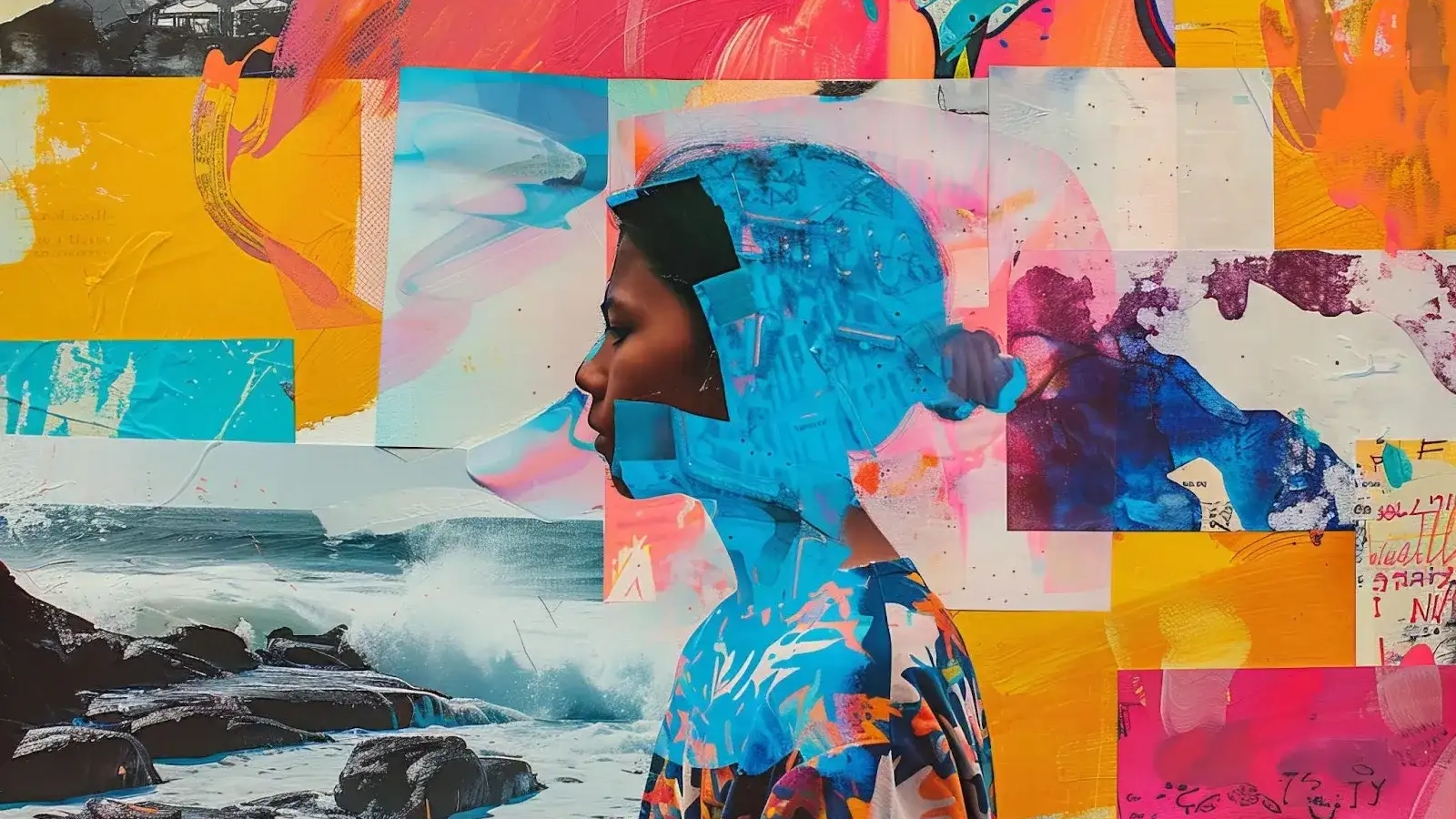
Art has never been about following strict rules, but some forms take rebellion to a beautiful new level. Mixed media art is a visual art form that combines a variety of different media into a single artwork.
Instead of sticking to just oil paint or pencil, an artist might layer newspaper clippings over a watercolour wash or glue fabric onto a painted canvas.
It is a technique that invites you to play with materials and ignore the boundaries between different disciplines. In this guide, we will explore the history, definitions, and mixed media art examples you need to understand this versatile genre.
What Is Mixed Media Art?
Mixed media art refers to any artwork where more than one medium has been employed to create the final piece. If you draw with ink on top of an acrylic painting, you have created mixed media.
It is important not to confuse this with “multimedia art”. While they sound similar, multimedia typically involves non-visual elements like recorded sound, video, animation, or interactivity.
Mixed media is generally strictly physical and visual, involving materials you can touch and see on a canvas or sculpture.
The philosophy behind this art form is pure freedom. It allows the artist to choose whichever material best conveys their message, regardless of tradition or expectation.
The History: How Picasso Broke The Rules
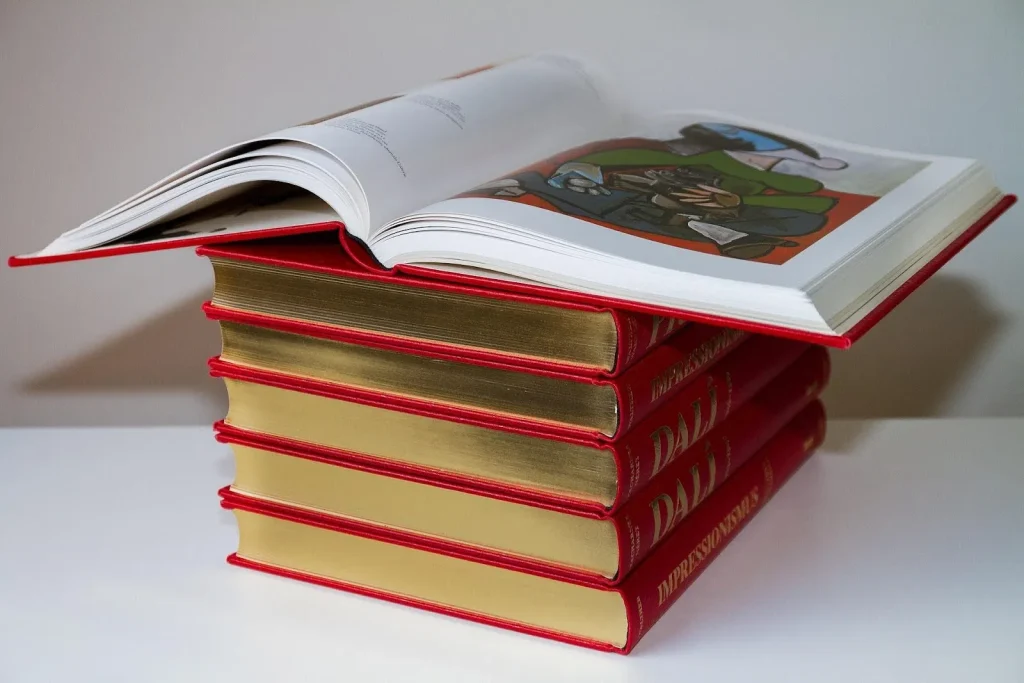
This creative revolution began when artists decided that traditional paint was no longer enough to express their reality. The origins of mixed media art are widely traced back to the Cubist movement around 1912.
Pablo Picasso and Georges Braque are credited as the pioneers who legitimised this technique.
Picasso’s piece Still Life with Chair Caning is often cited as a pivotal moment in art history. He incorporated oilcloth and rope into his painting, effectively blurring the line between “high art” and everyday objects.
Since those early days, the style has evolved through movements like Dadaism and Surrealism. Today, it remains a favourite approach for contemporary artists who wish to challenge our perceptions of what art can be.
5 Popular Mixed Media Art Examples And Types
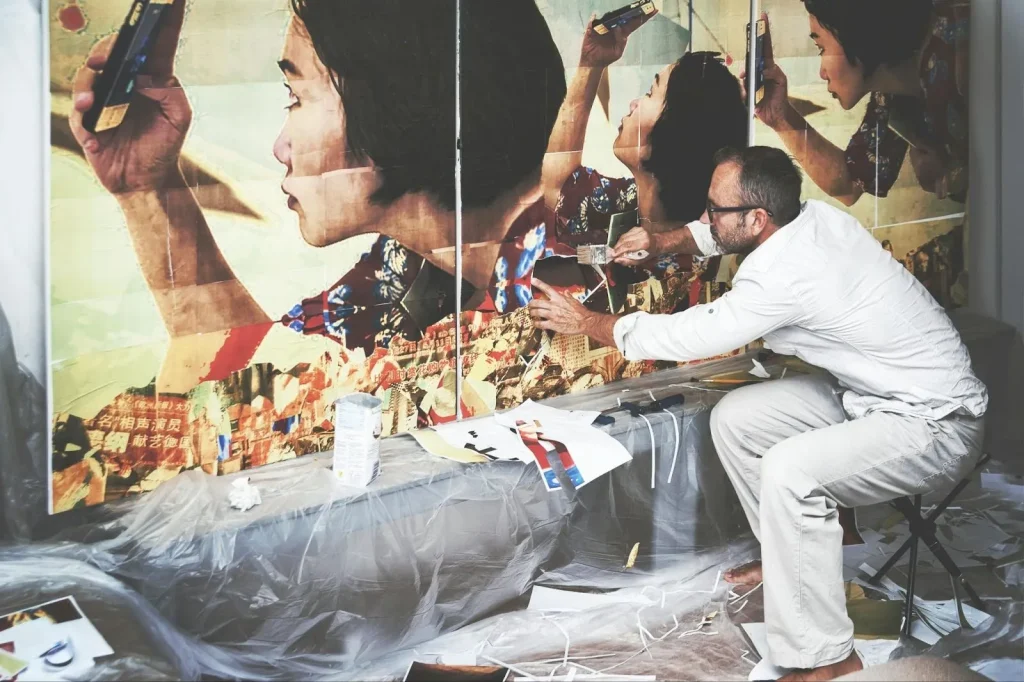
Because the definition is so broad, this art form appears in many different shapes and sizes. Here are five distinct types and mixed media art examples that showcase the versatility of the medium.
1. Collage (The 2D Pioneer)
Collage comes from the French word coller, which means “to glue”. This is perhaps the most recognisable form of mixed media.
It involves attaching flat materials like photographs, coloured paper, and magazine clippings onto a backing surface. The result is a new image composed of disparate parts, often creating a surreal or layered effect.
2. Assemblage (The 3D Composition)
If collage is two-dimensional, assemblage is its three-dimensional counterpart. These works are often freestanding sculptures or relief pieces that project from the wall.
Artists create assemblage by grouping together non-art objects, such as scraps of wood, metal, or old toys. It is about building a composition from things that already exist in the world.
3. Found Object Art (Readymades)
Found object art takes an ordinary item and modifies it to become a piece of art. The artist selects an object that was not originally intended for artistic functions and presents it in a new context.
A famous historical example is Marcel Duchamp’s Bicycle Wheel, where he simply mounted a bicycle wheel onto a wooden stool.
4. Altered Books
This is a specific and intimate form of mixed media where a book serves as the canvas. The artist takes an existing book and paints, cuts, folds, or glues the pages to transform it.
The book becomes a sculptural object or a visual narrative that interacts with the original text.
5. Digital Mixed Media (The Modern Gap)
We are seeing a rise in mixed media art that bridges the gap between the analogue and the digital. This involves merging traditional sketching or painting with digital arts.
An artist might scan a watercolour painting and manipulate it in software like Photoshop. They might also print digital designs onto a canvas and then paint over them by hand.
Understanding The Materials: Wet Vs. Dry Media
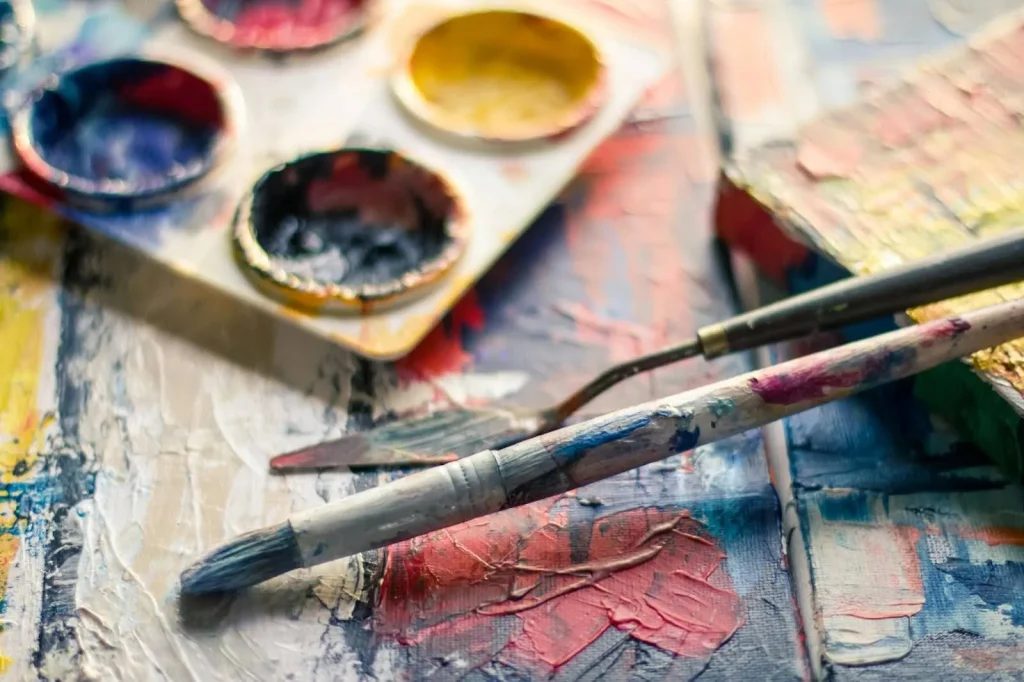
Creating these works often comes down to understanding the interaction between two categories of materials. What is mixed media art if not the successful marriage of wet and dry ingredients?
Wet media includes anything that is applied in a liquid state. This covers materials like acrylic paints, watercolours, inks, and markers.
Dry media refers to materials that are applied directly without liquid. Common examples include graphite pencils, charcoal, pastels, and crayons.
The magic happens when these two interact on the page. For instance, using an oil pastel (dry) to resist a wash of watercolour (wet) creates texture and depth that a single medium cannot achieve.
Sustainability And Eco-Art: The Modern Approach
Mixed media has become a primary vehicle for sustainable art practices in the modern world. Upcycling is a natural fit for this genre because it encourages the use of non-traditional materials.
Artists are increasingly turning trash into treasure by using discarded plastic, scrap metal, and old packaging in their work. It allows creators to make powerful environmental statements while reducing waste.
This also makes it one of the most accessible art forms for beginners. You do not need expensive supplies to start; you often just need to look in your recycling bin.
Why Is Mixed Media Art Important Today?
Breaking The Pressure Of Perfectionism
This art form remains relevant because it perfectly mirrors the complexity of our modern lives. It breaks the pressure of perfectionism that often comes with traditional fine art.
Art Therapy And Personal Expression
The layered nature of the medium allows for constant revision and covering up of “mistakes”. This has made it incredibly popular for art therapy and personal expression.
The Rise Of Art Journaling
We see this popularity in the rise of “Art Journaling”. Many people use mixed media to document their daily lives, combining receipts, tickets, and sketches into a visual diary that captures the feeling of a moment.
Conclusion About Mixed Media Arts
Mixed media art defines itself by a lack of limitations. You use your vision to combine materials in new and exciting ways. This medium proves that art is about expression rather than strict rules.
Art Pazionate is here to celebrate your unique artistic expression. We provide personalized attention and curated programs, from a kids art class to advanced workshops, to empower you to create anything you have in mind. Our team is excited to journey with you to achieve your art goals.
Contact us today to discover your creative potential!
Frequently Asked Questions About Mixed Media Arts
What Is The Difference Between Mixed Media And Multimedia?
Mixed media refers to combining physical visual materials like paint and paper. Multimedia usually includes non-visual elements such as sound, video, or digital interactivity.
Do I Need Expensive Supplies To Start Mixed Media Art?
No, you can easily start with materials found around your home. Recycled cardboard, old magazines, and a basic glue stick are perfect for beginners.
Can I Mix Oil Paint With Acrylic Paint?
You can paint oil over acrylics once they are dry, but never the other way around. Acrylic paint will not stick to oil surfaces and will eventually peel off.
Is Digital Art Considered Mixed Media?
Yes, if it is combined with traditional physical methods. For example, printing a digital design on canvas and painting over it creates a digital mixed media piece.
What Is The Best Glue To Use For Collage?
A clear acrylic gel medium is the gold standard for durability and texture. For simple paper projects, a standard glue stick or PVA glue works well enough.
How Do I Seal My Mixed Media Artwork?
Use a spray varnish or a clear acrylic sealer to protect your work. This prevents paper from yellowing and protects different layers from dust and moisture.